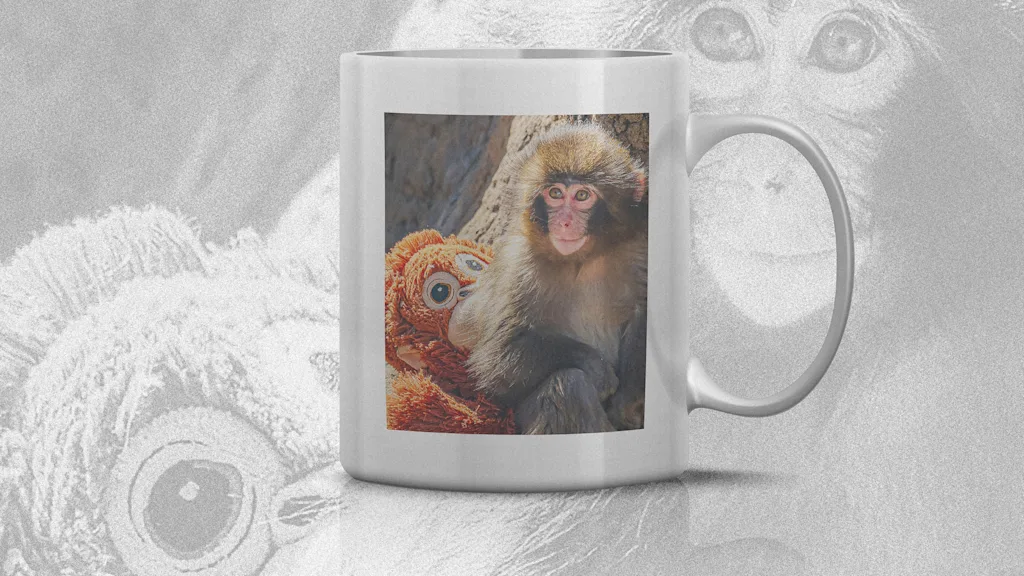
E-commerce sellers have rapidly mobilized to monetize the viral fame of Punch, a baby macaque from Japan's Ichikawa City Zoo, demonstrating the lightning speed of the modern digital economy. Following a viral video that showed the young monkey hugging a stuffed orangutan after being rejected by his peers, platforms like Etsy and Amazon have been flooded with merchandise capitalizing on the emotional narrative.
The Speed of Viral Commerce
The transition from a heartwarming social media moment to a commoditized product line occurred almost instantly. Independent sellers on the handmade marketplace Etsy have already listed a variety of themed items, ranging from toys to apparel. Simultaneously, Amazon has seen the listing of a children's book featuring the pair, which industry observers suggest may be generated by Artificial Intelligence to capitalize on the trend's peak relevance.
Beyond third-party marketplaces, an "official" Punch Monkey store has emerged, offering branded products such as stickers, shirts, and mugs. Some of these items feature inspirational slogans like "Small, but brave," directly leveraging the emotional context of the original video footage to drive sales.
Ikea's Strategic Response
The viral phenomenon has inadvertently benefited the Swedish furniture giant Ikea. The stuffed toy featured in the video is identified as the Djungelskog soft toy, a product currently available in Ikea's inventory for $19.99. Unlike passive beneficiaries of viral trends, Ikea has actively engaged with the moment, releasing an advertisement based on Punch and sharing it across its official social media channels to boost visibility for the specific product line.
My Take
The commercialization of Punch the monkey highlights the extreme efficiency of the "meme-to-market" pipeline in 2026. With print-on-demand services and AI content generation, sellers can now launch products within hours of a trend breaking, rather than weeks. While this offers immense opportunity for digital entrepreneurs, it also raises questions about intellectual property and the ethics of monetizing public domain viral content. For brands like Ikea, however, this represents the holy grail of marketing: organic, user-generated content that drives direct sales of an existing SKU without the need for a planned campaign.
This article was written by AI from reporting by fastcompany.com.