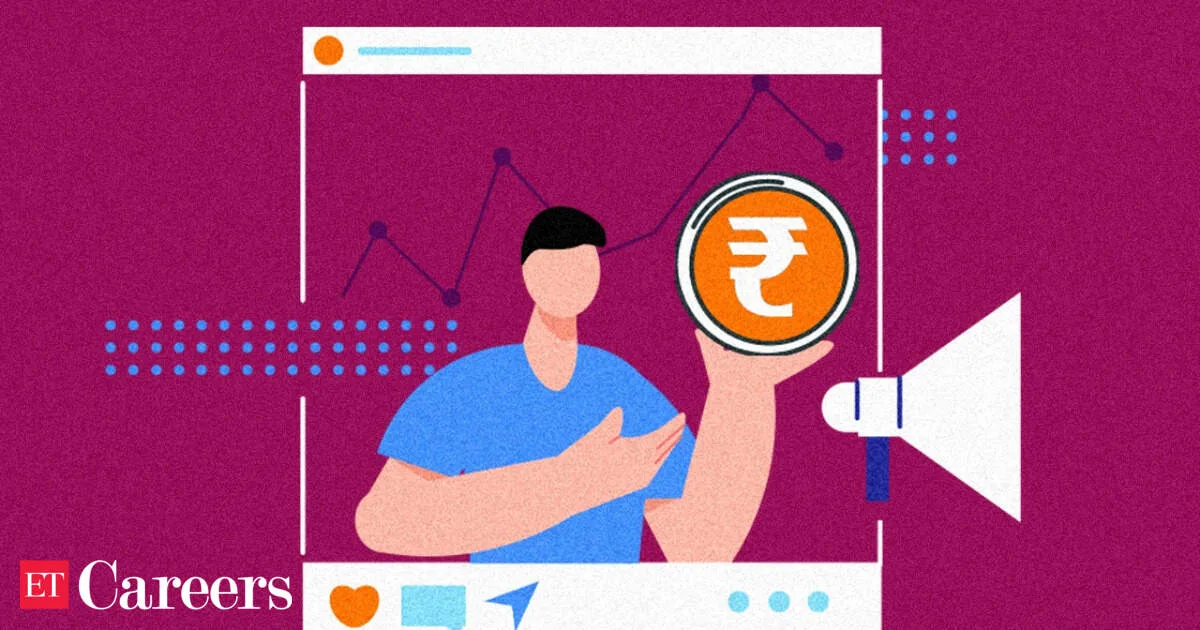
The era of the freelance influencer is rapidly evolving into a structured corporate mandate. Companies are no longer satisfied with one-off sponsored posts and unpredictable engagement metrics; instead, they are aggressively hiring in-house content creators to control brand messaging and ensure strict accountability. This structural shift marks a fundamental maturation in digital marketing, transforming content creation from a gig-based side hustle into a core organizational function.
This development is critical for digital marketers, agency recruiters, and independent creators navigating the modern digital business landscape. For creators, it signals a transition toward stable, salaried roles with measurable key performance indicators (KPIs). For brands, it represents a strategic pivot from renting external audiences to building robust, owned media engines that drive long-term equity.
Recent data from Indeed highlights the sheer scale of this transformation. The share of job postings in India requiring content creation skills - encompassing roles like content creators, influencers, and related social media positions - skyrocketed by 919% between 2020 and early 2026. What was once a negligible fraction of marketing recruitment has now become a dominant force in the industry.
When a creator represents your brand, trust is your biggest asset and your biggest risk. That’s why companies are moving fast to bring creators in-house. Our data shows a massive surge in formal creator roles because employers aren’t just looking for reach anymore; they’re looking for accountability.
- Saumitra R Chand, Career Expert, Indeed
The integration of these roles is accelerating at an unprecedented pace. In 2020, creator-related positions accounted for roughly 1 in every 1,000 marketing jobs on Indeed’s platform. By early 2026, that ratio had dramatically narrowed to nearly 1 in every 100 marketing jobs. This data points to a broader industry consensus: project-based collaborations are being replaced by deeply embedded hiring models.
The Anatomy of the Modern Creator Role
As the creator ecosystem gains formal recognition within national policy frameworks, the types of jobs being offered have significantly diversified. Companies are no longer just looking for a charismatic face; they are building comprehensive internal media teams.
According to Indeed's analysis of job postings between March 2025 and February 2026, the demand breaks down into specific structural roles:
- Formal Influencer Positions (40%): Roles dedicated to acting as the primary, in-house face of a brand across social platforms.
- Marketing Executive Roles (20%): Hybrid positions blending traditional marketing strategy with native content production.
- Marketing Internships (17%): Entry-level pipelines designed to cultivate native digital talent from the ground up.
- Production & Community Management (23%): The remaining openings span video production, community management, and content operations, proving that brands are investing in the infrastructure behind the camera.
This formalization is providing much-needed stability for the talent pool. Eshaanya Maheshwari, a content creator with 1.6 million followers on Instagram, noted that greater recognition of creators and recent policy developments have increased clarity around how the ecosystem functions, ultimately making long-term career planning easier.
However, this stability comes with heightened corporate expectations. Rohan Sylvester, talent strategy advisor at Indeed India, explained that as creators move into formal organizations, expectations are shifting toward measurable outcomes, "whether that is audience engagement, conversion, or brand consistency."
The Rented Audience vs. Owned Media Paradigm
The 919% surge in creator hiring is not just a statistical anomaly; it is a direct response to rising customer acquisition costs (CAC) and the volatility of algorithmic reach. For years, brands relied on external influencers to tap into niche communities. However, as platform algorithms became increasingly unpredictable and influencer rates soared, the return on ad spend (ROAS) for traditional sponsorships began to diminish.
By bringing talent in-house, companies are effectively hedging against algorithmic risk. An in-house creator does not just generate fleeting impressions; they build a proprietary audience that the brand actually owns. This shift also drastically reduces brand safety risks. When a creator is a full-time employee bound by corporate guidelines, the likelihood of a PR crisis stemming from off-brand behavior drops significantly.
Ultimately, this data from Indeed serves as a leading indicator for the global digital economy. The brands that will dominate the next decade of social commerce are those that stop treating content creation as an outsourced commodity and start treating it as a core pillar of their internal marketing infrastructure.
This article was written by AI from reporting by economictimes.indiatimes.com.