Google is officially launching Chrome for ARM64 Linux devices in Q2 2026, expanding its browser ecosystem to support the latest generation of power-efficient computers. This upcoming release bridges a critical software gap for tech enthusiasts and developers running Linux on modern ARM-based hardware. By delivering a fully optimized native client, Google is ensuring its dominant browser remains the standard across all emerging computing architectures.
Designed specifically for power users and AI researchers transitioning to ARM architecture, this native release eliminates the reliance on alternative browsers or emulation layers. It enables users to maintain seamless cross-platform synchronization of their daily workflows, ensuring that bookmarks, history, and web apps perform flawlessly on their new machines. For developers migrating from x86 systems or Windows on ARM, this update removes a major friction point in adopting Linux as a primary daily driver.
The transition to 64-bit ARM chips has revolutionized the laptop market, offering unprecedented battery life and performance. While Google previously extended native Chrome support to Windows on ARM back in 2024, Linux users were left waiting for an official solution. Starting next quarter, the ARM64 Linux build will deliver the exact same full-blown desktop experience found on other major operating systems.
Users can expect complete parity with the standard x86 version of the browser. This includes full support for the Chrome Web Store extensions, seamless Google Pay integration, and built-in access to the Google Password Manager. For users deeply entrenched in the Google ecosystem, the ability to sync data effortlessly across all devices provides a compelling reason to adopt the official client over existing open-source Linux alternatives.
Hardware Integration and the NVIDIA Partnership
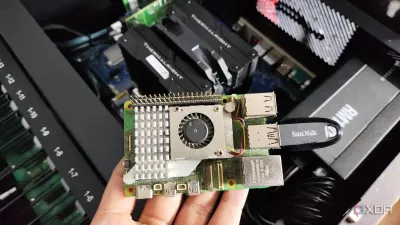
While the primary target for this release includes users running Linux on new Snapdragon-equipped laptops, Google is also targeting the high-end desktop market. The company has announced a strategic partnership with NVIDIA to streamline the installation of Chrome on the DGX Spark personal AI desktop computer. This collaboration ensures that the browser runs flawlessly on specialized, high-performance hardware.
Priced at a premium $4,700, the DGX Spark is aimed squarely at AI developers and data scientists who require massive local compute power. By ensuring Chrome is optimized and easily installable on this high-end ARM-based workstation, Google is positioning its browser as the default web interface for enterprise-grade AI development environments. This move highlights the growing importance of web-based tools in modern machine learning workflows.
My Take
The arrival of native Chrome for ARM64 Linux in Q2 2026 is a massive validation of ARM's growing dominance in the PC space. By partnering directly with NVIDIA for the $4,700 DGX Spark, Google is signaling that ARM Linux is no longer just a niche hobbyist platform; it is rapidly becoming the standard environment for serious AI development. As Snapdragon laptops continue to capture market share, delivering tier-one native applications like Chrome is absolutely essential to prevent users from defaulting back to Windows.
Frequently Asked Questions
When will Chrome be available for ARM64 Linux?
Google has confirmed that the native ARM64 Linux release will arrive sometime in the second quarter (Q2) of 2026.
Will the Linux version support Chrome extensions?
Yes, the ARM64 Linux build will feature full support for extensions, Google Pay, and the Google Password Manager, matching the experience on other platforms.
What hardware is this designed for?
It is optimized for 64-bit ARM computers, including new Snapdragon-equipped laptops and high-end workstations like the NVIDIA DGX Spark.