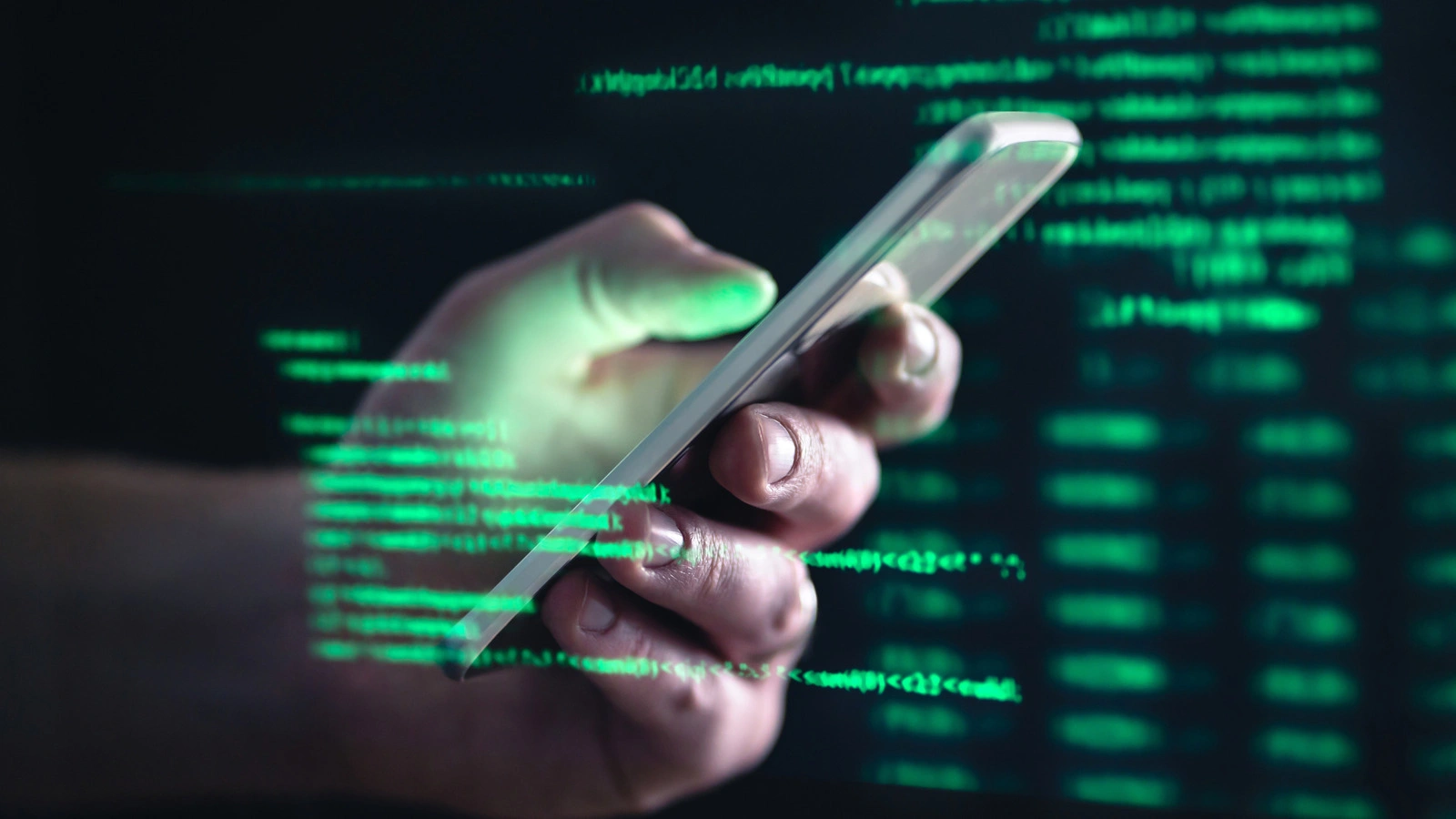
A sophisticated Microsoft tech support scam came to a dramatic halt this week when Nassau County Police arrested 23-year-old Xueyu Luo in a coordinated sting operation. Luo, who allegedly posed as a Microsoft employee, attempted to defraud a victim by claiming their computer and financial accounts were severely compromised. Instead of securing a massive payday, the suspect walked directly into a trap set by law enforcement, highlighting the growing danger of hybrid cyber-physical fraud schemes.
The Anatomy of the 'Phantom Hacker' Scheme
This incident follows a troubling pattern known in the cybersecurity industry as the "Phantom Hacker" or "Courier" scam. Typically, these frauds begin with an alarming pop-up on the victim's computer screen, warning of a virus or a suspicious transaction. The pop-up urges the user to call a support number immediately. Once connected, the scammerposing as a support agent for a major tech firm like Microsoft or Appleconvinces the victim that their bank accounts are at risk of being drained by hackers.
In Luo's case, the narrative likely escalated to a point where the victim was instructed to withdraw physical assets, such as cash or gold bars, to "protect" their wealth. The scammer then arranges for a "secure courier" (in this instance, allegedly Luo) to pick up the assets for safekeeping. This transition from digital deception to physical theft marks a dangerous evolution in social engineering tactics, leveraging fear to bypass traditional banking safeguards.
The Sting: Turning the Tables
The attempted grand larceny failed because the intended victim recognized the red flags before handing over the assets. Upon suspecting foul play, the victim contacted the police, who instructed them to play along with the scammer's demands. A meeting was arranged for the handover of the funds.
When Luo arrived at the agreed-upon location expecting to collect the money, he was met by detectives instead. He was subsequently charged with attempted grand larceny. This successful operation underscores the critical importance of skepticism and the effectiveness of reporting suspicious activity immediately to local authorities rather than engaging with the aggressor alone.
How to Distinguish Real Support from Scammers
Microsoft has repeatedly issued warnings that they do not send unsolicited email messages or make unsolicited phone calls to request personal or financial information. Technical support scams often rely on creating a sense of urgency. If a caller demands immediate payment via cryptocurrency, gift cards, or physical cash handovers, it is a definitive sign of fraud.
| Feature | Official Microsoft Support | Tech Support Scammer |
|---|---|---|
| Initiation | User initiates contact via official channels. | Unsolicited call or browser pop-up. |
| Payment Method | Credit card via secure portal (if applicable). | Gift cards, Crypto, Cash, or Wire Transfer. |
| Access Request | Asked only after verification. | Demanded immediately to "fix" the PC. |
| Urgency | Professional and patient. | Aggressive, threatening data loss or arrest. |
Frequently Asked Questions
What should I do if I see a Microsoft support pop-up?
Do not click any links or call the number on the screen. Force close your browser immediately. If the pop-up persists, restart your computer. Microsoft does not send pop-up warnings with phone numbers.
Can a scammer really hack my bank account just by calling me?
No, they cannot hack you just by calling. However, if you grant them remote access to your computer or read out 2FA codes, they can gain control of your accounts. Never share authentication codes.
How do I report a fake Microsoft employee?
Report the incident to Microsoft's official fraud reporting page and file a complaint with your local law enforcement or the FBI's Internet Crime Complaint Center (IC3).
My Take: The Human Firewall is Critical
The arrest of Xueyu Luo is a victory, but it is merely a symptom of a larger epidemic. As technical defenses improve, criminals are reverting to hacking the human mind rather than the machine. The shift toward physical couriers collecting cash indicates that digital money trails are becoming harder for scammers to hide. The best defense remains a "Zero Trust" mindset: verify every unsolicited contact, no matter how authoritative they sound.
This article was written by AI from reporting by slashgear.com.