Elon Musk has quietly acquired APR Energy, a fossil fuel power company operating a massive fleet of mobile gas and diesel turbines, to feed the massive electricity demands of xAI’s Grok. The billion-dollar transaction marks a stark departure from Musk's long-standing public commitment to a solar-electric economy, pivoting instead to rapid-deployment combustion engines to bypass grid interconnection delays.
The Billion-Dollar Gas Turbine Deal
The acquisition bypassed public announcements, surfacing only through a Federal Trade Commission early termination notice (transaction number 20261350) dated May 14, 2026. Financial disclosures indicate the deal's implied value exceeds $1 billion, calculated after a minority stakeholder received approximately $50.4 million for a 5% share. Musk purchased the Jacksonville-based company from Fortress Investment Group, which had acquired the assets in late 2024 under the name New APR Energy LLC.
APR Energy specializes in trailer-mounted gas turbines and reciprocating diesel engines that can reach full power in under 10 minutes. This mobile infrastructure provides xAI with over 1 GW of generation capacity that can be installed in days, entirely circumventing the years-long permitting process required for fixed power plants.
Memphis Supercomputers and the Clean Air Lawsuit
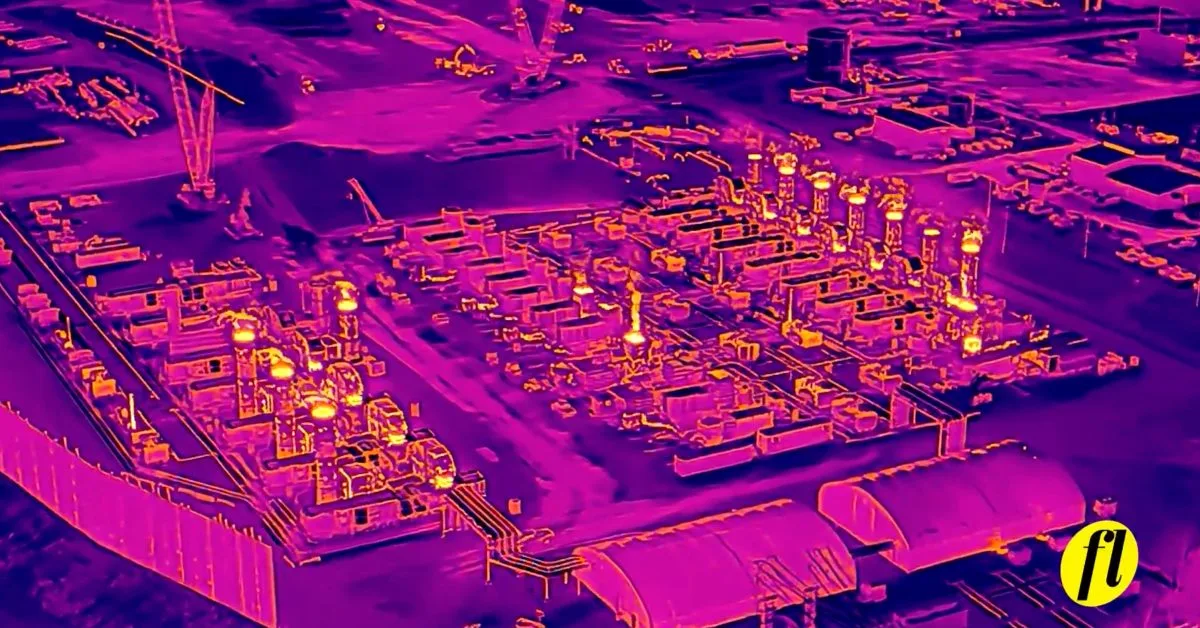
The APR Energy hardware is directly fueling xAI’s Colossus and Colossus 2 supercomputers in Memphis, Tennessee. The facility has already drawn intense legal scrutiny after xAI installed up to 35 unpermitted gas turbines. Environmental groups, including the NAACP, the Southern Environmental Law Center, and Earthjustice, filed a lawsuit under the Clean Air Act, warning that the units could emit over 2,000 tons of smog-forming nitrogen oxides.
The emissions disproportionately impact Boxtown, a predominantly Black neighborhood near the facility where the cancer risk is already four times the national average. Despite the environmental backlash, the Department of Justice recently intervened to keep the Memphis turbines operational, citing "national, economic, and energy security." xAI executives have confirmed plans to "copy and paste" this exact turbine strategy for the Colossus 2 expansion.
The Compute Demand Behind Grok
The massive energy expenditure is primarily supporting Grok's most resource-intensive use cases. Recent investigations and reports from former xAI employees reveal that well over half of Grok’s current traffic is driven by adult content generation. This includes sexually explicit AI companion chats and avatars like the anime-styled "Ani," alongside unmoderated image generation that has sparked widespread controversy.
By purchasing APR Energy outright, Musk secures a captive, drop-in power supply to keep these compute-heavy services online without waiting for local utility upgrades.
The Megapack Contradiction
The APR Energy acquisition exposes a fundamental contradiction in Musk’s current corporate empire. If the goal was simply rapid power deployment, Tesla’s own energy storage business - which deployed a record 46.7 GWh in 2025 - offers the exact vertically integrated clean energy solution Musk has championed for 15 years. Instead of utilizing Tesla Megapacks and solar arrays to power his AI ambitions, he opted for the fastest, dirtiest alternative available.
This move effectively trades the environmental principles that built Tesla's valuation for raw compute power, signaling that in the race for AI dominance, speed has entirely eclipsed sustainability. The quiet removal of the word "sustainable" from Tesla’s mission statement last December was not just a branding tweak; it was a precursor to shipping that mission to a gas turbine fleet in Jacksonville.
This article was written by AI from reporting by electrek.co.