Network outages remain a critical vulnerability for remote workers and enterprise IT departments alike, often resulting in costly downtime when primary connections fail. To combat this, Eero has introduced a dedicated LTE backup solution for small networks, while Starlink is rapidly emerging as the ultimate disaster recovery tool for large-scale enterprise environments. This shift highlights a growing demand for internet failover systems that are completely decoupled from vulnerable ground infrastructure.
For network administrators and IT managers, integrating these satellite and cellular backup solutions ensures continuous access to mission-critical cloud services. This strategic shift guarantees operational stability even when local utility lines are severed by unforeseen accidents or natural disasters.
Eero Signal Brings LTE Backup to Remote Workers
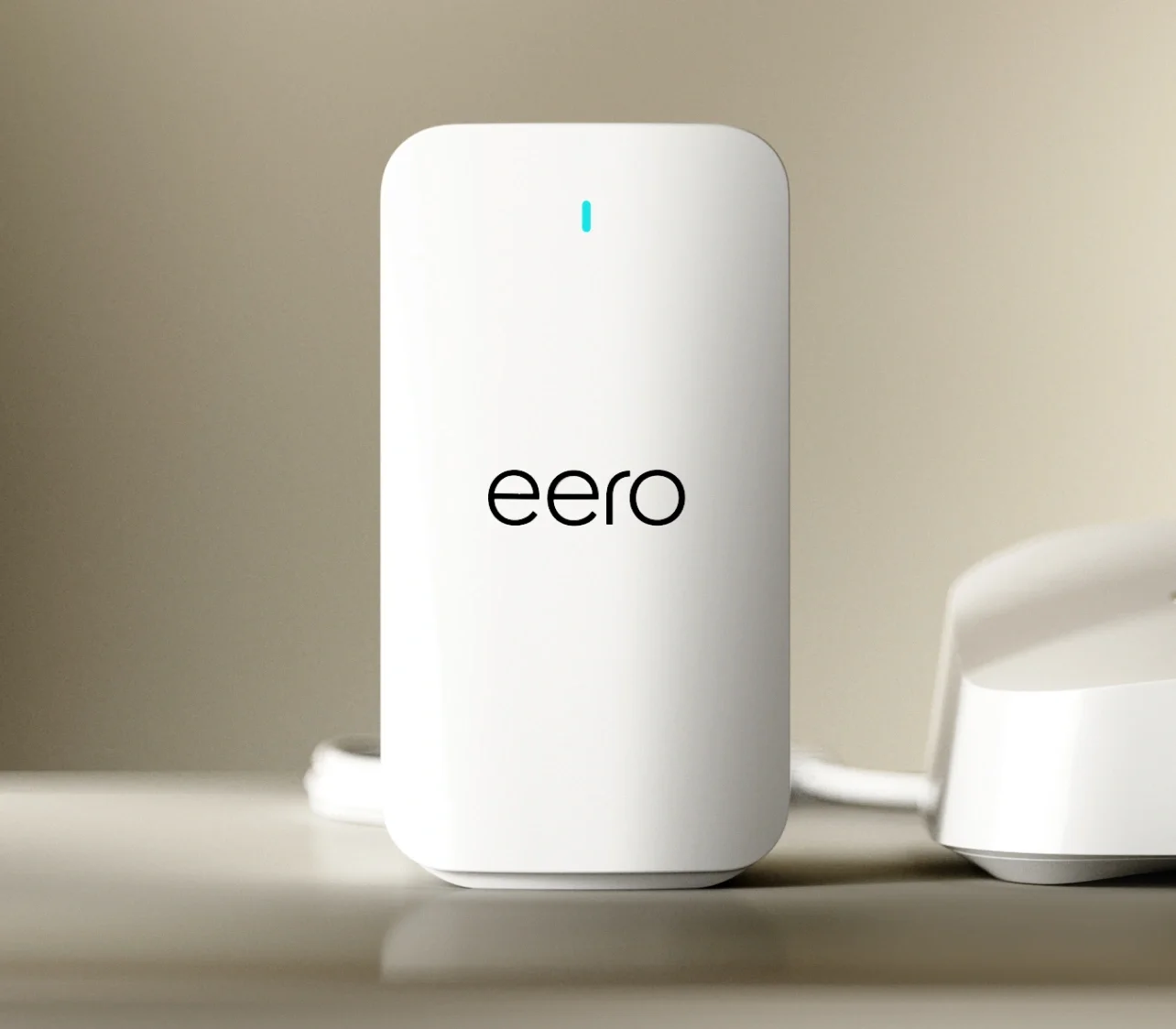
Eero recently launched the Eero Signal, a 4G LTE backup device designed to plug directly into existing Eero routers. This hardware automatically keeps homes and small businesses online during an unexpected ISP outage. The company has also confirmed that a 5G version of the device is currently in development.
Users subscribed to the Eero Plus service receive 10GB of backup bandwidth per year included with their plan. For heavier usage demands, administrators have the option to upgrade the data cap to 100GB. While currently positioned as a small-to-medium business solution, this level of automated cellular failover is setting a new baseline for remote workforce connectivity.
The Physical Flaw in Traditional Disaster Recovery
For decades, the standard IT playbook for disaster recovery involved provisioning two separate wired internet service providers. A firewall typically handles the failover routing if the primary fiber or cable connection drops. However, this traditional method contains a critical physical vulnerability that often renders it useless during major events.
Both ISPs frequently share the same utility poles or underground conduits leading into a building's main server rack. When a construction backhoe severs a fiber line or a fallen tree destroys local poles, organizations often lose both their primary and secondary connections simultaneously. This shared physical infrastructure remains the weakest link in legacy enterprise networking.
Starlink Business Decouples Failover from Ground Infrastructure
To solve the shared infrastructure problem, Starlink Business is becoming a highly accessible backup path for enterprise networks. Because the connection relies entirely on low Earth orbit satellites, it is completely isolated from the local ground hazards that threaten wired ISPs. This provides unmatched resilience for hospitals accessing electronic health records or schools maintaining digital learning resources.
Currently, Starlink speeds exceed 400 Mbps, providing sufficient bandwidth to keep essential services operational during an extended local outage. Furthermore, a dedicated gigabit service tier is scheduled to launch in 2026, which will bridge the performance gap between satellite backup and primary fiber connections.
My Take: Firewall Vendors Must Adapt to Satellite Routing
The rise of reliable satellite internet creates a massive opportunity for enterprise network security companies. Firewall vendors that build native, plug-and-play Starlink support into their appliances will capture a significant share of the disaster recovery market. The ideal firewall operating system should automatically detect a connected Starlink dish, apply the optimal configuration profile, and intelligently route mission-critical traffic over the satellite link the moment a primary fiber connection fails.
By removing the friction of manual configuration, satellite failover will transition from a niche workaround to a standard feature in every enterprise deployment. With Starlink pushing toward gigabit speeds in 2026, the bandwidth limitations of legacy satellite internet are no longer a bottleneck. The first network security vendor to make this integration truly seamless will set the new industry standard for enterprise resilience.
This article was written by AI from reporting by 9to5mac.com.