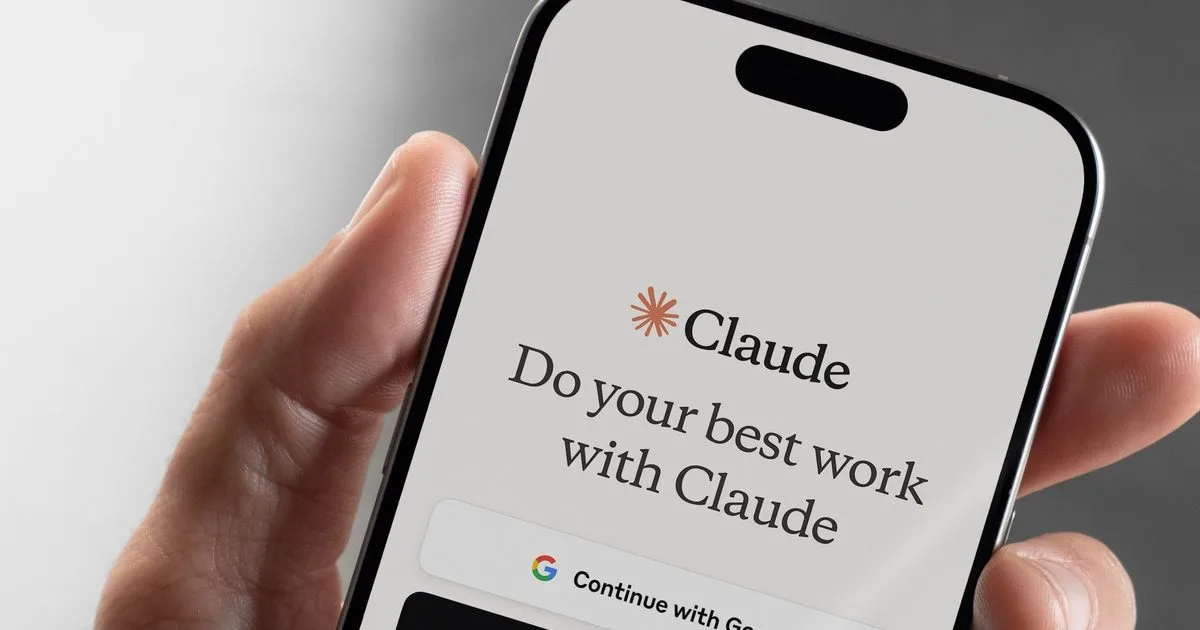
Deciding between a Claude vs ChatGPT subscription often comes down to a simple, defining question: do you want an artificial intelligence that merely answers your questions, or one that actively executes your work? For professionals and developers dealing with repetitive daily tasks, the landscape of Generative AI has fundamentally changed. What started as a curiosity has evolved into a mandatory daily driver, forcing users to weigh the comfort of familiar platforms against the raw capability of newer, more autonomous systems.
This breakdown explores why shifting to a paid subscription for Anthropic's ecosystem - specifically leveraging tools like Claude Cowork and Claude Code - is transforming how digital work gets done. Designed for power users, developers, and content creators, these tools eliminate the need for constant micromanagement. By transitioning from a conversational model to an agentic workflow, users can reclaim hours previously lost to messy file organization, manual coding loops, and overly literal prompt engineering.
How to Automate Messy Workflows with Claude Cowork
The most significant advantage of modern AI Agents is their ability to handle unstructured, chaotic data without requiring perfectly sanitized inputs. Claude Cowork operates as a background process that quietly removes low-effort, repetitive tasks from your daily schedule. Unlike traditional tools that struggle when context becomes too complex, this system thrives in the mess.
- Grant the necessary system permissions during the initial setup phase. This enables the AI to securely access and modify local files, ensuring it can execute organizational tasks without constant authorization prompts.
- Provide a single, clear prompt detailing your exact organizational requirements. This ensures the system understands the end goal, allowing it to process massive amounts of data autonomously.
- Allow the tool to run as a background process while you focus on high-level work. This enables a hands-off workflow where predictable tasks are completed without requiring your direct supervision.
The real-world impact of this automation is substantial. For example, when faced with a local directory containing nearly a thousand disorganized videos - plagued by random filenames and duplicates - users can simply hand the mess over to the AI. By providing a single set of instructions, the system autonomously scans the folder, renames files according to a logical structure, and deletes duplicates. It takes a massive, overwhelming chore completely off your plate.
How to Use Claude Code in Your Terminal
Beyond basic file management, the ecosystem introduces Claude Code, a powerful iteration designed specifically for developers. Instead of operating within a standard web browser chat window, this tool runs directly inside your command-line interface (CLI). It does not just suggest code snippets; it actively reads your files, writes code, and runs tests.
To interact with the system, you simply describe your objective in plain language directly within the terminal:
build a basic websiteOr, for more specific feature implementations:
add a login systemThis integration fundamentally tightens the development loop. You are no longer forced to copy code from a chat interface, paste it into your editor, and manually troubleshoot when the application breaks. Because the AI has full access to your project's context - including your directory structure and Git version history - its modifications are deeply grounded in your actual codebase. It can install dependencies and prepare commits, though it maintains strict safety protocols by asking for explicit permission before executing potentially destructive changes.
Mastering Nuance Without Perfect Prompts
One of the most frustrating aspects of using Large Language Models (LLMs) is their tendency to be overly literal. Often, you find yourself over-explaining every edge case just to prevent the output from going off track. Claude distinguishes itself by grasping the underlying subtext of a prompt without requiring exhaustive instructions.
If you ask the system to make a paragraph "punchier," it does not merely truncate sentences or delete adjectives. It understands that the request is about rhythm, flow, and impact. When tasked with cleaning up a rough draft, it preserves the original personality and intention rather than just applying sterile grammatical fixes. This ability to read between the lines bridges the gap between a tool you use occasionally and a collaborator you rely on daily.
The Shift Toward Autonomous AI Agents
The transition from ChatGPT to Claude highlights a broader market shift from conversational interfaces to autonomous AI Agents. Users are experiencing severe prompt fatigue; they no longer want to spend more time managing the tool than doing the actual work. The success of features like terminal integration and background file organization proves that the future of Generative AI lies in execution, not just ideation.
By granting these systems deeper access to our local environments and version control histories, we are moving toward a paradigm where AI acts as a proactive collaborator rather than a reactive encyclopedia. While no system is flawless, the consistent reliability of an AI that can navigate messy folders, understand coding context, and grasp editorial subtext is ultimately what justifies the cost of a premium subscription in today's market.