
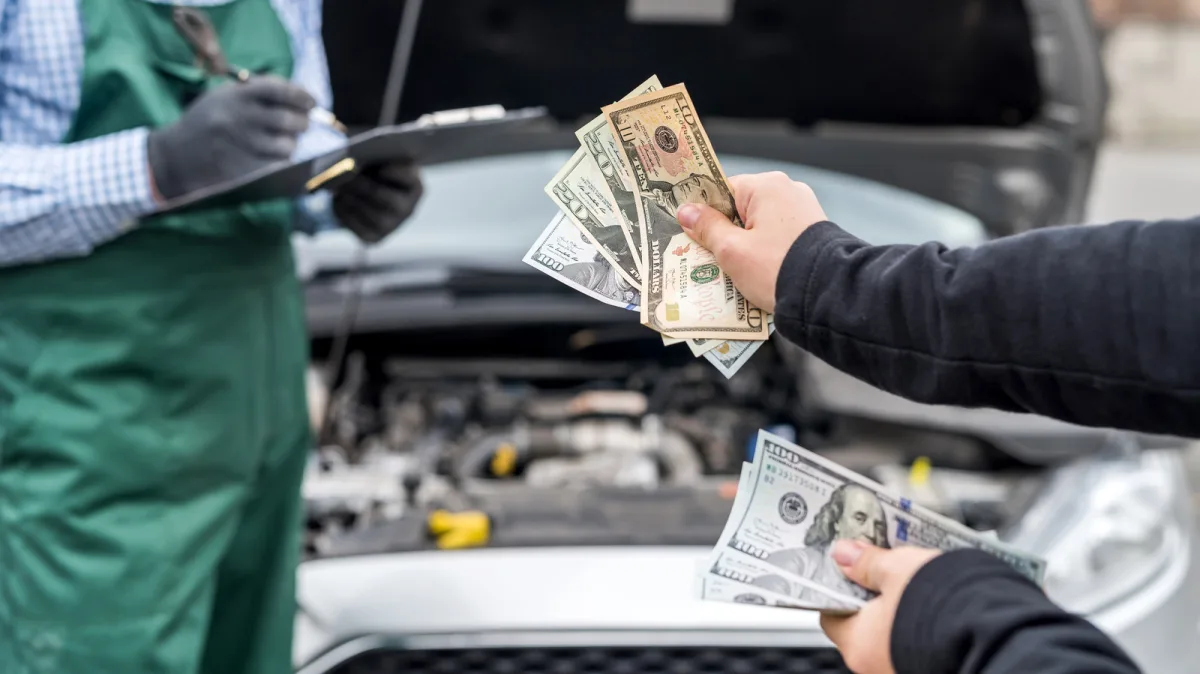
The expense of keeping a vehicle on the road has surged in recent years, outpacing broader economic inflation. According to a report by the St. Louis Federal Reserve, car repair costs have increased by 60 percent since January 2019, compared to a 32 percent rise in overall inflation during the same period. While dealership service centers traditionally charge higher rates, independent mechanics are also raising their prices to cover the specialized technology required to maintain modern vehicles.
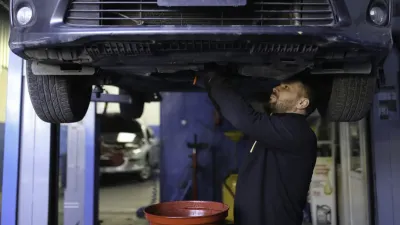
In a recent CNBC interview at Emil's All-Tire in Brooklyn, New York, owner Ralph Czeisler detailed how software requirements are driving up basic maintenance bills. For example, an oil change on a luxury vehicle that typically costs $400 now requires an additional $75 just to access the software needed to reset the oil change indicator light.
You can't just go and reset it. You have to pay for information to download to your computer, to upload to the customer's computer to reset the light. Otherwise it's never going to reset and that costs more money. And the result? I pay more money. The consumer pays more money. It's not fair. But this is how the industry practice has gone.
Ralph Czeisler, Owner, Emil's All-Tire
The high price of ADAS calibration
Modern vehicles have essentially become rolling computers. As former President Donald Trump once remarked, “Everything's computer,” a statement the Jalopnik author notes accurately describes today's cars, which are equipped with countless microprocessors and advanced driver assistance systems (ADAS). These systems rely on a complex array of cameras and sensors. While consumers demand these features, AAA data cited by CNBC indicates that ADAS can increase the cost of a collision repair by 36.7 percent.
This complexity affects routine glass replacement as well. Writing for Jalopnik, the author notes that replacing the windshield on an older farm truck cost $200 last year, whereas the same job on a Ford Transit camper van can reach $950. Beyond the price of larger glass, much of that expense goes toward recalibrating the cameras and sensors behind the windshield that control features like automatic wipers and high beams.
The equipment required for this recalibration is a major investment for independent shops. An invoice provided to CNBC by Emil's All-Tire shows that a single calibration machine costs approximately $28,000, while the necessary accompanying computer adds another $12,000. A complete array can cost up to $90,000. Furthermore, Ariella Czeisler noted that the specific target boards required to calibrate cameras for premium brands can cost hundreds or even thousands of dollars each.
Software subscriptions and tariffs
To service a wide variety of vehicles, independent shops must maintain separate diagnostic computers for American, European, and Asian brands, or even dedicated machines for specific automakers. These systems require frequent, expensive subscription updates to support new models and incorporate software changes.
Ultimately, independent shops cannot afford to absorb these mounting overhead expenses. Combined with other financial pressures like tariffs on replacement parts, the high costs of software access and calibration equipment are inevitably passed on to the consumer, making routine car ownership significantly more expensive.
This article was written by AI from reporting by foxtrotalpha.jalopnik.com.