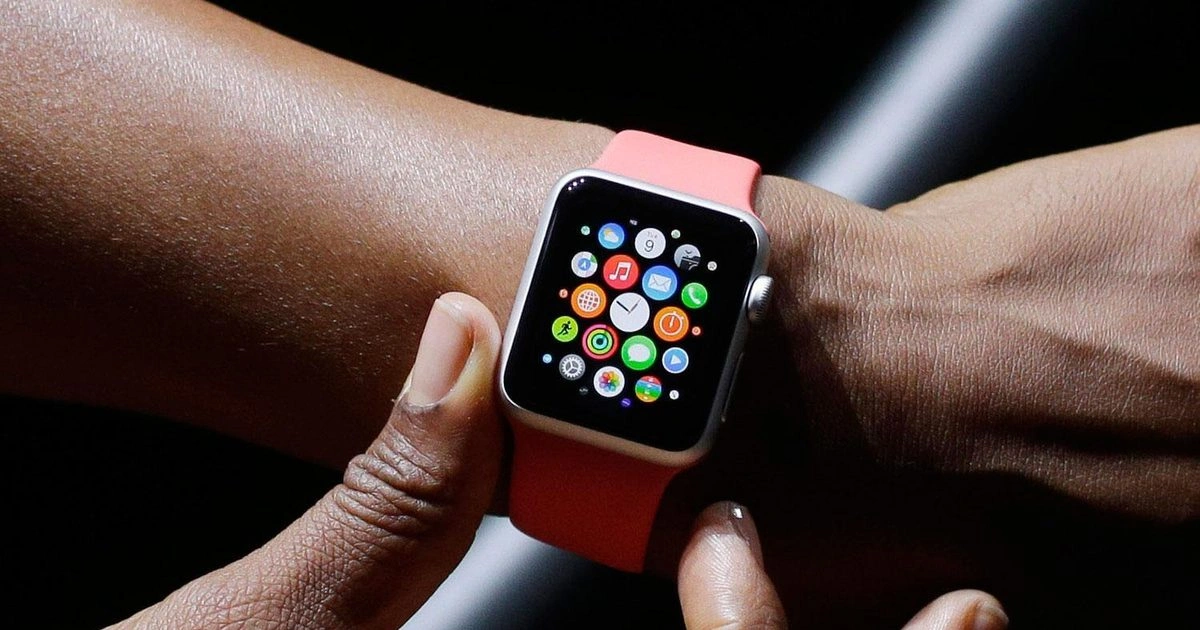
The development of an Apple Watch 3D-printed aluminum chassis could fundamentally change how the tech giant manufactures its wearable devices. According to a recent Bloomberg report, Apple is actively experimenting with advanced additive manufacturing techniques to produce aluminum components layer by layer using specialized industrial printers. For tech hardware enthusiasts and Apple ecosystem users, this shift signals a future of lighter, stronger, and more sustainably built smartwatches.
This transition from traditional subtractive machining - which cuts away large blocks of metal - to additive manufacturing allows Apple to build parts closer to their final form. By minimizing excess raw material, the company can significantly reduce production waste. This manufacturing evolution directly supports Apple's aggressive carbon-neutral goals while potentially improving the internal bonding and water resistance of the devices through complex internal textures that conventional machining cannot achieve.
Building on Titanium Success
The push toward 3D-printed aluminum is not Apple's first venture into additive manufacturing. The company has already successfully implemented this technology in recent Apple Watch models featuring titanium cases, which are produced using 3D-printed recycled metal powder. This existing success provides a proven foundation for scaling the process to the more mainstream aluminum lineup.
Future Expansion to iPhone and Mac
While the experimental manufacturing process is currently targeted at the Apple Watch casing, its implications extend far beyond wearables. If Apple successfully scales this 3D-printing technology, the Bloomberg report indicates that the process could eventually expand to other flagship products, including future iPhones and Mac computers. Although this efficiency is unlikely to result in lower retail prices for consumers, it will help Apple maintain its profit margins while integrating more advanced materials and features.
Frequently Asked Questions
Will the 3D-printed aluminum Apple Watch be cheaper?
While the new manufacturing process reduces material waste and production costs, it is unlikely to lower the retail price. Instead, Apple will likely use the savings to maintain margins and fund new features.
What are the main benefits of 3D-printed aluminum for the Apple Watch?
Additive manufacturing allows for complex internal structures that improve durability, enhance water resistance, and create lighter components while significantly reducing environmental waste.
My Take
The shift toward 3D-printed aluminum represents a critical inflection point in consumer electronics manufacturing. By testing this additive process on the Apple Watch - a high-volume, physically demanding wearable - Apple is essentially using its smartwatch lineup as a proving ground. The fact that they have already succeeded with 3D-printed recycled titanium powder proves the viability of the method. Once perfected for aluminum, the inevitable expansion to the iPhone and Mac lines will give Apple a massive logistical and environmental advantage over competitors still relying on traditional CNC machining, cementing manufacturing innovation as the true battleground for the next decade of tech.