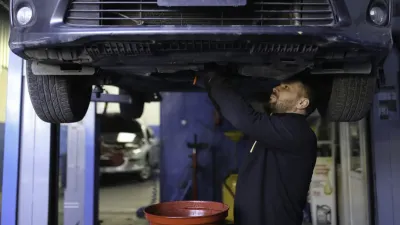
Car dealerships are aggressively targeting your next oil change as the sky-high profit margins of the pandemic era rapidly evaporate. With new vehicle inventory normalizing and sales margins compressing, auto sellers are pivoting to vehicle service and repairs to protect their bottom lines.
During the early 2020s, constrained supply allowed dealerships to command premium prices for new cars. Now, average pretax profits for public dealerships have dropped to $3.9 million in 2025, down from a pandemic peak of $6.8 million in 2022, according to Kerrigan Advisers data cited by CNBC. To offset this decline, dealerships are doubling down on their service departments, competing directly with independent chains like Jiffy Lube, Meineke, and Walmart.
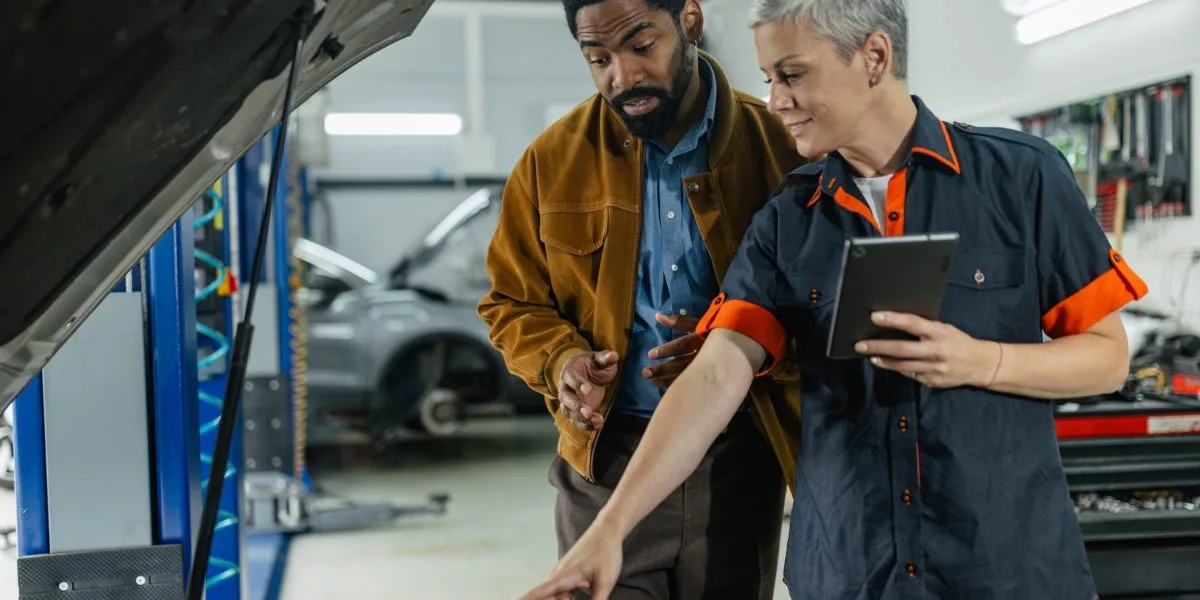
The stakes for customer retention are higher than ever. A report by consulting firm Ducker Carlisle reveals that 42% of Americans now identify independent chains as their primary service provider in 2025, a massive jump from just 20% in 2020. To win back drivers, dealerships are modernizing their approach. Tim Pohanka, executive vice president of Pohanka Nissan Hyundai, noted that his locations now offer walk-in appointments, financing options for repairs, and full-vehicle video updates for complete transparency.
The compressed margins in the core business of selling cars have singled out service as "the biggest opportunity," Pohanka explained. The data supports this strategic pivot. Over the past five years, total service and parts sales at dealerships surged by 48%, reaching $164.6 billion last year, according to the National Automobile Dealers Association.
This recurring revenue stream is becoming critical as Americans hold onto their vehicles longer. The Bureau of Transportation Statistics reports the average age of a passenger car is now 14.5 years, up from 11.5 years a decade ago. While new cars remain expensive - with Kelley Blue Book reporting an average transaction price of $49,855 at the end of July - dealerships argue their factory-trained technicians and specialized equipment justify their often higher service costs.
If you’re not engaged in the service industry, and you’re relying only on sales, then you’re really setting yourself up for a potential problem if something goes wrong.
- Tim Pohanka, Pohanka Nissan Hyundai
The Hidden Cost of Dealership Loyalty
The aggressive push by dealerships to capture routine maintenance revenue highlights a fundamental shift in automotive retail economics. As the average vehicle lifespan stretches to 14.5 years, the real profit engine for the auto industry is no longer the showroom floor, but the service bay. Dealerships are realizing that a one-time vehicle sale is far less valuable than a decade of recurring repair revenue.
However, dealerships face an uphill battle against independent shops that have already captured nearly half the market through convenience and lower pricing. If dealerships want to convert one-time buyers into lifelong service customers, they must bridge a significant trust gap. Video updates and flexible financing are a strong start, but unless they can competitively price routine services like oil changes and tire rotations, consumers will continue to bypass the dealership lot for the local independent mechanic.