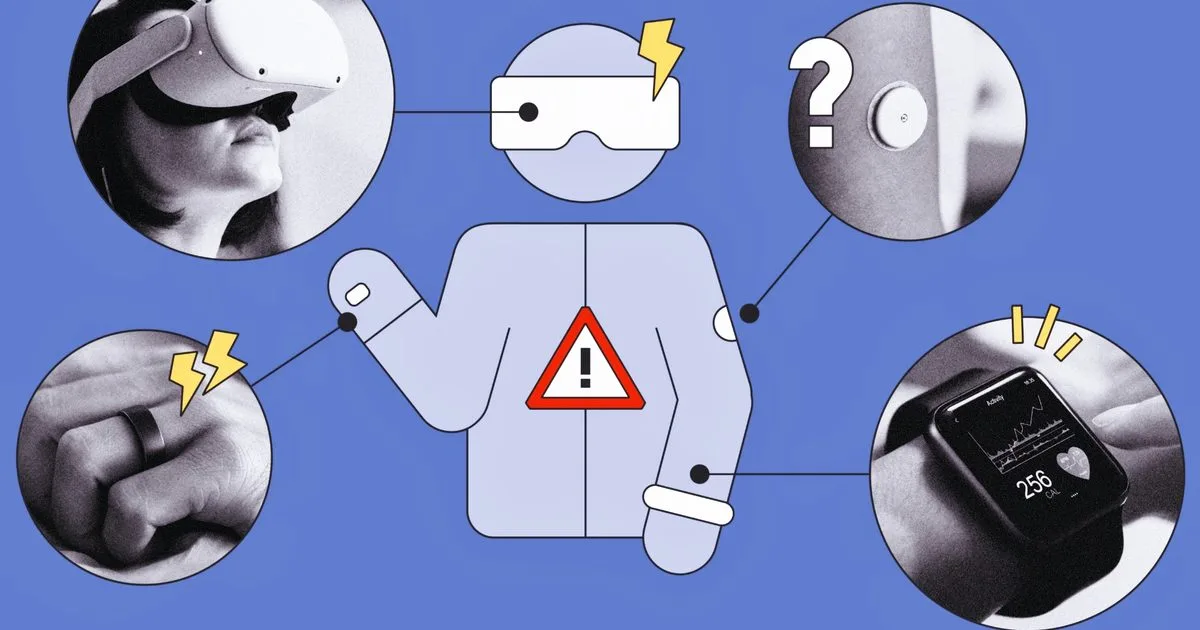
Hackers are no longer just targeting your passwords; they are targeting your physical safety through wearable device hacking. New research from CISPA reveals that vulnerabilities in wearable technology and smart garments could allow malicious actors to inflict actual bodily harm, manipulate emotions, and execute a terrifying new threat described by experts as "ransomware for the body."
Doctoral researcher Daniel Gerhardt recently published a paper detailing the severe privacy and security risks associated with on-body interaction techniques. Because smartwatches, smart glasses, and connected garments sit directly on the skin and harvest intimate biometric data, the potential for exploitation far exceeds traditional computer malware. The study, presented at the ACM CHI Conference on Human Factors in Computing Systems, highlights that compromised devices could easily be weaponized.
The most alarming finding centers on direct physical risk. According to the research, a hacker could theoretically take control of a smart jacket's heating elements to cause severe burns. Beyond physical injury, the research outlines psychological risks, noting that immersive systems could be hijacked to induce stress or force users into manipulative, unwanted experiences. Furthermore, these devices constantly capture environmental data, posing a severe privacy threat to bystanders who are recorded without their consent.
Design Guidelines for Safer Wearables
To combat these emerging threats before they become widespread, Gerhardt developed eight design guidelines aimed at helping researchers and hardware manufacturers build safer wearables from the ground up. The core recommendations include:
- Minimize Data Collection: Limit the biometric and environmental data harvested to only what is strictly necessary for the device's core function.
- Improve User Transparency: Provide clear, accessible insights into exactly what data is being recorded and how it is utilized.
- Strengthen Hardware and Software Security: Build robust security protocols to prevent unauthorized remote access to physical components.
The Shift from Digital Extortion to Physical Harm
The concept of "ransomware for the body" fundamentally changes the cybersecurity landscape. Traditional ransomware locks users out of their files, resulting in financial loss or operational downtime. However, when a hacker can threaten to overheat a garment or manipulate a medical wearable unless a ransom is paid, the stakes escalate from financial damage to physical survival.
This evolution means that consumer protection agencies and health regulators will soon need to classify smart garments and advanced wearables under the same rigorous safety standards as medical devices. If manufacturers do not proactively adopt the CISPA guidelines, the industry is on a collision course with severe regulatory crackdowns the moment the first physical hacking injury occurs.