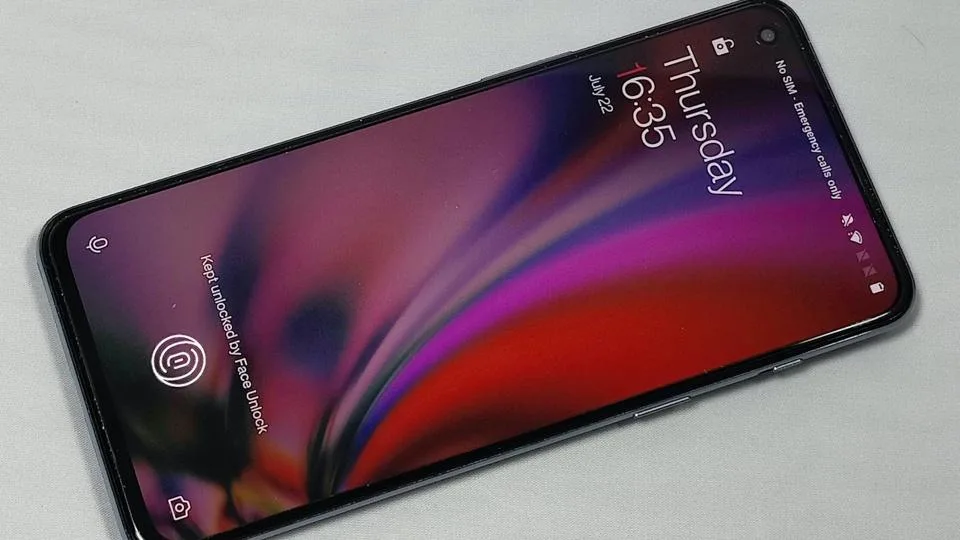
A newly discovered security vulnerability is allowing attackers to bypass the lock screen on millions of Android devices in under a minute. Tracked as CVE-2026-20435, this critical flaw targets smartphones powered by specific MediaTek processors, granting unauthorized users full access to encrypted storage, personal photos, and cryptocurrency wallets. This exploit primarily threatens users of budget and mid-range Android phones who rely on standard PINs or passwords for device security.
If a vulnerable device is lost, stolen, or even temporarily confiscated, malicious actors can extract highly sensitive financial and personal data before the operating system fully boots. The discovery highlights a severe gap in hardware-level security, proving that a physical lock screen is not an impenetrable barrier against sophisticated extraction methods.
The Trustonic TEE Exploit Explained
According to a recent Fox News report, the vulnerability lies within the Trustonic Trusted Execution Environment (TEE) used by MediaTek chips. The TEE is designed to isolate sensitive data, such as encryption keys, from the rest of the operating system. This isolation is meant to keep the device secure even if the primary operating system is compromised.
However, security researchers discovered that by connecting the target phone to a computer via a USB cable, an attacker with physical access can exploit the boot process. This allows them to intercept the encryption keys before the device's full security measures are activated. It is essentially the digital equivalent of grabbing the master key before the vault door fully locks.
Once the keys are compromised, the attacker can bypass the PIN requirement entirely. This grants them unrestricted access to the device's encrypted storage, making it possible to permanently drain cryptocurrency wallets by extracting recovery phrases. Because the attack requires a physical USB connection, it cannot be executed remotely over the internet.
How to Check if Your Android Phone is Vulnerable
While MediaTek has released a software patch to address CVE-2026-20435, the fragmented nature of Android updates means many manufacturers have yet to distribute the fix. Devices running Qualcomm Snapdragon or Google Tensor processors are not affected by this specific exploit. To determine your risk level, follow these steps:
- Navigate to your device's Settings menu and select About Phone to find your exact model name.
- Search for your specific phone model on a hardware database like GSMArena or the manufacturer's official website to identify its System-on-Chip (SoC).
- Check if the listed processor is manufactured by MediaTek; if so, your device may be vulnerable until a patch is applied.
- Immediately install any pending security updates available in your system settings.
The Editor's Take: The Hidden Cost of Budget Hardware
The discovery of CVE-2026-20435 highlights a persistent structural weakness in the Android ecosystem: the dangerous delay in patch distribution for budget-friendly devices. While MediaTek has done its part by issuing a firmware fix, the responsibility now falls on individual smartphone manufacturers to push these over-the-air (OTA) updates. Historically, lower-tier devices are the last to receive these critical security patches, leaving millions of users exposed for months.
This vulnerability also serves as a stark reminder that physical access remains the ultimate security bypass. While remote zero-click exploits dominate cybersecurity headlines, a simple USB cable and a stolen phone can be just as devastating. Users holding significant cryptocurrency assets or sensitive corporate data should seriously evaluate whether a budget device offers the necessary hardware-level security guarantees.
Moving forward, we expect to see increased regulatory pressure on chipmakers and OEMs to standardize the update pipeline. Until then, the best defense is physical vigilance. You must treat your smartphone with the same level of physical security as your physical wallet or passport, especially when handing it over for repairs.