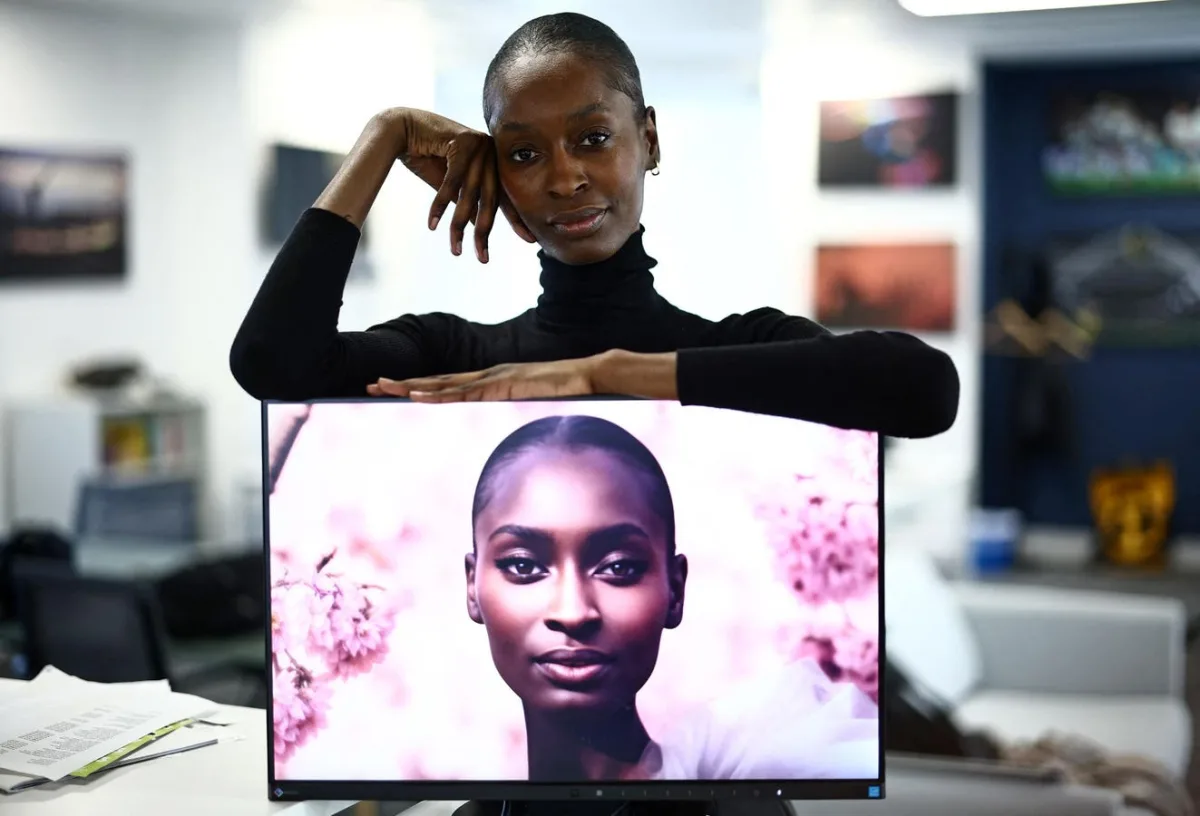
Creators are facing a new existential threat as brands increasingly demand perpetual AI likeness rights in standard sponsorship contracts. With the recent rollout of AI-powered avatars on YouTube Shorts and rumors surrounding TikTok star Khaby Lame’s scrutinized $975 million AI likeness deal, the battle over who owns a creator's digital identity has officially begun. Creator contracts are no longer just about sponsored posts and content usage rights; they are high-stakes negotiations over synthetic content and behavioral signatures.
The urgency is being driven by rapid corporate adoption. According to the IAB’s Creator Economy Ad Spend & Strategy Report 2025, three in four brands are already using, or planning to use, AI for creator marketing-related tasks. Thomas Markland, founder of creator agency HYDP, noted that "AI cloning capabilities have moved faster than most of the industry anticipated," transforming what used to be boilerplate usage clauses into highly contested legal territory.
The Rise of "Kill Switches" in Creator Contracts
For years, brands simply secured the rights to use campaign assets across social channels for a defined period. Today, generative AI allows a brand to take a single video shoot and repurpose a creator's face, voice, and mannerisms indefinitely. Brands are now attempting to purchase a creator's entire "behavioral signature" - their cadence, catchphrases, and delivery - in a single transaction.
In response, creators and their management teams are pushing back against unlimited, perpetual use. To protect their digital identities, influencers are demanding strict new contractual safeguards, including:
- Time-limited licenses that restrict how long an AI clone can be utilized.
- Explicit approval rights over every single piece of AI-generated output.
- Revenue participation clauses tied directly to the volume of AI usage.
The most notable addition to these negotiations is the "kill switch." These contractual provisions allow a creator to immediately revoke their AI likeness rights if a brand uses their digital clone in an unapproved or brand-damaging context. This reflects a growing anxiety over what happens when AI-generated content scales beyond direct human oversight.
The question of where the line is regarding biometric data or likeness is one the industry hasn’t been able to answer yet, and frankly, neither have the courts.
- Thomas Markland, HYDP
How AI Cloning Impacts Mega vs. Mid-Tier Creators
The integration of AI cloning is creating a massive divide in the creator economy. For top-tier mega influencers like MrBeast or Khaby Lame, AI likeness rights act as a highly lucrative, licensable IP asset. They can execute massive global campaigns without ever stepping foot on a set, effectively operating like Hollywood studios.
However, the reality for mid-tier creators is far more destabilizing. A brand that previously needed to hire ten mid-tier creators to generate enough content volume for a campaign can now simply license one creator's likeness, clone it into ten variants, and eliminate the other nine relationships. If a creator's primary value proposition is simply producing good content efficiently, AI cloning makes them entirely redundant.
The Trust Deficit and Localization
Despite the operational efficiency of AI, consumer skepticism remains a massive hurdle. A 2025 Vogue Business AI Consumer Perception Survey revealed that over 70% of respondents would never trust a fully synthetic AI influencer. The commercial sweet spot lies in AI-enhanced human creators, where the audience already has an established parasocial relationship.
Localization is currently the most effective use case for this hybrid model. A creator with a primarily English-speaking audience can now license their AI likeness to deliver the exact same campaign in Portuguese, German, and Japanese. This allows brands to bake in cultural nuances and reach global markets without incurring additional production or travel costs.
The IP Battle Nobody Is Ready For
The creator economy is undergoing a fundamental shift from rewarding those who make content to rewarding those who own a bulletproof content identity. As highlighted in CreatorIQ’s State of Creator Marketing Report 2025-2026, AI governance and brand safety are now central concerns. Yet, the legal framework is lagging dangerously behind; without legislation that treats biometric data with the same rigor that GDPR treats personal data, creators are highly vulnerable.
The hidden risk here is that creators who sign away broad AI likeness rights today may inadvertently be training the very models that will replace them tomorrow. The most valuable creators of the next decade will not be the most prolific uploaders, but rather those who built deep, irreplaceable audience trust before AI made visual replication trivial. Moving forward, a creator's success will depend just as much on their IP lawyers as it does on their algorithmic reach.