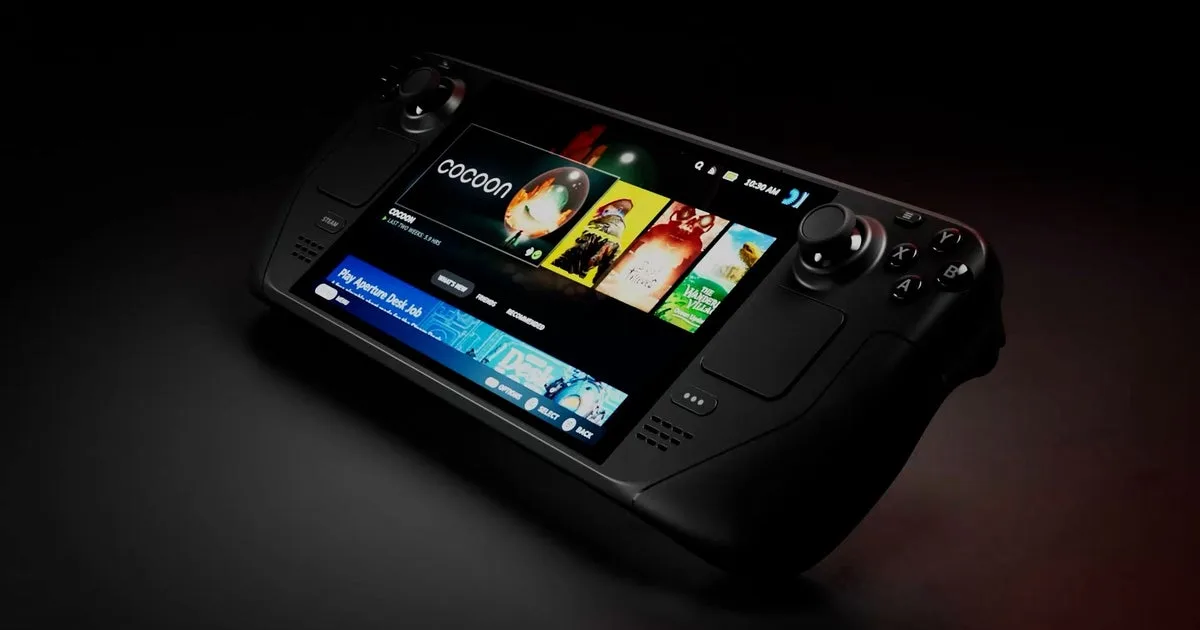
PC gamers waiting for the next evolution of handheld gaming can breathe a sigh of relief. Despite a crippling global memory and storage crisis that has driven up the cost of recent hardware launches, Valve insists its roadmap for the Steam Deck 2 remains firmly on track. The reassurance comes at a critical time for the company's hardware division, which is currently navigating severe supply chain headwinds.
Valve recently opened pre-order registrations for its highly anticipated Steam Frame VR headset, pricing the standalone device at a steep £889 / $1,059. The launch follows months of delays directly attributed to the worsening memory shortage. This crisis has severely impacted the pricing and availability of the trio of hardware products Valve announced last year, which also includes the Steam Controller and Steam Machine.
In a recent interview with IGN, Valve developer Pierre-Loup Griffais was asked if the ongoing component crisis had altered the company's vision for its next handheld. Griffais responded that it had "not really" changed their approach, emphasizing that the core user experience goals remain intact.
We've talked before about how we want to make sure there's a very delineated performance improvement for something like a future Steam Deck, I think we're still looking at it in the same way.
- Pierre-Loup Griffais, Valve
Valve has consistently stated that a true successor to its handheld must offer a generational leap in performance. In 2023, the publisher noted that the necessary technology did not yet exist, but by April of this year, Valve outright confirmed that the Steam Deck 2 is in active development. The new device will build on everything the company learned from the original console and its subsequent hardware releases.
The industry trend of compromising on hardware to offset costs is something Valve is seemingly trying to avoid. Recent smartphone releases, such as the Google Pixel 11 Pro and Pro XL, have shown that companies can charge consumers more while actually lowering internal specifications. Griffais's comments suggest Valve is unwilling to make that specific trade-off for its gaming handheld.
However, the rising cost of Valve's current hardware makes it difficult for niche products to justify their price tags. In a recent Eurogamer review of the Steam Frame, critic Matt Wales noted that while the hardware design is impressive, the device "isn't a machine for high-end enthusiasts." Wales concluded that it "doesn't offer a dramatically different in-headset experience to the far cheaper, more intuitive Quest 3."
The Generational Leap Dilemma
Valve's refusal to compromise on a "generational leap" for the Steam Deck 2 is a double-edged sword in the current economic climate. While competitors like Asus and Lenovo iterate rapidly with minor annual spec bumps, Valve is playing the long game. This strategy protects the brand's reputation for delivering meaningful upgrades, but it also leaves the door wide open for Windows-based handhelds to capture impatient buyers in the interim.
Furthermore, the $1,059 price tag of the Steam Frame VR headset proves that shielding the design process from the component crisis does not mean shielding the consumer from the final bill. If memory shortages persist into the handheld's production cycle, Valve might achieve its strict performance targets, but at a price point that abandons the aggressive affordability that made the original Steam Deck a mainstream phenomenon.