With the Nintendo Switch ecosystem now spanning two console generations, diving into The Legend of Zelda franchise can feel overwhelming for newcomers. Whether you are playing on the original hardware or taking advantage of the performance boosts on the Nintendo Switch 2, choosing the right adventure is crucial to experiencing Hyrule at its best. From massive open-world physics sandboxes to traditional top-down puzzle adventures, the current lineup offers something for every type of player.
Before diving into the mainline quests, the console offers a robust lineup of spin-offs that experiment with entirely different genres. These titles provide excellent alternative gameplay loops for fans who want to spend more time in the universe without committing to a 100-hour RPG.
- Hyrule Warriors: Definitive Edition: A technically sound hack-and-slash experience packed with playable characters.
- Hyrule Warriors: Age of Calamity: A narrative prequel to Breath of the Wild, though it famously suffers from severe frame rate drops.
- Hyrule Warriors: Age of Imprisonment: A November 2025 Nintendo Switch 2 exclusive that resolves past performance issues, despite its premium $70 price tag and smaller roster.
- Cadence of Hyrule: A highly praised rhythm crossover with Crypt of the NecroDancer.
For the mainline series, here is the definitive ranking of the best Zelda games on Switch, counting down to the ultimate experience:
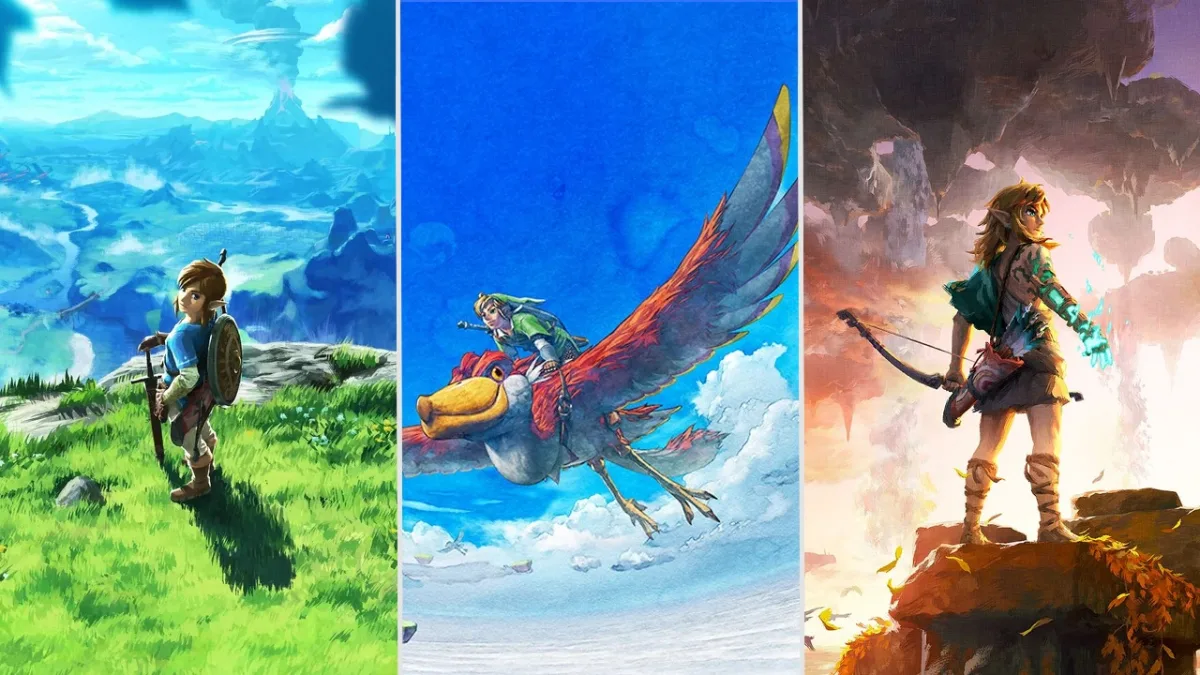
- The Legend of Zelda: Skyward Sword HD: The most polarizing entry in the franchise due to its heavy reliance on motion controls. While the Switch version introduces a right-stick sword control option that vastly improves playability, the game still suffers from repetitive backtracking across its three major areas and reused boss fights. However, it remains a high-quality remaster with some of the best traditional dungeon designs in the series.
- The Legend of Zelda: Echoes of Wisdom: This all-new 2D entry lets players control Zelda herself, utilizing a unique mechanic to create copies of enemies and objects. While it successfully brings back traditional dungeons absent in recent 3D titles, the combat can feel overly passive. Players are often forced to scroll through tedious menus to find the right echo, making the brief, timer-based swordfighter mode feel like a missed opportunity for permanent action.
- The Legend of Zelda: Link's Awakening: A visually stunning, tilt-shift remake of the Game Boy classic that takes place entirely outside of Hyrule. It features a unique art style, excellent music, and a custom dungeon creator. Notably, the severe frame rate drops that plagued the game on the base Switch are completely resolved when played on the Nintendo Switch 2, making it a flawless top-down experience.
- The Legend of Zelda: Tears of the Kingdom: The absolute pinnacle of player choice and mechanical creativity. Abilities like Ultrahand and Fuse allow players to combine objects and weapons to solve puzzles in dozens of unique ways. It expands the open-world formula with sky islands, the depths, and classic dungeons. However, because it shares the same map as its predecessor, players are advised to take a long break between the two massive 100-hour adventures.
- The Legend of Zelda: Breath of the Wild: The definitive Switch experience that completely redefined the franchise. While its sequel is technically more complex, this original masterpiece delivered an unprecedented sense of wonder, exploration, and cultural impact that could not be replicated. It remains the ultimate entry point to the modern Zelda era and one of the greatest games of all time.
The Switch 2 Performance Gap Reshapes the Catalog
The transition to the Nintendo Switch 2 is quietly reshaping how we evaluate the Zelda back catalog. As noted with the flawless performance of Link's Awakening and the exclusive release of Hyrule Warriors: Age of Imprisonment, the newer hardware is actively brute-forcing past the frame rate bottlenecks that plagued the original console's later years. This technical uplift means games that were previously hindered by performance drops are now delivering their intended, seamless experiences, effectively raising their replay value.
Furthermore, the stark divergence between traditional 2D entries like Echoes of Wisdom and the massive 3D sandboxes highlights a brilliant dual-strategy by Nintendo. By keeping the top-down perspective alive, the publisher caters to puzzle-purists who might feel alienated by the overwhelming physics engines of Tears of the Kingdom. Moving forward, this split approach ensures the franchise can sustain its momentum without forcing every single release to be a massive, physics-driven marathon.
This article was written by AI from reporting by nintendoeverything.com.