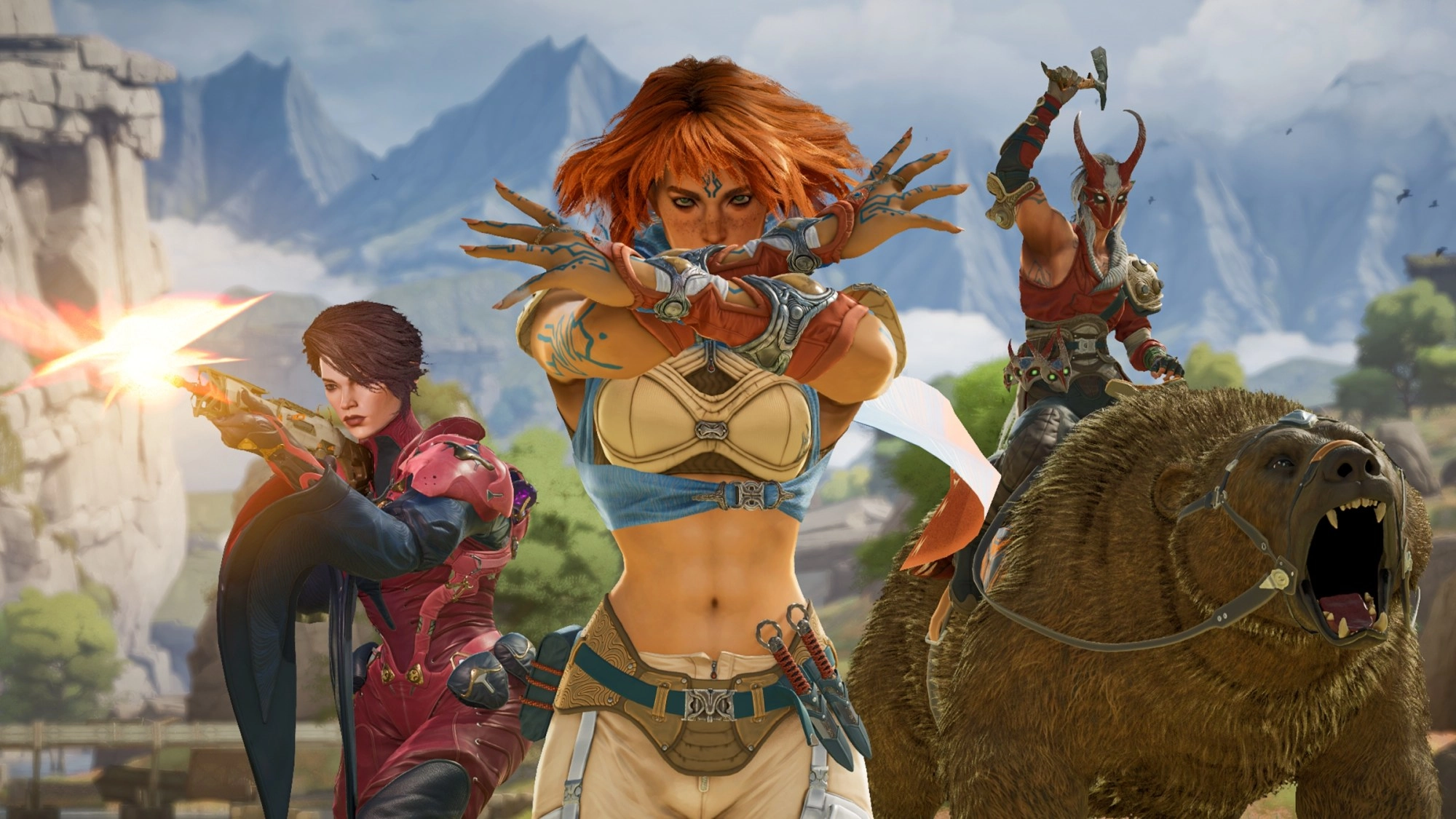
Highguard's Rocky Launch and Path Forward
Highguard burst onto the scene at The Game Awards, but the reveal quickly turned sour. Negative comments flooded in, with players decrying bugs, unbalanced mechanics, and missing features. Despite a solid coreimmersive world-building and tense tactical combatthe game sits at 'good' rather than 'great.' Developers now face pressure to refine it amid a crowded market of strategy titles like Total War and XCOM successors.
The initial hype soured due to launch-day glitches, from unresponsive controls to progression blockers. Steam reviews hover around 'Mostly Positive,' but peak player counts dropped 60% in weeks. To climb charts and retain its audience, Highguard requires targeted overhauls. Here's a breakdown of seven pivotal changes.
1. Stabilize Core Performance
Frame rate drops and crashes plague sessions, especially in large-scale battles. Optimizing engine code for modern hardwaretargeting 60 FPS at 1440pwould rebuild trust. Patches should prioritize CPU utilization, as current builds strain multi-core setups inefficiently.
2. Balance Faction Mechanics
Highguard's asymmetric factions feel lopsided; one dominates early game while others lag. Data from player reports shows win rates skew 20% higher for aggressors. Rejigger resource generation, unit scaling, and tech trees to ensure viable strategies across playstyles.
3. Expand Single-Player Campaign
The core campaign clocks in at 15-20 hours, lacking replayability. Add branching narratives, dynamic events, and multiple endings tied to player choices. Integrate procedural elements for endless skirmishes, mirroring successes in games like Endless Legend.
4. Bolster Multiplayer Infrastructure
Matchmaking queues stretch 5+ minutes, with frequent disconnects. Upgrade servers to dedicated hosting, implement skill-based pairing, and add cross-play for PC and consoles. Anti-cheat systems must evolve to curb exploits seen in beta tests.
5. Enhance UI and Accessibility
- Cluttered menus obscure key info.
- Add color-blind modes, remappable controls, and tooltips.
- Streamline tutorials for new players without hand-holding veterans.
These tweaks could boost accessibility scores by 30%, drawing casual gamers.
6. Introduce Regular Content Drops
Post-launch silence fuels churn. Commit to bi-monthly updates: new factions, maps, and cosmetics. A battle pass with free tiers would sustain engagement, similar to Helldivers 2's model that spiked concurrent users.
7. Listen to Community Feedback
Discord and Reddit brim with ideas ignored so far. Establish a public roadmap, beta branches for testing, and dev streams. Transparency turned struggling titles like No Man's Sky into triumphs.
Industry Context and Potential Impact
In 2026's gaming scene, live-service strategy games thrive on iteration. Highguard's Unreal Engine 5 foundation offers visual parity with AAA peers, but execution lags. Implementing these fixes could push it toward 90%+ approval ratings, rivaling hits like Homeworld 3.
Player investment is highover 500,000 copies sold initially. Success here validates indie-scale strategy revivals, influencing publishers to greenlight similar projects. Failure risks genre fatigue. With patches rolling out, Highguard edges closer to greatness, but time is critical in this fast-paced market.
This article was written by AI from reporting by comicbook.com.