A Fresh Take on a JRPG Epic
Dragon Quest VII Reimagined breathes new life into one of the longest entries in the beloved JRPG series. Originally released on PlayStation in 2000 and remade for Nintendo 3DS in 2016, this latest version for Nintendo Switch 2 refines the experience by cutting unnecessary padding and introducing modern features. Players follow a young fisherman and his companions as they explore a post-apocalyptic world, using magical tablets to travel back in time and prevent historical disasters that doomed islands in the present.
Visuals and Presentation Upgrades
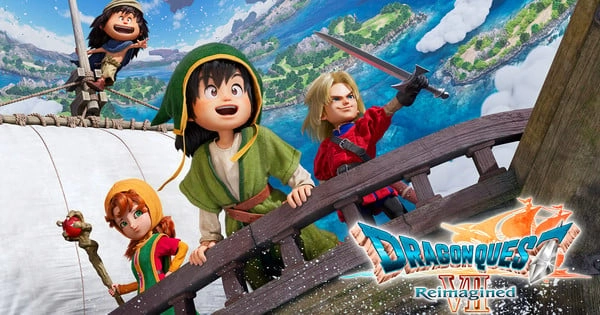
The standout change is the art style. Unlike the HD-2D pixel approach in recent Dragon Quest I-III remakes, this title retains full 3D graphics but adopts photorealistic, toy-like character models. Developer Square Enix crafted handmade dolls of party memberslike the wise Sir Mervyn and stubborn Prince Kieferscanned them for authentic detail, creating a diorama-like world that feels handcrafted and immersive.
New full voice acting elevates characters, adding charm absent in prior versions. Every line delivery highlights personalities, from Mervyn's sage advice to Kiefer's defiance, making dialogues more engaging than the original's text-only format.
Combat and Job System Evolution
Core turn-based combat remains intact, but enhancements make it more dynamic. The new Moonlighting system lets characters equip two Vocations simultaneously, expanding the original job system for greater customization. Players can mix abilitieslike pairing a warrior's strength with a mage's spellsfor creative party builds and synergies, though it doesn't reach the depth of games like Bravely Default.
Exploration improves with visible enemies on the map, eliminating random encounters. Weaker foes flee or can be slashed in the overworld for quick rewards without entering battle screens. Fast travel between unlocked areas and objective markers streamline navigation, fixing the original's frustrating backtracking.
Difficulty Options for All Players
The remake addresses the original's notoriety for bloatsuch as two hours to the first fightby accelerating pacing and adding quality-of-life tools. Three presets (Easy Going, Happy Medium, Tough Going) plus toggles for EXP gain, damage, HP restoration, gold, and monster aggression let players tailor challenge levels.
- Boss fights retain high difficulty, demanding strategy for narrow victories.
- Normal mode suits newcomers, while higher settings or toggles satisfy veterans.
- Overworld slashing and no-attack options speed grinding without frustration.
Story Structure and Pacing
The anthology formateach island a self-contained tale of past hubris leading to present ruincan feel overlong, even trimmed. Yet, quicker starts and tools keep momentum high. Restoring islands by fixing timelines delivers satisfying progression, blending cozy grinding with dark themes.
Who Should Play It?
For newcomers, it's an accessible entry to Dragon Quest's heartfelt world, with modern polish and flexibility. Veterans may miss some original grit outside bosses but appreciate voice work, visuals, and options. At 100+ hours, it's a commitment, but one rewarded by deep customization and magical moments. This reimagining proves remakes can honor classics while inviting wider audiences, cementing its place among 2026's best RPGs.
This article was written by AI from reporting by animenewsnetwork.com.