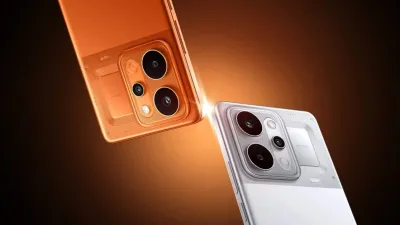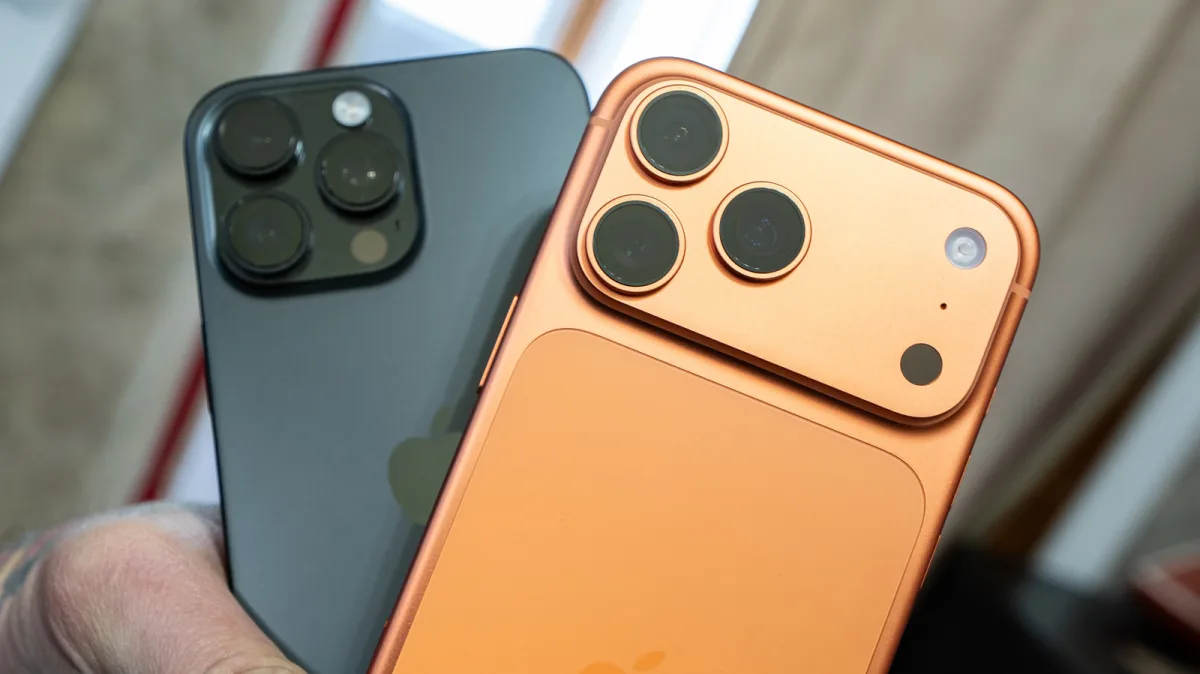
Modern smartphones are getting thinner, but their massive camera bumps continue to grow, creating a stark contrast in minimalist design. This unavoidable physical protrusion is the direct result of manufacturers packing larger image sensors, periscope lenses, and complex optical zoom hardware into increasingly slim chassis. Rather than making the entire device dramatically thicker to accommodate these components, companies have opted to isolate the bulk to the rear camera module, forcing consumers to accept a protruding aesthetic in exchange for professional-grade photography.
The primary driver behind this bulk is the image sensor. To capture better images with sharper details, wider dynamic range, and realistic colors, the sensor must physically record more light. There is currently no technological workaround for this requirement; giving the image sensors more physical surface area is the only way to improve light intake. Consequently, as flagship phones push the boundaries of low-light performance, the sensors themselves demand more internal volume.
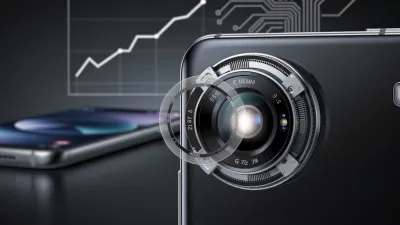
Optical zoom capabilities further compound the space constraints. Achieving longer focal lengths for better magnification requires physical distance between the lens and the image sensor. To fit these longer optical paths into a compact device, engineers utilize complex periscope designs that fold the light sideways inside the phone. When combined with the modern standard of including three or more distinct lenses - each serving a unique purpose like ultrawide or telephoto - the hardware footprint expands significantly, making a flush rear panel impossible without sacrificing zoom performance.
The Physics Ceiling of Mobile Photography
The expanding camera bump is not a failure of industrial design; it is a strict adherence to the laws of optics. Manufacturers are acutely aware that consumers prioritize high-end camera performance over a completely flat device. Until revolutionary breakthroughs in optical engineering - such as ultra-thin metalenses or advanced metamaterials - become commercially viable at scale, the physical distance required to bend and capture light cannot be bypassed by software alone.
Moving forward, the industry's focus will likely shift away from attempting to eliminate the bump and toward integrating it more seamlessly into the phone's structural identity. We are already seeing this transition with devices that use the camera module as a defining design element rather than an afterthought. Ultimately, as long as the camera remains the primary selling point of modern smartphones, the physical hardware will continue to dictate the form factor.
This article was written by AI from reporting by slashgear.com.