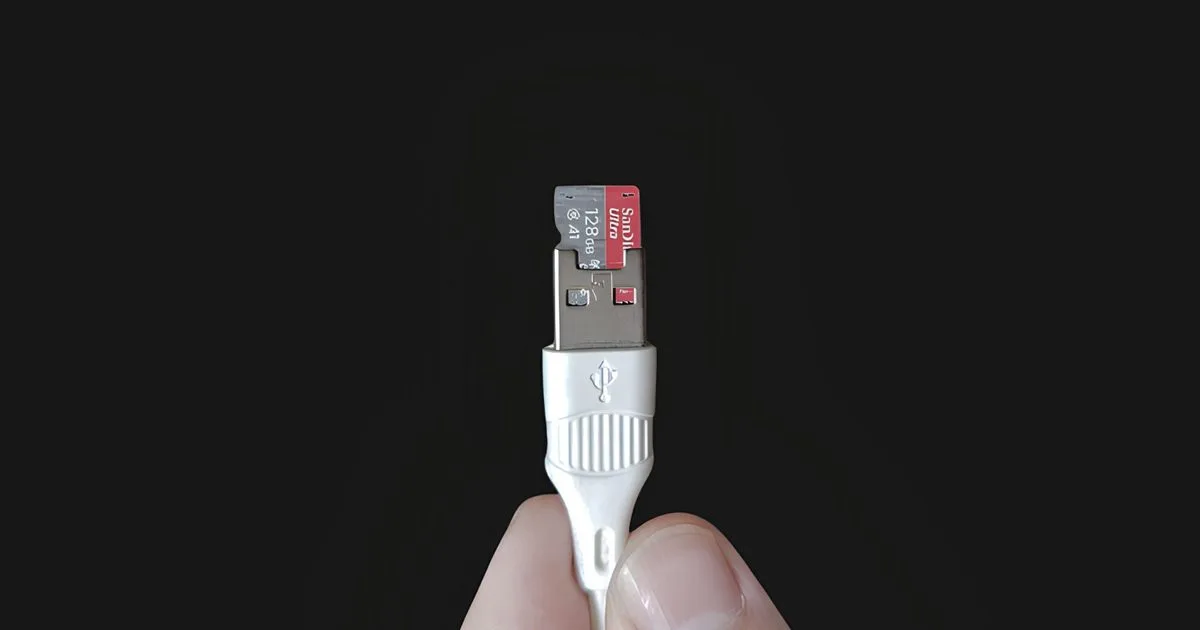
A seemingly ordinary USB charging cable is hiding a powerful Wi-Fi-enabled hacking platform capable of remotely executing scripts and stealing data. Dubbed the Hacknect USB cable, this new Kickstarter project is turning heads in the cybersecurity community by disguising penetration testing hardware as an everyday accessory.
Aimed at ethical hackers, security researchers, and automation enthusiasts, the device highlights a growing trend of physical hardware attacks that bypass traditional software defenses. By blending seamlessly into office environments, it forces organizations to rethink how they handle physical device security.
Under the Hood of the Hacknect Cable
While it functions as a standard cable to charge phones or transfer files, the true power of the Hacknect lies in its hidden internal components. The device is powered by a tiny ESP32-S3 chip, transforming it into a covert wireless computer.
Once plugged into a target machine, the cable acts as a malicious peripheral. It pretends to be a standard keyboard, allowing it to automatically type commands or launch scripts at lightning speed. This methodology draws direct comparisons to established penetration testing tools like the USB Rubber Ducky and the O.MG Cable.
According to the Kickstarter campaign, the hardware boasts several advanced capabilities:
- Remote Execution: Attackers or researchers can trigger scripts and automate tasks wirelessly.
- Wireless Control: The cable can be managed remotely via a browser dashboard or a smartphone interface.
- Keystroke Injection: It emulates keyboard inputs to bypass standard peripheral security checks.
- Covert Storage: A built-in microSD card slot allows users to store hidden files or exfiltrate stolen data.
The Threat of Invisible Hardware
The primary danger of devices like Hacknect is their innocuous appearance. Cybersecurity tools historically resembled bulky developer hardware, making them easy to spot in a corporate environment. Today, they are increasingly disguised as everyday objects, creating a major trust problem around physical device security.
For security teams, these cables are legitimate tools used to simulate real-world cyberattacks and test employee awareness during training exercises. Automation enthusiasts also utilize them for repetitive workflows and remote device management.
However, critics argue that the dual-use nature of the cable presents a significant risk. Because it looks completely normal, an unsuspecting victim might plug it into a personal laptop or a highly secure office system without a second thought. In the wrong hands, this grants unauthorized access to systems without immediately raising suspicion.
The Hardware Blind Spot in Corporate Security
The rise of the Hacknect cable exposes a critical vulnerability in modern enterprise infrastructure. Corporate IT departments spend millions on endpoint detection and response (EDR) software, yet they frequently neglect strict physical port control policies. As software defenses become increasingly impenetrable, attackers are naturally pivoting to hardware-based attack methods that operate below the OS level.
The democratization of these tools on crowdfunding platforms like Kickstarter means the barrier to entry for physical penetration testing - and corporate espionage - is lower than ever. Organizations can no longer rely solely on software-based zero-trust models.
To mitigate these threats, companies must enforce physical zero-trust policies. This includes disabling unauthorized USB data transfers at the operating system level and deploying hardware-based endpoint controls that block unrecognized peripheral devices, ensuring that a simple charging cable cannot compromise an entire network.
This article was written by AI from reporting by digitaltrends.com.