The Telegram TON network integration is entering a radical new phase, sending Toncoin (TON) surging more than 36% to a four-month high of $1.80. In a decisive move to consolidate its Web3 ecosystem, the messaging giant is officially replacing the TON Foundation as the primary driving force behind The Open Network. This shift signals a departure from the previous arms-length relationship, directly aligning the blockchain's future with Telegram's massive user base.
According to an announcement by Telegram founder Pavel Durov, the messaging platform will now serve as the network's largest validator. In an X post on Monday, Durov confirmed that new developer tools, performance upgrades, and a completely refreshed ton.org portal will roll out within the next two to three weeks.
Becoming the Primary Validator
By stepping in as the largest validator - a specialized node responsible for verifying transactions and securing the blockchain - Telegram is putting its own institutional weight behind the network. This move effectively eliminates the execution gap that previously existed between Telegram's overarching narrative and the TON Foundation's operational reality.
The market reaction has been overwhelmingly bullish across the broader ecosystem. Following the announcement, Telegram-linked tokens experienced massive daily moves, with Notcoin gaining nearly 26% and Dogs skyrocketing by more than 100%.
Slashing Fees for Micro-Transactions
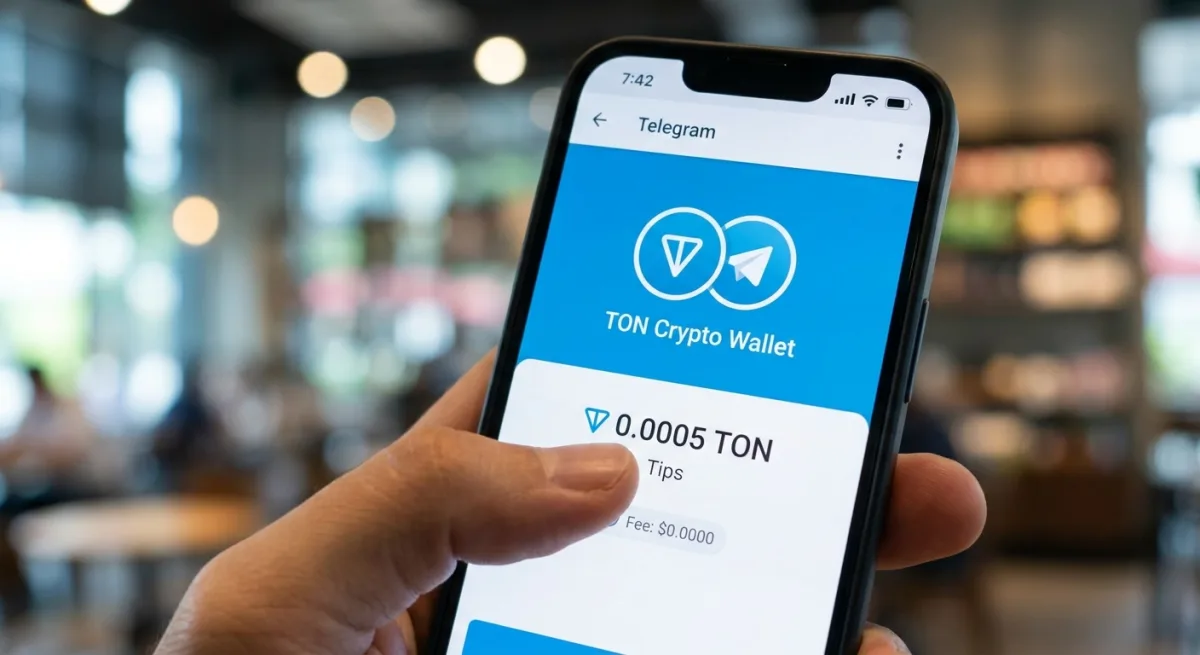
To make the network viable for everyday consumer use, Durov announced that transaction fees on the Layer 1 blockchain have been slashed sixfold, dropping to nearly zero. The new transaction cost sits at just 0.00039 TON, or approximately $0.0005, with plans to eventually transition to a completely fee-less model.
These near-zero costs are critical for the specific types of products Telegram aims to distribute. While high fees might not deter decentralized finance whales, they are fatal to consumer applications where users transfer mere cents. The reduced costs make the network highly practical for on-chain tips, bot payments, mini-app transactions, and small retail transfers.
Current Ecosystem Fundamentals
Despite the renewed market hype and an estimated user base of up to one billion monthly active users, the network's underlying fundamentals still have significant ground to recover. According to DefiLlama data, the network currently holds just over $69 million in locked value across its decentralized finance applications, a steep decline from its 2024 peak of nearly $800 million.
Network activity metrics reflect a similar contraction. Data from Tonstat indicates that daily active wallet activity sits at just under 50,000 from roughly 136,000 unique wallets. This is a sharp drop compared to the 700,000 daily activities recorded across 2.2 million wallets in August and September 2024. Daily chain fees are currently hovering around $3,600, with decentralized exchange volume near $29 million.
The Shift Toward Internalized Infrastructure
Telegram's decision to absorb the operational control of its blockchain is a necessary correction to a fragmented strategy. The stark contrast between the platform's billion-user reach and the network's current $69 million total value locked highlights the limitations of relying on an external foundation to drive adoption. By becoming the largest validator, Telegram is no longer just attaching a messaging narrative to a third-party chain; it is internalizing the infrastructure.
This pivot toward near-zero fees and direct management suggests Telegram is finally positioning itself to become a true Web3 equivalent of WeChat. If the upcoming developer tools can successfully bridge the gap between the messaging app's massive audience and the blockchain's backend, the current 50,000 daily active wallets could scale rapidly, transforming how micro-transactions are handled on a global scale.