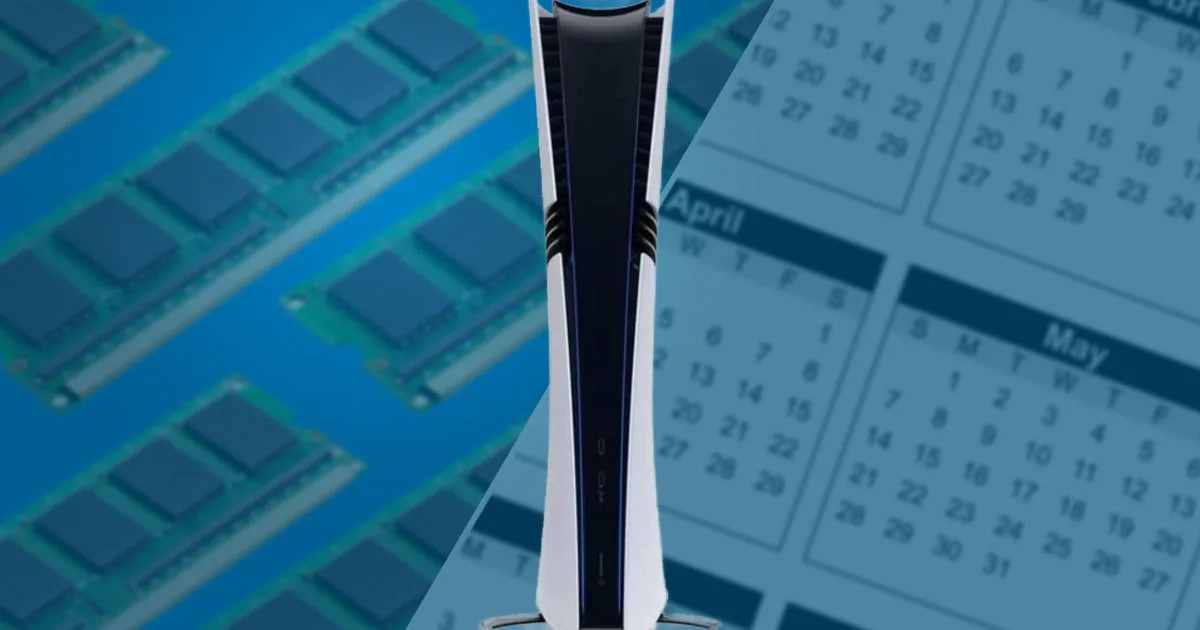
The official PlayStation 6 release date remains completely undecided, as a severe global component shortage forces Sony to delay its next-generation hardware plans. Driven by skyrocketing memory prices and the massive manufacturing demand from AI datacenters, the launch timeline for the highly anticipated console is now entirely up in the air. Gamers expecting a seamless transition to the next generation will likely have to wait significantly longer than industry analysts initially projected.
In a recent interview with the Wall Street Journal, Sony CEO Hiroko Totoki revealed that multiple divisions across the company's hardware business are feeling the strain of the ongoing component crisis. While many industry analysts had confidently predicted a 2027 arrival for the PS6, Totoki confirmed that the company still has not fixed an internal date for the launch. The situation is further complicated by geopolitical tensions and accusations of price fixing within the semiconductor supply chain.
How the RAM Crisis Impacts the PlayStation 6 Release Date
The primary bottleneck for Sony's next-generation ambitions lies in the volatile memory market. Totoki had previously warned investors in May about the escalating costs of hardware production, noting that the company must carefully observe the situation before committing to a timeline.
- Skyrocketing Memory Costs: Memory prices are projected to remain exceptionally high through fiscal year 2027, making it financially unviable to mass-produce a powerful next-gen console at a consumer-friendly price point.
- AI Datacenter Competition: The explosive growth of generative AI has led to massive datacenters hoarding available silicon and memory components, leaving consumer electronics manufacturers fighting for scraps.
- Supply Chain Instability: Ongoing geopolitical conflicts, including tensions in the Middle East, continue to disrupt global shipping and component manufacturing nodes.
With the hardware timeline delayed, Sony is expected to lean heavily into its existing ecosystem. This means players will likely see a stronger push toward subscription services like PlayStation Plus and an extended lifecycle for cross-platform play, ensuring that upcoming titles remain playable on the current PlayStation 5 for years to come.
The End of Physical Media is the Real Story
While the component shortage is a genuine logistical nightmare, this delay perfectly serves Sony's ultimate, highly controversial goal: the complete eradication of the disc drive. The company has remained bullish on transitioning to an "all-digital future" by 2028, which is now the earliest realistic window for the PS6 to hit the market. By pushing the hardware launch back to a time when physical retail presence for games will be naturally weaker, Sony minimizes the inevitable consumer backlash.
Launching a disc-less PlayStation 6 in 2028 isn't just a design choice; it is a calculated move to establish a total monopoly on game distribution. Without a physical secondary market for used games, players will be entirely locked into the PlayStation Store's pricing ecosystem. The RAM crisis may be the official reason for the delay, but it provides Sony with the exact runway it needs to condition its player base for a subscription-heavy, digital-only future.