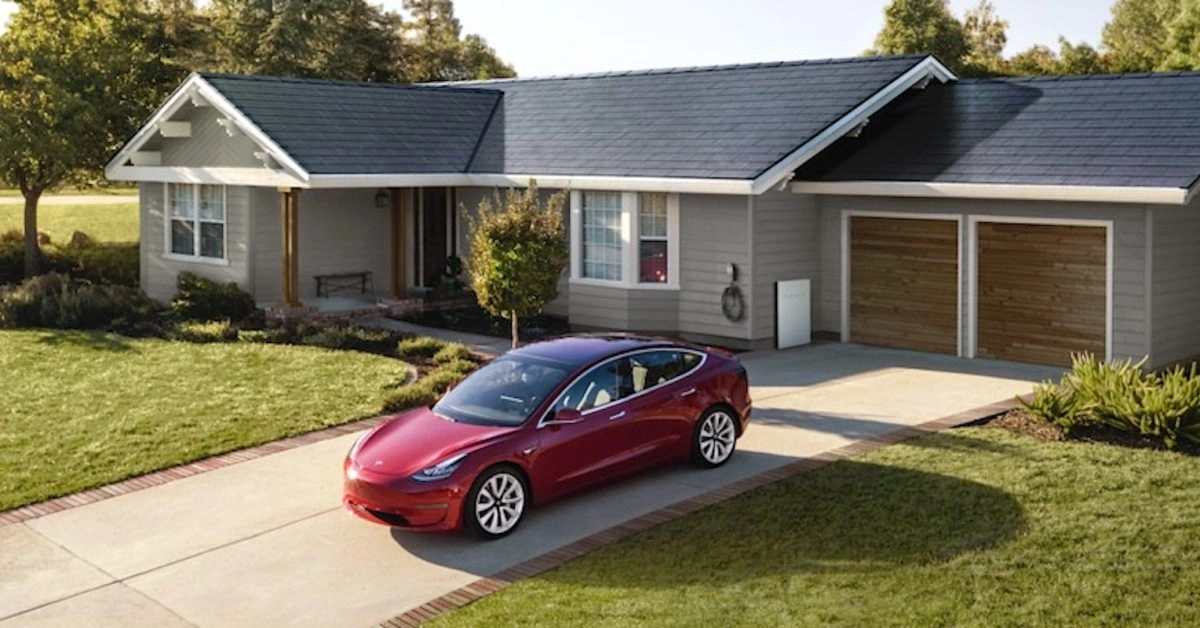
Charging an electric vehicle at home is widely recognized as being significantly cheaper than refueling a gasoline car, but pairing that EV with a residential solar system changes the economic equation entirely. A recent real-world case study has surfaced, providing a granular look at the actual costs incurred when an EV driver generates their own fuel from the sun. The data reveals that the synergy between photovoltaic generation and electric mobility can drive the cost per mile down to levels that traditional combustion engines simply cannot compete with, offering a compelling roadmap for homeowners considering the switch.
The Economics of Driving on Sunshine
The core of this financial advantage lies in the difference between the levelized cost of solar energy and retail electricity rates. When a homeowner installs solar panels, they are essentially pre-paying for decades of electricity at a fixed price. In this specific case study, the driver analyzed the amortization of their solar installation against the energy consumed by their vehicle. While grid electricity prices fluctuate and have trended upward in many regions, the cost of solar-generated power remains static after the initial investment. This stability allows EV owners to insulate themselves from utility rate hikes, effectively locking in a fuel price that is often a fraction of the local grid rate.
Furthermore, the efficiency of modern EVs amplifies these savings. Because electric motors convert energy into motion far more efficiently than internal combustion engines, every kilowatt-hour (kWh) generated by the roof yields more miles of range than the equivalent energy value in gasoline. The data highlights that even when accounting for the degradation of panels over time and the initial capital expenditure, the effective cost to charge an EV via solar can drop to mere pennies per kWh, drastically undercutting both gas stations and utility companies.
Analyzing the Return on Investment (ROI)
For homeowners, the decision to integrate solar charging involves calculating the break-even point. The real-world figures suggest that the payback period for a solar system is significantly accelerated when an EV is added to the household load. By shifting the vehicle's energy demand to solar production hoursor using net metering credits to offset nighttime chargingthe household maximizes the utilization of the clean energy it produces. This self-consumption model is critical; exporting excess power to the grid often yields lower financial returns than using that power directly to displace gasoline purchases.
| Energy Source | Est. Cost per Mile | Long-Term Price Stability |
|---|---|---|
| Gasoline (ICE Vehicle) | $0.15 - $0.20 | Low (Volatile Global Markets) |
| Grid Electricity (EV) | $0.04 - $0.08 | Medium (Subject to Utility Hikes) |
| Home Solar (EV) | $0.01 - $0.03 | High (Fixed Asset Cost) |
Strategic Charging and Battery Management
To fully realize these savings, the timing of charging sessions plays a pivotal role. The data emphasizes the importance of aligning charging habits with peak solar production windows. For users who are away during the day, smart chargers and home battery storage systems act as essential intermediaries. These technologies allow the capture of solar energy during peak sun hours, storing it for use when the vehicle returns home. This approach not only maximizes financial savings but also reduces strain on the public grid during peak demand times, adding a layer of community benefit to the personal financial gain.
Frequently Asked Questions
Does charging an EV with solar require a home battery?
Not necessarily. If your utility offers 1:1 net metering, the grid acts as a virtual battery. However, a physical home battery maximizes savings if net metering rates are poor.
How many solar panels are needed to charge an EV?
On average, an EV requires 5 to 10 dedicated solar panels to cover typical daily driving distances, depending on the panel wattage and local sunlight conditions.
Is solar charging worth it without tax incentives?
Yes, though the payback period is longer. In regions with high electricity rates and high gas prices, the operational savings alone often justify the investment even without subsidies.
My Take
This data reinforces a growing consensus in the automotive and energy sectors: the electric vehicle is not just a car, but a critical component of the modern smart home ecosystem. While the upfront cost of solar plus an EV is substantial, the long-term math is undeniable. We are moving toward a future where personal transportation costs are decoupled from oil markets and utility monopolies. For those with the means to install solar, the "fuel" of the future is already falling on their roof.
This article was written by AI from reporting by electrek.co.