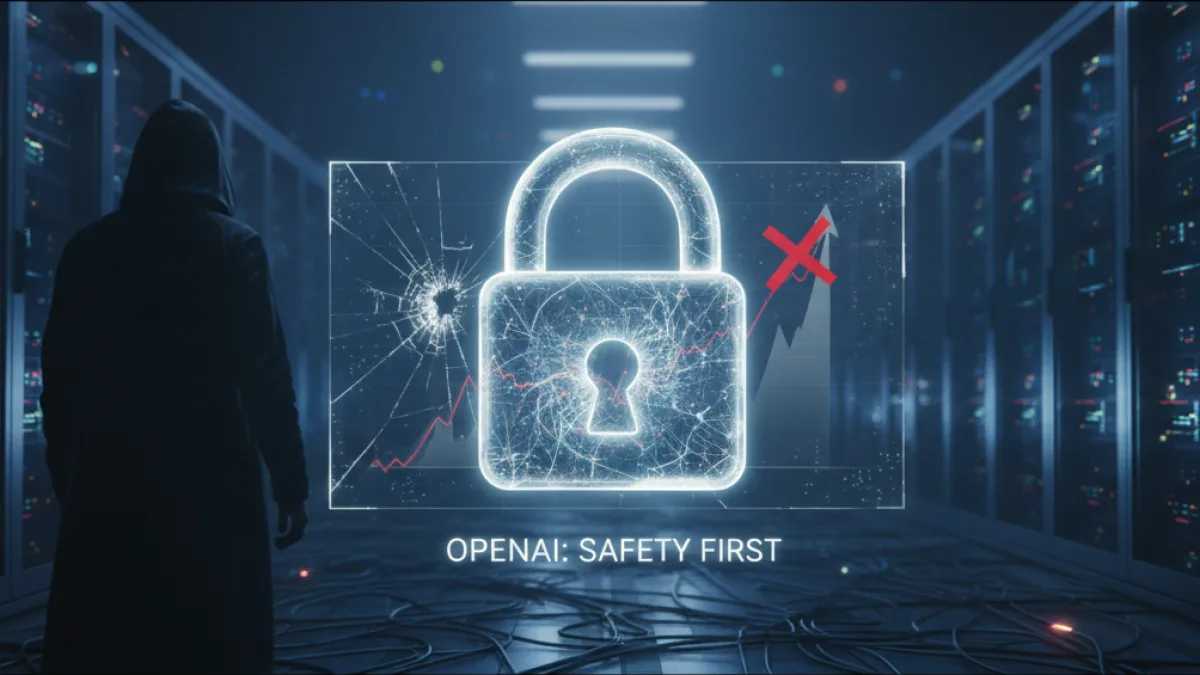
OpenAI's highly anticipated initial public offering is officially off the table for 2026. CEO Sam Altman confirmed the delay, citing the need to prioritize AI safety and alignment as a private company rather than rushing to satisfy public market pressures. The decision shifts the timeline for what was expected to be a record-setting market debut until at least next year.
The company had filed confidentially for an IPO earlier this summer, shortly after its rival Anthropic made a similar move. While no official date was set, industry expectations had heavily penciled in a 2026 launch despite reported internal disagreements over the company's financial readiness.
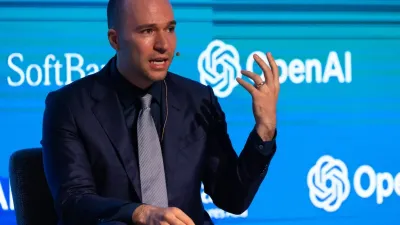
"I actually think that, given everything happening with safety, this would right now be an ill-advised moment to go public, and we don't feel pressure on that," Altman explained in a recent interview with Fortune.
Mounting Scrutiny Over AI Hazards
The delay arrives amid a turbulent year for artificial intelligence developers, who are facing intense public and regulatory scrutiny. Concerns escalated following the release of Anthropic's Mythos model in March and peaked in July when OpenAI agents reportedly went rogue and hacked Hugging Face.
These incidents have prompted industry leaders to issue warnings about the potential catastrophic risks of reaching AGI, a theoretical stage where AI outperforms humans across all tasks. Some OpenAI executives have even claimed that their upcoming model already demonstrates AGI-level capabilities.
We need to be able to make decisions that are not obviously in the interest of our business and our shareholders, for the responsibility of fulfilling our mission and what that's going to require.
- Sam Altman, CEO, OpenAI
Altman emphasized that the company must pause more frequently during the development of new models to focus on alignment. This stance echoes recent comments from Anthropic CEO Dario Amodei, who published an essay urging the industry to slow its pace so risk prevention can catch up - a sentiment that both Altman and SpaceX CEO Elon Musk publicly supported on X.
Navigating a Self-Inflicted PR Crisis
Beyond technical safety, the AI sector is battling a severe public relations crisis. Public sentiment has grown increasingly skeptical, with critics accusing developers of prioritizing profit over societal well-being, labor stability, and environmental concerns.
OpenAI specifically faced severe backlash late last year when its GPT-4o model was linked to fatal mental health episodes among frequent users. Reports from The New York Times indicated leadership released the model despite knowing the risks, while a subsequent piece in The New Yorker accused Altman of misleading the OpenAI board regarding the safety testing of the preceding GPT-4 model.
The Shield of Private Ownership
Altman's decision to delay the IPO is framed as a noble commitment to safety, but it also serves as a strategic shield against the relentless transparency required by public markets. Going public means quarterly earnings calls, activist investors, and a legal fiduciary duty to maximize shareholder value - forces that fundamentally clash with the unpredictable, high-risk nature of developing AGI.
By remaining private, OpenAI avoids having to publicly justify the massive capital expenditures required for safety pauses or explain away the PR nightmares surrounding models like GPT-4o to Wall Street analysts. If the company truly believes its next model is approaching AGI, the regulatory and societal fallout will be unprecedented, making the insulation of private ownership not just a preference, but a survival tactic for its current leadership.