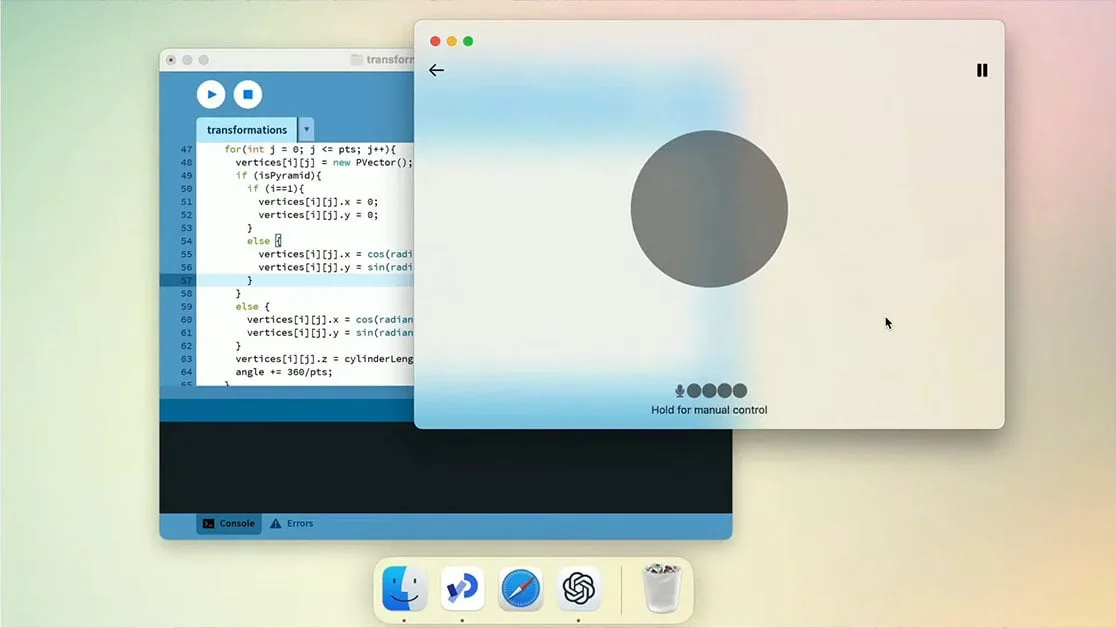
OpenAI is actively developing a unified Mac superapp that will merge its ChatGPT application, Codex programming platform, and Atlas browser into a single, cohesive workspace. This strategic consolidation aims to streamline the user experience and introduce powerful agentic AI capabilities that can operate autonomously on a user's computer. Designed primarily for enterprise users, developers, and power users, this all-in-one application will enable professionals to execute complex workflows - such as writing code and analyzing large datasets - without constantly switching between standalone tools.
The pivot toward a unified ecosystem comes as OpenAI faces mounting pressure from its primary rival, Anthropic. Following the rapid enterprise adoption of Anthropic's Code Claude and Cowork platforms, OpenAI is recalibrating its focus to prevent losing ground in the developer space. During a recent all-hands meeting, OpenAI's Chief of Applications, Fidji Simo, reportedly warned employees against being distracted by "side quests," emphasizing the critical need to reclaim momentum in the enterprise and coding sectors.
According to a report from The Wall Street Journal, the transition to this unified platform will occur in phases. Over the coming months, OpenAI plans to inject new "agentic" capabilities directly into the existing Codex app, expanding its utility beyond basic programming to handle broader productivity tasks. Eventually, ChatGPT and the Atlas browser will be folded into this enhanced Codex foundation to form the final superapp. An OpenAI spokesperson noted that this consolidation will also help internal research teams focus their efforts on improving one central product rather than maintaining fragmented standalone releases.
While the desktop experience is undergoing a massive overhaul, the company confirmed that the mobile ChatGPT app will remain unchanged for the foreseeable future. This shift in strategy follows a busy previous year for OpenAI, which included the launch of the Sora video generation model and the high-profile acquisition of Jony Ive's AI hardware venture. Despite these ambitious projects, the immediate priority appears to be solidifying its core software offerings against fierce industry competition.
My Take
OpenAI's decision to build a unified Mac superapp is a necessary defensive maneuver against Anthropic's highly successful enterprise push. By integrating the Atlas browser and Codex directly with ChatGPT, OpenAI is moving away from the fragmented "app store" model and toward a true OS-level AI agent. If these upcoming agentic capabilities can genuinely execute autonomous tasks across a user's local machine, it could redefine desktop productivity. However, the lack of a firm release timeline suggests they are still playing catch-up to Anthropic's current momentum in the corporate sector.
Frequently Asked Questions
Will the OpenAI superapp replace the mobile ChatGPT app?
No, according to current reports, the mobile version of ChatGPT will remain unchanged while the desktop experience is consolidated into the new superapp.
What are agentic AI capabilities?
Agentic AI refers to systems that can work autonomously to complete multi-step tasks, such as analyzing data or writing and executing code directly on a user's computer without constant manual prompting.
Why is OpenAI merging Codex and Atlas?
The merger is designed to simplify the user experience and allow internal teams to focus on perfecting one central product, directly countering the enterprise success of rivals like Anthropic.