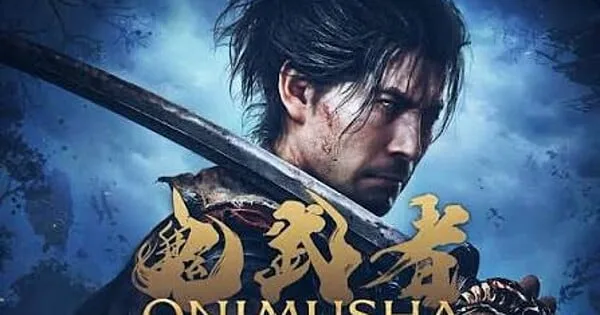
Capcom’s Onimusha: Way Of The Sword pushes the graphical limits of the Switch 2, delivering a cinematic samurai experience locked at a steady 30 FPS. However, beneath the breathtaking body-horror boss designs and punishing stamina-based combat lies a repetitive structure that ultimately exhausts its own potential. The game attempts to blend traditional Japanese history with dark fantasy, but struggles to balance its rich mechanics with a compelling narrative loop.
The visual presentation is undeniably the game's strongest asset. Players are frequently treated to gorgeously rendered animated cutscenes that feel ripped from a high-budget samurai film. The traditional Japanese soundtrack perfectly complements the meticulously designed environments.
Pushing the Switch 2 to Its Cinematic Limits
While the game is locked at 30 FPS, the sense of scale and intimidation remains intact. The gap in quality between pre-rendered cinematics and in-game cutscenes is noticeable, occasionally resulting in uncanny facial animations - particularly around mouth movements. Despite these minor technical hiccups, the overall aesthetic is highly impressive by Switch 2 standards.
The enemy design is where the art direction truly shines. Bosses are crafted with a twisted body-horror style, resembling nightmarish figures pulled directly from traditional Japanese paintings. Discovering a new enemy type or facing an intimidating new threat consistently provides the game's highest emotional peaks, eliciting genuine reactions of disgust and fear.
A Masterclass in Stamina and Steel
When it comes to gameplay, Onimusha: Way Of The Sword successfully implements the best elements of modern action RPGs. Playing as Musashi, button-mashing is a guaranteed path to failure. Both the player and enemies rely on a strict health and stamina system. The core strategy revolves around depleting an opponent's stamina meter using basic attacks, sub-weapons, or perfectly timed parries, which opens them up for devastating finishers.
This combat philosophy scales brilliantly across the entire experience. The exact same tactical approach used for minor enemies applies to massive bosses, with the only variables being aggression levels and attack patterns. The game balances progression flawlessly; even as players upgrade abilities and build strength through overworld exploration, Musashi never feels overpowered, nor are encounters ever unfairly difficult.
A Hollow Journey Through Kyoto
Unfortunately, the masterful combat and cinematic presentation are largely wasted on a shallow narrative structure. The story essentially boils down to Musashi wandering the Kyoto overworld, taking orders from a revolving door of historical figures who lack proper introductions or character development. The game relies heavily on the player's external knowledge of Japanese history to instill a sense of importance in these NPCs, rather than building emotional stakes organically.
The mission structure quickly devolves into a repetitive loop: travel to a new area, complete fetch quests, clear out fodder enemies, and fight a boss. While the game attempts to inject tragedy into these storylines, the emotional impact is fleeting. Furthermore, the primary antagonist and Musashi's main rival disappear for dozens of hours at a time, leaving the narrative without a driving force for the majority of the playthrough.
The Curse of the Bloated Action RPG
The fundamental tragedy of Onimusha: Way Of The Sword is that it actively punishes players for mastering its systems. Because the narrative rewards are so hollow, the repetitive loop of clearing out basic enemies transforms from an engaging tactical exercise into a tedious chore by the halfway mark. When a game's mechanics are this refined, forcing the player to endure hours of mindless fetch quests dilutes the brilliance of the boss encounters.
Capcom has built a phenomenal mechanical foundation here, but the pacing reflects a broader industry issue where action RPGs artificially inflate their runtime to justify their price tags. If the developers had trimmed 10 to 15 hours of overworld bloat and focused strictly on the cinematic set pieces and major duels, this could have been a flawless samurai epic. As it stands, it is a mechanically rich but structurally exhausting experience that overstays its welcome.
This article was written by AI from reporting by animenewsnetwork.com.