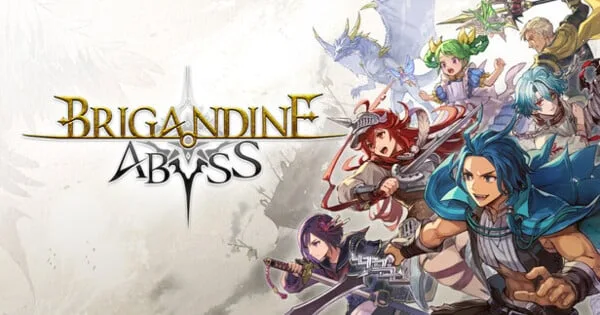
Brigandine Abyss attempts to fix the archaic flaws of its 2020 predecessor, The Legend of Runersia, but stumbles in its execution. While developer Happinet delivers deeper tactical maps and a robust new gameplay mode, the game sacrifices its signature artistic charm for a flatter, more generic presentation. It is a sequel that feels less like a dramatic leap forward and more like an awkward shuffle to the side.
The most jarring change lies in the game's story and visual presentation. Happinet placed a heavier emphasis on narrative this time around, focusing on the warring factions of Pandemyuon and Gran Dragnica. However, the lush, painterly artwork of original designer Raita Kazama has been replaced by much flatter character designs. Despite bringing in veteran designers Niji Hayashi (Fire Emblem) and Junko Kawano (Suikoden), the new motion-comic cutscenes look lifeless and cheap.
The musical score suffers a similar fate, fading entirely into the background without leaving a lasting impression. For a grand strategy game that demands dozens of hours of investment, this downgrade in aesthetic personality makes the lengthy campaign feel significantly drier.
Battlefield Upgrades and Tedious Clashes
Fortunately, the actual battlefield is where Brigandine Abyss finds its footing. The tactical maps are a massive improvement over The Legend of Runersia. Elevation, choke-points, and terrain differences now play a critical role in your strategy, making the positioning of your knights and monster minions far more engaging.
However, the actual combat animations remain exceptionally modest. The one-on-one unit duels lack the dramatic flair that usually makes tactical RPGs shine. Because battles involve dozens of units on massive maps, conflicts frequently devolve into a slow, tedious dogpile of anonymous monsters smashing into each other turn after turn.
Players can utilize Turbo Speed and Auto Battle Mode to bypass the grind, but relying on these features highlights the underlying pacing issues. The core loop of managing troops, summoning creatures via the Fate Binding system, and gathering resources remains highly addictive, but the battles themselves often feel like a chore.
The Saving Grace: Mission Mode
The standout addition to the overall campaign flow is the new Mission Mode, which injects much-needed replay value into the experience. Instead of being locked to the six main nations featured in the story, players can choose from a massive catalog of 24 distinct factions.
This mode introduces creative and often diabolical win conditions that force players to rethink their standard strategies. Notable challenges include:
- Completing an entire campaign using only a specific, restricted set of units.
- Managing severe economic constraints to ensure the nation's debts are paid off after every single season.
- Navigating unique post-game sandbox scenarios that test the limits of your army-building skills.
The Price of a Generic Presentation
The grand strategy genre relies heavily on either deep, emergent gameplay or captivating presentation to carry players through 100-hour campaigns. By downgrading its visual identity to focus on a forgettable narrative, Brigandine Abyss undermines its own replayability. The improved map topography and the brilliant 24-faction Mission Mode prove that Happinet understands tactical depth, but the tedious pacing of the actual combat makes it hard to stay invested.
For hardcore franchise fiends who simply want to crunch numbers and move miniatures across a detailed gameboard, there is enough mechanical meat here to justify a playthrough. However, for newcomers or casual tactical RPG fans, the lack of personality and slow battles make the sticker price difficult to swallow. Unless you are desperate for a new grid-based conquest, this is a title best left on the wishlist until it receives a significant discount.