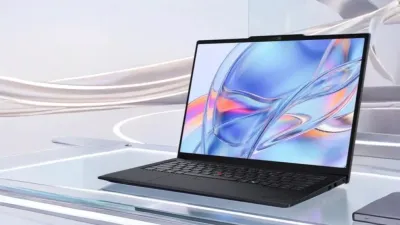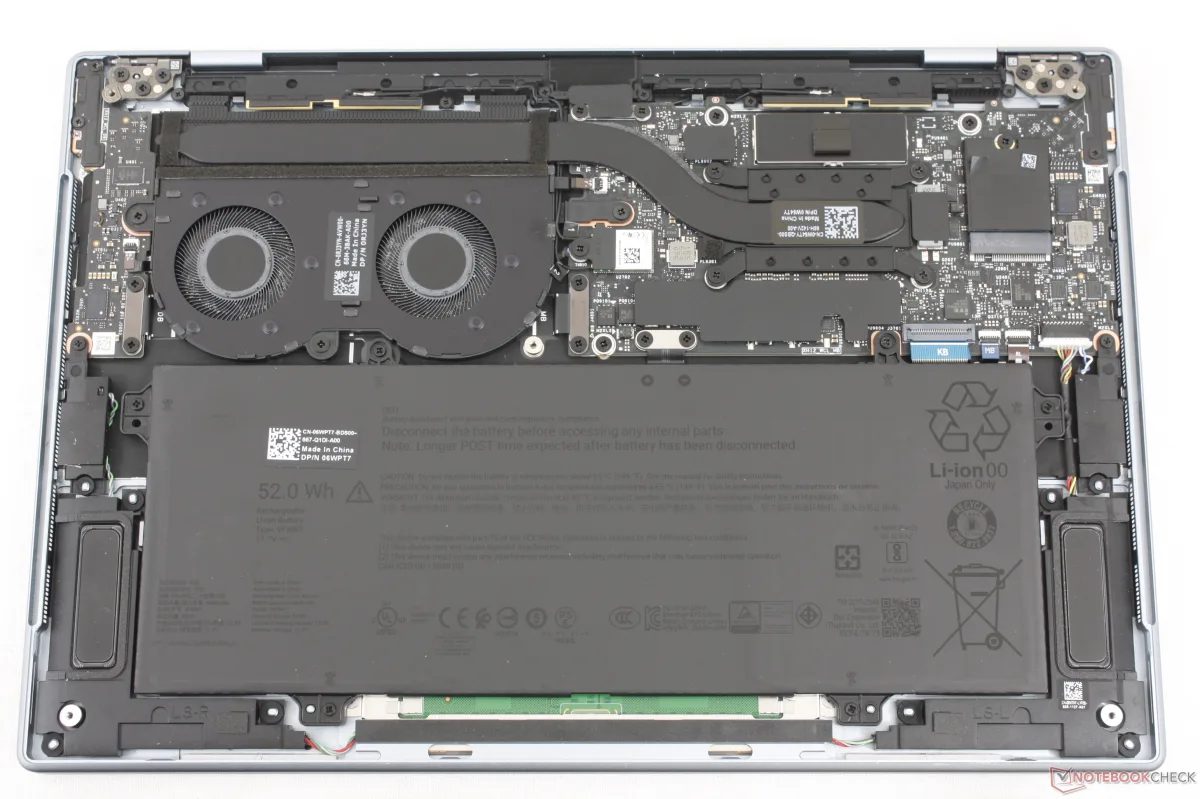
The first benchmarks for Intel's entry-level Core 5 320 "Wildcat Lake" processor are here, revealing a chip that prioritizes extreme battery life over raw computing power. Debuting in the 2026 Dell XPS 13 for under $1,000, the new CPU delivers single-thread speeds comparable to premium Lunar Lake chips but struggles heavily in multi-threaded and graphical workloads.
According to testing by Notebookcheck, the Core 5 320 offers single-thread performance on par with the newer Core Ultra 7 256V. However, its multi-thread capabilities lag significantly, matching the years-old Ice Lake Core i7-1185G7. This makes the processor perfectly adequate for 4K video streaming, web browsing, and word processing, but a potential bottleneck for heavy multitaskers or content creators.
On the graphics front, the integrated Graphics 2 Xe3 falls short of modern expectations. It performs slower than the Iris Xe 96 EUs found in half-decade-old ultrabooks. Gaming is strictly limited to undemanding 2D titles like Celeste, ruling out modern 3D rendering or intensive photo editing entirely.
Where the Wildcat Lake architecture shines is in low-power states. The Dell XPS 13 draws less than 2 watts while idling on the desktop, contributing to an impressive 18-plus hours of battery life during light use. However, its performance-per-watt under heavy load is less efficient than higher-end alternatives.
For comparison, the Core Ultra X7 358H consumes 1.5x to 2.5x more power but delivers 3x the multi-thread and 5x the graphics performance. This indicates the Core 5 320 is highly optimized for idle efficiency rather than sustained heavy workloads.
The Return of the Netbook Era in Disguise
Intel’s strategy with the Core 5 320 Wildcat Lake feels like a modern reimagining of the Atom processor days, wrapped in premium chassis designs like the XPS 13. By sacrificing multi-core scaling and GPU compute to achieve sub-2W idle power draws, Intel is clearly targeting the Chromebook and basic enterprise markets where battery longevity is the only metric that matters.
However, pairing such a graphically limited chip with a premium brand like XPS risks confusing consumers who expect baseline gaming or editing capabilities from a $1,000 machine. Buyers must treat this strictly as a high-end typewriter and media consumption device, or they will be severely disappointed by the Graphics 2 Xe3 limitations.