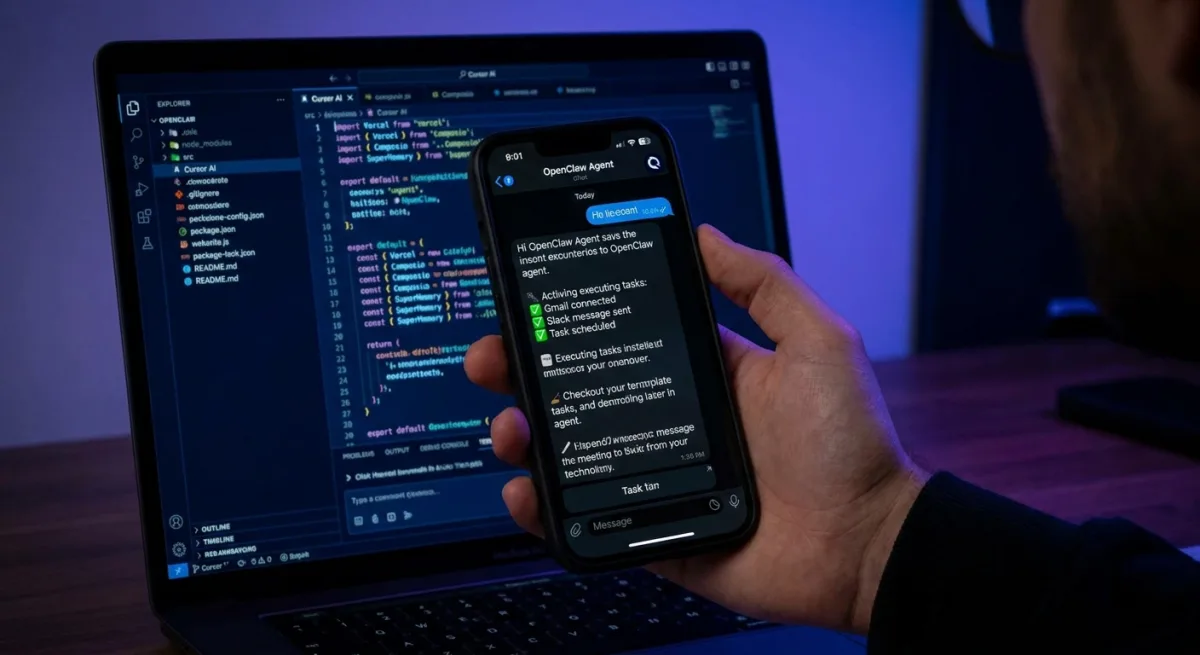
Developers looking to deploy autonomous AI assistants directly to their mobile devices can now build a persistent Telegram AI agent using a newly released curriculum from freeCodeCamp. The one-hour project-based course, inspired by the open-source OpenClaw project, moves beyond basic chatbot interfaces to create an intelligent system capable of executing cross-app workflows autonomously.
Instructor Shawn Esquivel guides developers through the entire lifecycle of creating an agent that does not just answer questions, but actively manages tasks across platforms like Gmail and Slack. By leveraging modern development tools, the system is designed to run scheduled tasks independently and recall past interactions, creating a highly personalized mobile assistant.
Core Architecture and Tech Stack
The course breaks down the development process into distinct anatomical components, ensuring the agent can reason, remember, and act across different platforms:
- The Body (Vercel AI SDK): Creates a responsive chat interface supporting dynamic content like code blocks and weather forecasts.
- The Brain (Vercel AI Gateway): Connects the agent to high-performance AI models for reasoning, planning, and complex task execution.
- The Hands (Composio): Enables the agent to autonomously manage workflows across external applications like Slack and Gmail.
- The Memory (SuperMemory): Integrates long-term recall so the agent retains the context of previous user interactions.
- The Heartbeat (Vercel Cron): Allows the agent to run scheduled, independent background tasks without requiring manual user prompts.
Throughout the build process, the course utilizes the Cursor AI code editor to accelerate development, troubleshoot bugs, and generate boilerplate code. The final deployment targets Telegram, ensuring the agent remains accessible on mobile devices rather than being confined to a desktop browser.
The Shift Toward Mobile-First AI Agents
The integration of Vercel Cron jobs and Telegram represents a significant evolution in how developers approach personal AI tools. Instead of relying on reactive web interfaces that require active user input, this architecture creates a proactive assistant that lives in a messaging app you already use daily.
By combining Composio's cross-app execution with SuperMemory's recall, the agent transitions from a simple text generator into a persistent digital worker. This freeCodeCamp course highlights a growing industry trend: the future of AI lies in autonomous, mobile-accessible agents that execute background workflows while users are away from their keyboards.
This article was written by AI from reporting by freecodecamp.org.