For decades, the transition to electric vehicles has been stalled by high upfront costs, fragmented charging networks, and persistent range anxiety. Now, UK-based Octopus EV is actively dismantling these barriers by bundling AI-optimized home energy, public charging, and vehicle leasing into a single, seamless ecosystem. Born as an offshoot of the energy disruptor Octopus Energy, the company has rapidly evolved into the UK's leading EV-only leasing provider.
By treating the vehicle not just as a mode of transport, but as a mobile battery tied to the national grid, the company is fundamentally rewriting the economics of car ownership. The strategy is already yielding massive dividends, with the company capturing between 7% and 8% of all new EV registrations in the UK this year, up from 5% last year.
The Salary Sacrifice Revolution
To combat the prohibitive sticker price of modern electric vehicles, Octopus EV leveraged a corporate salary sacrifice scheme that effectively makes driving an EV up to 40% cheaper. This financial restructuring allows everyday consumers to access premium models, shifting their purchasing power from entry-level hatchbacks to luxury sedans like the BMW 5 Series. The model has proven wildly successful in the corporate sector.
The company has successfully onboarded over 7,500 employers, ranging from small enterprises to global heavyweights like McLaren, BCG, and Bain & Co. To fuel this massive fleet expansion, Octopus EV has raised over £2 billion in funding. This capital has put more than 45,000 drivers on the road, allowing the company to price their leased vehicles at par with, or even below, traditional internal combustion engine (ICE) vehicles on popular platforms.
Unifying the Charging Ecosystem
Beyond the hardware, the company's core advantage lies in its software and energy integration. In 2018, they launched Octopus Go, an off-peak tariff that slashed charging costs to less than a penny per mile. Today, that system has evolved into Intelligent Octopus Go, a platform that requires zero human intervention. It uses artificial intelligence to seamlessly optimize EV charging schedules based on real-time energy costs and grid capacity.
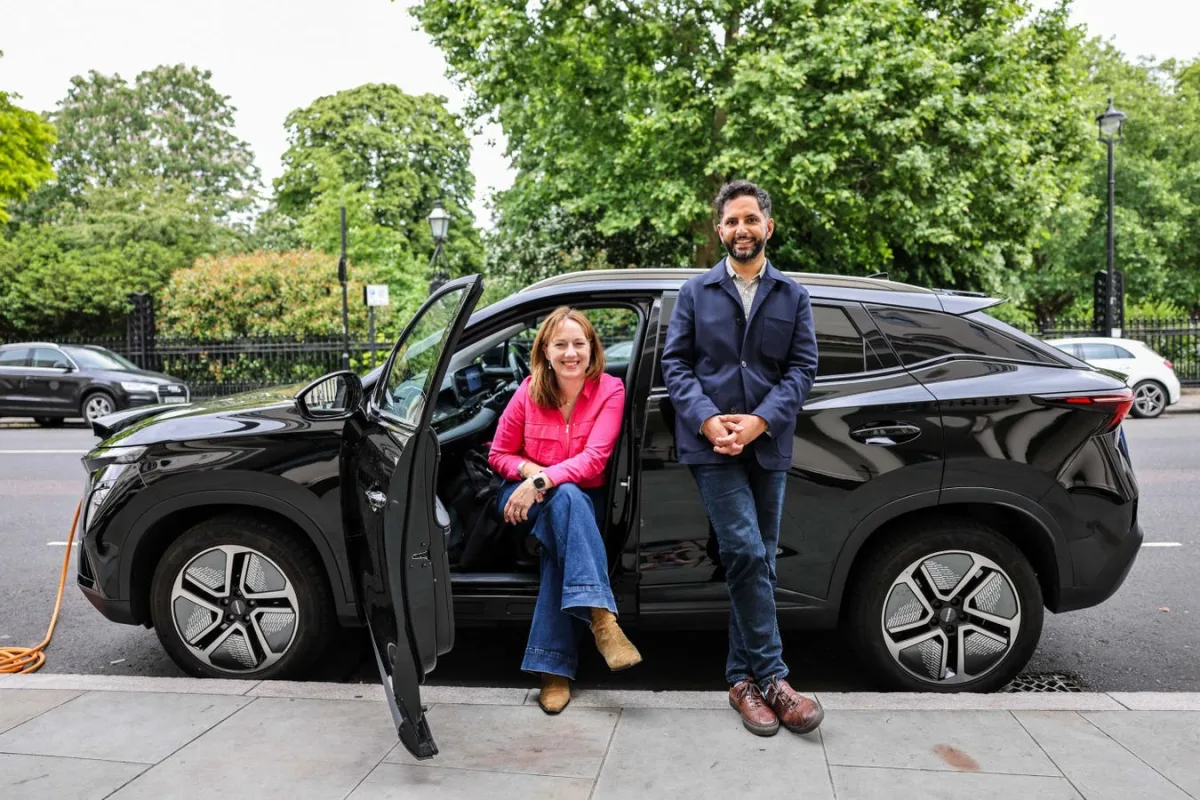
For public charging, the company bypassed the costly route of building proprietary hardware and instead launched Octopus Electroverse. This unified service allows users to find, access, and pay for charging across over 1.4 million public chargers worldwide using a single app and RFID card. "We're still the only place that can do it all in one place, seamlessly, for a customer," explained Gurjeet Grewal, CEO of Octopus EV.
How Vehicle-to-Grid (V2G) Transforms Ownership
The most ambitious frontier for Octopus EV is Vehicle-to-Grid (V2G) technology, which allows an electric car to return stored energy to the home or the broader electrical grid. While V2G has long been a theoretical pillar of the EV revolution, Octopus is actively commercializing it. Last year, they launched a partnership with BYD centered around the Dolphin model, offering customers a combined car and V2G charger lease.
Only 14% of people in the UK believe that charging at home is cheaper than petrol.
- Gurjeet Grewal, CEO, Octopus EV
This setup unlocks free energy for customers who allow the grid to draw from their car battery when it sits idle. A similar collaboration with Ford in Germany is set to go live this summer, with more OEM partnerships currently in development. However, the system still faces regulatory hurdles, primarily the double taxation levied on electrons that pass through a car battery and back into a house.
Founder and Director Fiona Howarth remains optimistic about overcoming these legislative friction points. "Those things are being ironed out, and that will make it much more compelling for customers," Howarth noted, emphasizing that volatile energy prices make a strong case for using EV batteries to balance the grid.
The Untapped Used EV Market
While new leases drive headline growth, the founders have identified the pre-owned EV market as a massive, uncolonized frontier. According to a recent AA survey in the UK, a mere 4% of consumers currently trust pre-owned battery-electric vehicles, despite the fact that many still carry manufacturer warranties and boast significantly lower running costs than petrol cars.
Because of this hesitation, used EVs are typically undervalued, pricing out at an average of 10% below their ICE equivalents. Octopus EV capitalized on this pricing gap by becoming the first UK leasing business to offer second-hand electric cars through salary sacrifice. The market response has been explosive, with the company recording a 177% increase in demand for second-hand leased EVs over the past year.
The Hidden Economics of Turning Cars Into Power Plants
The true brilliance of the Octopus EV model isn't just in moving metal; it is in transforming a historically depreciating asset into active, grid-balancing infrastructure. By integrating AI-driven tariffs with V2G capabilities, they are effectively turning consumer driveways into decentralized power plants. This shift is critical for national grids that are increasingly reliant on intermittent renewable energy sources like wind and solar.
The regulatory bottleneck of double taxation on V2G energy remains the most significant hurdle to mass adoption. However, once policymakers inevitably correct this flaw, the financial logic of EV ownership will permanently flip. A vehicle will no longer just cost money to operate; it will actively generate passive income while parked.
Furthermore, their aggressive push into the used EV market creates a closed-loop circular economy that traditional dealerships are entirely missing. By capturing the vehicle on its first lease, managing its battery health via smart charging, and then re-leasing it to a second owner at a massive discount, Octopus EV is extracting maximum lifetime value from the hardware while simultaneously democratizing electric mobility.