A tiny fraction of artificial intelligence companies absorbed 81% of global venture funding in the first quarter of 2026, fundamentally rewiring the Forbes Midas List. With over $240 billion flowing into AI mega-startups in just three months, the venture capital landscape has shifted dramatically from early-stage discovery to securing allocations in pre-IPO giants.
According to PitchBook data, nearly three-quarters of all U.S. venture investment during this period flowed into just five deals. This unprecedented concentration of capital means that nine of the ten companies contributing most heavily to investor performance on this year's Midas List remain privately held - the highest number in the ranking's history.
Whether public investors ultimately validate those prices or force a reset may define the next era of venture capital.
- TrueBridge Capital Partners, Forbes
The Top 10 Companies Driving the 2026 Midas List
- OpenAI: Closed a record-setting $122 billion Series F in March 2026 at an $852 billion valuation, backed by Amazon, Nvidia, and SoftBank. Annualized revenue reached $25 billion (up from $3.7 billion in 2023). The company is preparing for a potential June 2026 IPO targeting a $1 trillion valuation. Key Midas investors include Vinod Khosla, Trae Stephens, Randy Glein, Ronny Conway, and Sam Fort.
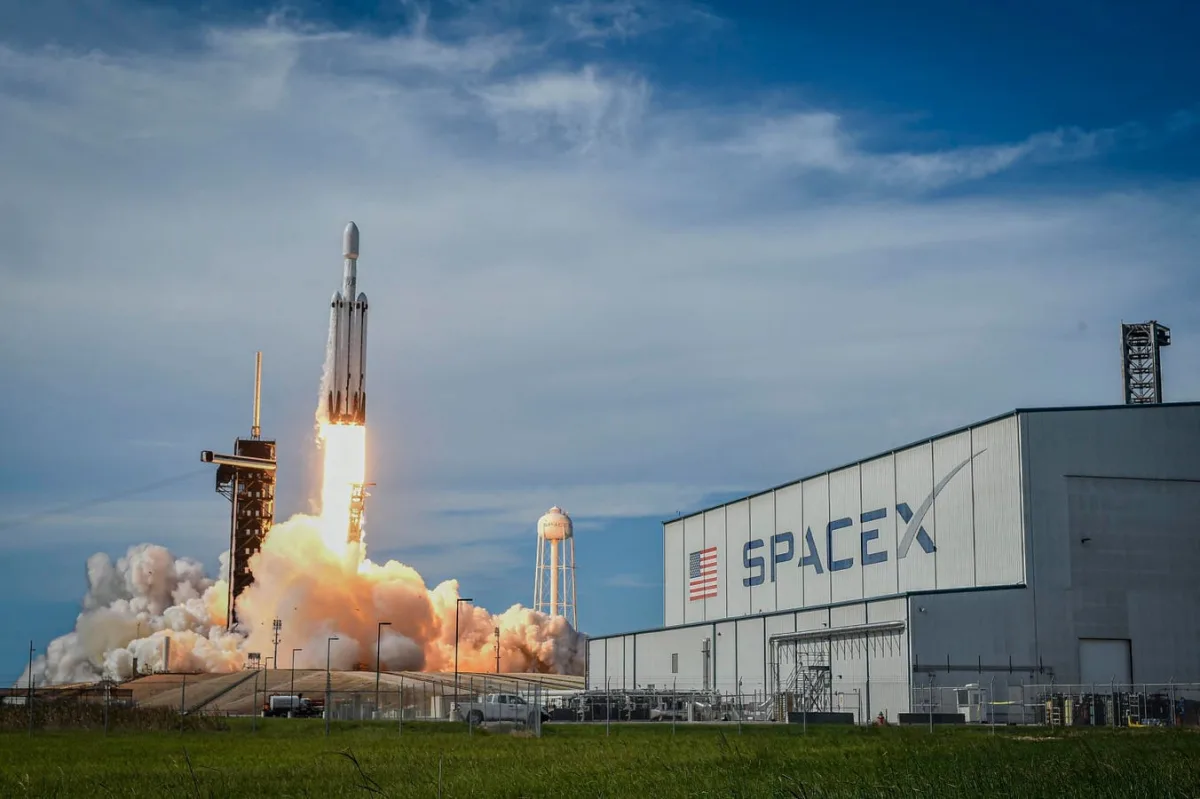
- SpaceX: Acquired xAI in February 2026, creating a combined entity valued at $1.25 trillion ($1 trillion for SpaceX, $250 billion for xAI). Starlink surpassed 4 million subscribers, and Falcon rockets completed over 150 launches in 2025. The company also launched Terafab for AI chip manufacturing. Key investors include Peter Thiel, Luke Nosek, Shaun Maguire, Antonio Gracias, and Steve Jurvetson.
- Anthropic: Raised a $30 billion Series G at a $380 billion valuation, with annualized revenue surging to $30 billion by May 2026. Its Claude Code platform reached $2.5 billion in billings within nine months. The company is reportedly in talks for a $900 billion valuation. Key investors include Yasmin Razavi, Ravi Mhatre, Ronny Conway, Matt Murphy, and Ashvin Bachireddy.
- ByteDance: TikTok reached 1.9 billion monthly users globally, evolving into a dominant commerce and search engine. The company resolved U.S. regulatory issues by transferring majority control to an American-led consortium. Key investors include Neil Shen, Brad Gerstner, and Marc Stad.
- xAI: Founded by Elon Musk in 2023 and integrated into X via the Grok chatbot before merging with SpaceX. It highlights the venture shift toward rewarding strategic AI positioning early. Key investors include Saurabh Gupta, Shaun Maguire, Randy Glein, David George, and Navin Chaddha.
- Stripe: Valued at $159 billion, the payments giant serves clients like Rivian, Pepsi, Salesforce, and Instacart. It relies on secondary transactions for liquidity rather than rushing an IPO. Key investors include Vinod Khosla, Peter Thiel, Hemant Taneja, Scott Raney, and Topher Conway.
- Databricks: Raised funds in February 2026 at a $134 billion valuation, expanding into agentic AI tooling and enterprise databases. Key investors include Ben Horowitz, David George, Ronny Conway, Dharmesh Thakker, and Pete Sonsini.
- Waymo: The Alphabet-controlled autonomous driving company raised $16 billion at a $126 billion valuation after completing 14 million rides in 2025. Key investor: David George.
- Cerebras: Went public in May 2026, validating the market for specialized AI hardware and wafer-scale processors competing with Nvidia. Key investors include Eric Vishria, Steve Vassallo, Lior Susan, Brad Gerstner, Topher Conway, and Thomas Laffont.
- Revolut: Raised $3 billion in late 2025 at a $75 billion valuation. The fintech reported $6 billion in revenue and $2.3 billion in net profit, securing a U.K. banking license. Key investors include Martin Mignot, Tom Stafford, and Pawel Chudzinski.
The Trillion-Dollar Reality Check
The venture capital ecosystem is currently operating under the assumption that public markets will seamlessly absorb these trillion-dollar valuations. However, the transition from private funding rounds - often anchored by strategic corporate partners like Amazon and Nvidia - to public market scrutiny represents a massive systemic risk. When companies like OpenAI and SpaceX eventually file for their IPOs, retail and institutional investors will demand strict GAAP profitability, clear margin defensibility, and sustainable unit economics that private markets have largely ignored during this AI gold rush.
If the public markets reject these unprecedented price tags, it will not just be a localized failure for a few mega-startups; it could trigger a severe markdown cycle across the entire venture capital stack. The 2026 Midas List proves that access to elite deals has become the ultimate currency, but the true test of this era will be whether these historic paper fortunes can survive the harsh light of public liquidity.
This article was written by AI from reporting by forbes.com.