Consumer health giant Haleon is injecting £65 million ($87.2 million) into a new oral health manufacturing facility in Shanghai, signaling a massive strategic push into the Chinese and Indian markets. The Sensodyne and Advil maker is heavily prioritizing e-commerce channels and strategic bolt-on acquisitions to drive its next phase of global growth.
For healthcare investors and retail strategists, this move highlights the critical role of digital sales channels in emerging markets. It demonstrates how legacy pharmaceutical spin-offs are adapting their supply chains to capture direct-to-consumer growth in regions where digital adoption outpaces traditional retail.
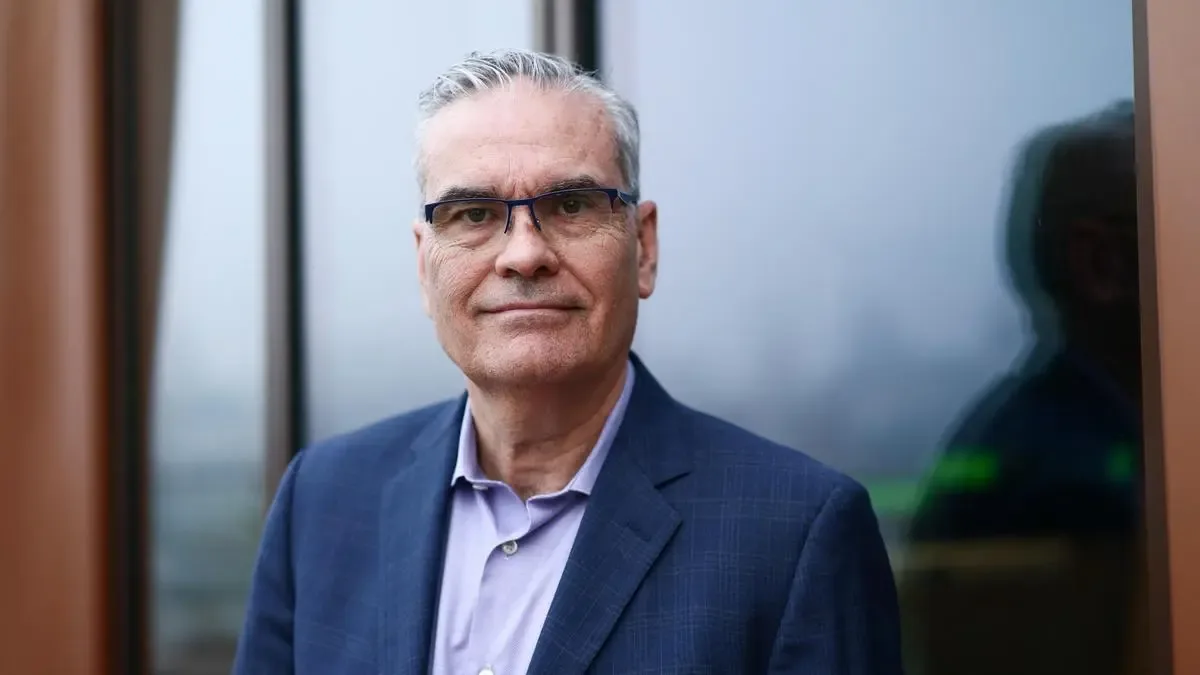
E-commerce now accounts for approximately 40% of Haleon’s business in China, which stands as its second-largest global market. CEO Brian McNamara emphasized during a Bloomberg TV interview in Shanghai that digital platforms are "clearly where consumers are." This digital-first approach builds upon the company's strategic move last year to take full control of its joint venture with Tianjin TSKF Pharmaceutical Co., allowing it to independently scale its over-the-counter (OTC) drug sales in the region.
Spun out from drugmakers GSK Plc and Pfizer Inc. in 2022, Haleon recently faced stock pressure in late February after reporting weaker-than-expected sales attributed to a mild cold and flu season. Despite these headwinds, McNamara noted that core household categories have remained highly resilient with consumers, even amid ongoing inflationary pressures.
The executive also addressed recent market concerns, clarifying that the company has not experienced any negative business impact related to comments from US President Donald Trump linking paracetamol - the active ingredient in Haleon’s Panadol - to autism.
My Take
Haleon's $87.2 million bet on Shanghai is less about traditional manufacturing capacity and more about supply chain proximity to its booming 40% e-commerce segment in China. By localizing production exactly where digital sales are highest, Haleon can drastically reduce fulfillment times and improve profit margins on OTC products. This localized digital strategy sets a clear blueprint for how Western consumer health brands can successfully navigate and dominate the complex Asian digital retail landscape.
Frequently Asked Questions
How much is Haleon investing in the new Shanghai plant?
Haleon is investing £65 million, which translates to approximately $87.2 million, into the new oral health facility.
What percentage of Haleon's China business comes from e-commerce?
E-commerce currently accounts for roughly 40% of the company's total operations in China.
When did Haleon become an independent company?
Haleon was carved out as an independent entity from GSK Plc and Pfizer Inc. in 2022.