For years, doctors have recommended walking and weightlifting to keep bones strong as we age, but new research suggests this conventional advice might be falling short. A comprehensive study reveals that high-intensity exercise for bone health, specifically activities involving explosive movements, triggers significantly stronger early signals of bone formation than traditional routines. A sharp turn on a handball court, it turns out, may do more for your skeletal framework than a long walk.
The research, conducted by Semmelweis University and published in the journal Sports Medicine - Open, reviewed 24 clinical studies involving 1,238 healthy adults. Instead of waiting months to measure changes in bone mineral density, the team tracked blood biomarkers that indicate active bone tissue production. These bone formation markers reveal how the body responds to physical stress within mere weeks.
Dr. Péter Ferdinandy, Vice Rector for Science and Innovations at Semmelweis University, explained that the team's goal was to determine exactly which forms of exercise stimulate bone metabolism most effectively. "What makes our study unique is that we examined not only the type of exercise - whether endurance, resistance, or combined training - but also exercise intensity, frequency, and duration," Dr. Ferdinandy noted.
The most surprising finding was that resistance training did not produce a significant effect on markers of bone metabolism, even though several professional guidelines recommend this type of exercise for maintaining bone health.
- Viktória Barna, Semmelweis University
While lower-intensity activities still offer undeniable cardiovascular benefits, the data indicates they lack the mechanical stimulus required to actively build bone. To help preserve bone strength and reduce the risk of osteoporosis, the researchers identified clear patterns in how different activities impact the body.
How Different Exercises Impact Bone Metabolism
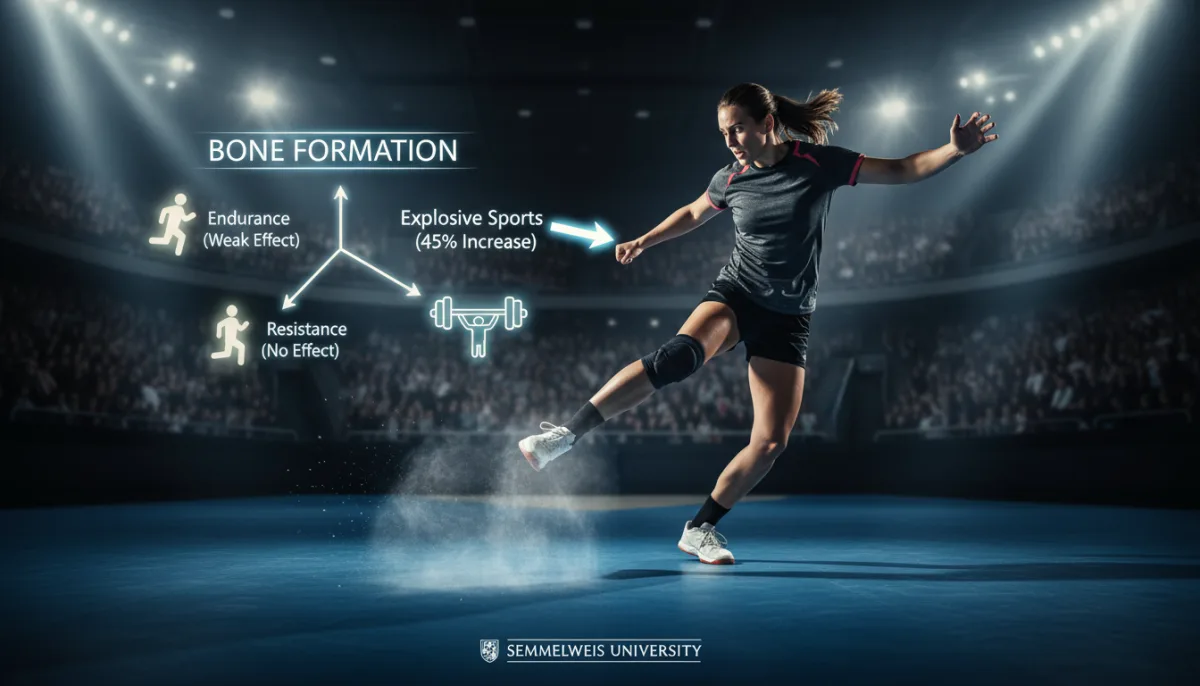
- Explosive Sports: Recreational football and handball, which require sudden turns and rapid changes of direction, increased blood substances linked to bone formation by 45 to 46 percent.
- Resistance Training: Conventional gym workouts with weights showed no meaningful long-term effect on bone metabolism markers.
- Endurance Activities: Low-to-moderate intensity exercises like walking, jogging, and step aerobics produced significantly weaker effects on bone remodeling.
Before overhauling a fitness routine, medical experts urge caution. Individuals should not jump into demanding, high-impact sports without adequate preparation, especially those with existing cardiovascular, musculoskeletal, or metabolic conditions. Consulting a sports medicine specialist or general practitioner is crucial before increasing training intensity to ensure the program is safe.
The Mechanical Stress Threshold
This research fundamentally challenges the "any movement is good movement" approach to skeletal health. By proving that resistance training and walking fail to significantly elevate osteocalcin and other remodeling biomarkers, the study establishes that bones require a specific mechanical stress threshold to trigger adaptation. It is the unpredictability of the movement - the sudden deceleration and lateral forces of a sharp turn - that forces the bone to fortify itself.
Moving forward, public health guidelines will likely need to bifurcate their exercise recommendations. While steady-state cardio remains essential for heart health, osteoporosis prevention programs must incorporate controlled, multi-directional impact drills. For aging populations, this means safely integrating agility exercises or modified racquet sports into their routines, rather than relying solely on the treadmill or the weight room.