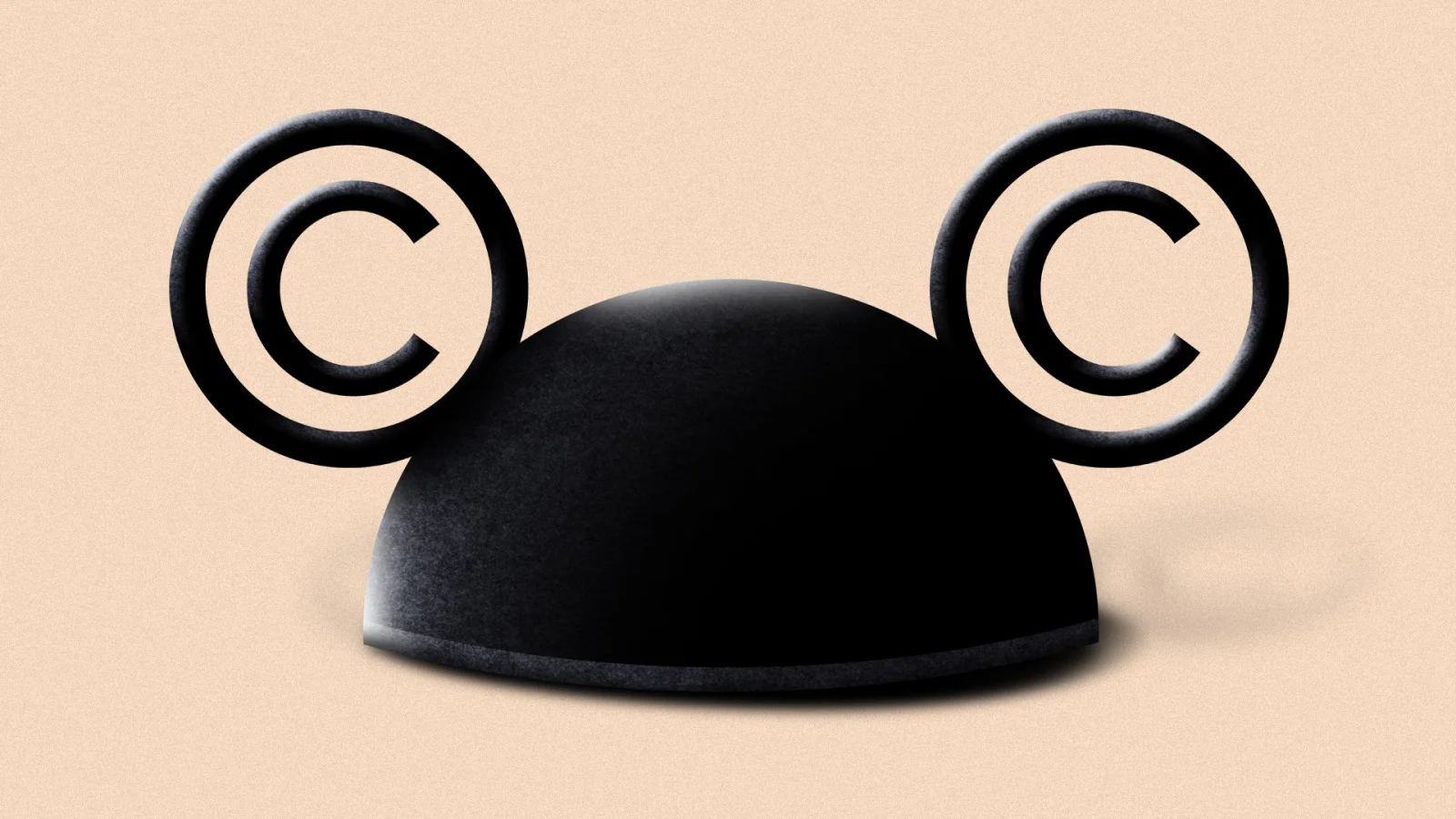
Disney Strikes Back Against ByteDance's Seedance 2.0
On February 13, 2026, The Walt Disney Company sent a cease-and-desist letter to ByteDance, parent of TikTok, alleging the Chinese tech giant unlawfully used Disney's intellectual property to train and power its newly launched AI video generator, Seedance 2.0.
The letter, obtained by Axios, accuses ByteDance of bundling Seedance with a "pirated library of Disney’s copyrighted characters from Star Wars, Marvel, and other Disney franchises, as if Disney’s coveted intellectual property were free public domain clip art."
Disney's external attorney, David Singer, described the actions as a "virtual smash-and-grab of Disney’s IP," willful, pervasive, and unacceptable. He noted examples of infringing videos featuring Spider-Man, Darth Vader, Grogu (Baby Yoda), and Peter Griffin from Family Guy, shared widely on social media.
Hollywood's Swift Backlash
Seedance 2.0 launched on February 12, 2026, and quickly drew condemnation. The Motion Picture Association (MPA), led by CEO Charles Rivkin, demanded ByteDance "immediately halt its infringing actions," citing massive unauthorized use of U.S. copyrighted works in just one day.
The Human Artistry Campaign, backed by SAG-AFTRA and the Directors Guild of America, called Seedance an "attack on every creator worldwide," arguing AI replication of human work undermines cultural integrity.
- Viral videos included a staged fight between Tom Cruise and Brad Pitt, alternate endings to Stranger Things and Titanic.
- Deadpool screenwriter Rhett Reese lamented on X: "It’s likely over for us."
- Disney highlighted commercial exploitation without authorization.
This is Disney's harshest step against ByteDance since Seedance's debut, amid broader Hollywood scrutiny of AI tools.
AI Training and IP Tensions
The core dispute centers on how Seedance was trained. Disney claims ByteDance replicated, distributed, and created derivative works using protected characters, despite public objections.
Seedance has earned praise for realistic video generation from simple prompts, but critics see it as enabling deepfakes that erode creator rights.
Disney isn't anti-AI collaboration; it signed a three-year licensing deal with OpenAI and has pursued similar actions against Google.
ByteDance has not publicly responded, though TechCrunch sought comment.
Implications for Creators and AI Firms
For creators like animators and writers, tools like Seedance raise fears of job displacement. One viral clip's authenticity sparked industry panic, with Reese's comment reflecting human anxiety over AI's rapid advances.
Legally, this tests copyright boundaries in AI training data. Hollywood views unchecked scraping as theft, while AI proponents argue fair use. Disney's letter warns this is "merely the beginning," signaling potential lawsuits.
Broader industry pressure mounts: MPA emphasizes copyright laws supporting millions of U.S. jobs.
ByteDance's Seedance in Context
ByteDance, valued at hundreds of billions, pushes AI aggressively via TikTok's parent. Seedance 2.0 promises high-fidelity videos, positioning it as a splashy contender amid U.S.-China tech rivalry.
Yet, rapid backlash underscores risks. Hollywood's unified frontstudios, guilds, associationscould deter users and partners, forcing ByteDance to add safeguards or face litigation.
Artists and fans alike worry about diluted franchises. Imagine fans generating unauthorized Spider-Man tales; it cheapens official content and burdens IP guardians like Disney.
What's Next in the AI-Hollywwod Clash
ByteDance may comply, remove infringing features, or countersue, escalating to courts. Watch for MPA-led coalitions or U.S. regulations on AI data use.
Disney's move sets precedent: studios willing to license but demand compensation. For humans in creative fields, it affirms protections amid AI's rise, ensuring innovation doesn't erase livelihoods.