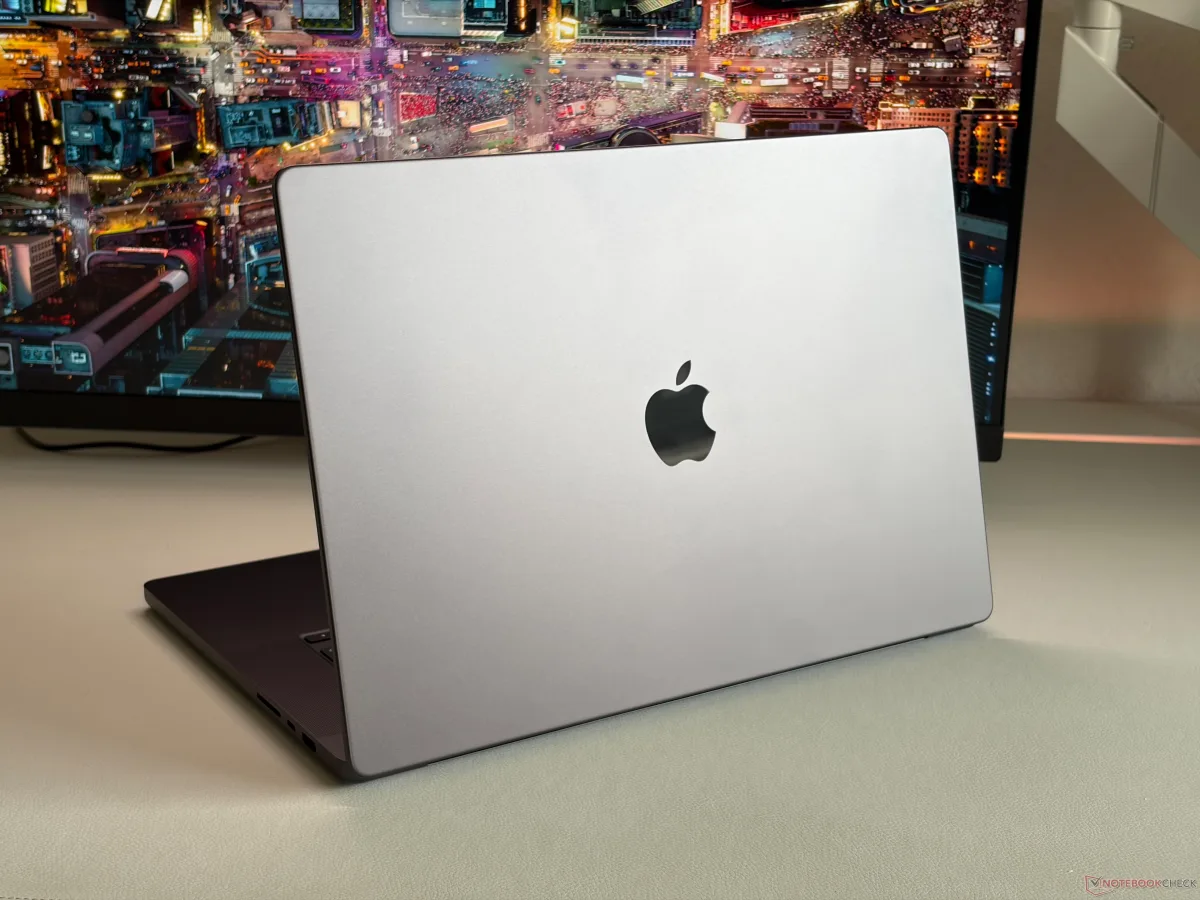
Apple's recent software updates have quietly altered how the M5 Max chip handles sustained workloads on the MacBook Pro 16, leaving some users questioning if their flagship silicon was intentionally throttled. While peak load scenarios remain largely unaffected, longer benchmark tests reveal a noticeable shift in how the system balances power and thermals. According to recent testing, the changes primarily impact the default Automatic power profile, which previously delivered maximum performance without ramping up fan noise.
The performance deficit becomes clear during extended sessions. In a Cinebench 2024 Multi run, which lasts for several minutes, the M5 Max now shows a performance drop of about 5%. The gap widens under heavier sustained loads; the 20-minute Steel Nomad stress test demonstrates a performance drop of 13%. While these adjustments are relatively minor compared to the aggressive throttling seen on the smaller MacBook Pro 14, they fundamentally change the out-of-the-box experience for heavy users.
How to Restore Peak M5 Max Performance
To bypass this new limitation during sustained workloads, users must manually adjust their system settings. To maintain maximum output without throttling during extended tasks, you must switch away from the default Automatic mode.
Navigate to your Mac's power settings and enable High Power mode. Interestingly, fan noise levels remain unaffected by the software update itself, meaning you will experience louder acoustics in this mode compared to the pre-update Automatic setting, but you will regain the lost 13% in sustained performance.
The End of the "Do-It-All" Default Profile
This adjustment feels less like planned obsolescence and more like a necessary bug fix to justify macOS power profiles. Before this update, the Automatic mode offered a "best of both worlds" scenario: full M5 Max performance combined with quieter fans, which made the existence of a dedicated High Power mode somewhat redundant for the MacBook Pro 16.
By introducing a tangible performance gap between the two modes, Apple is forcing a deliberate choice between acoustic comfort and raw sustained power. While the Automatic mode remains an excellent choice for most workflows, professionals relying on continuous rendering or compiling will now have to accept the louder fan noise of High Power mode to get the exact performance they paid for.
This article was written by AI from reporting by notebookcheck.net.