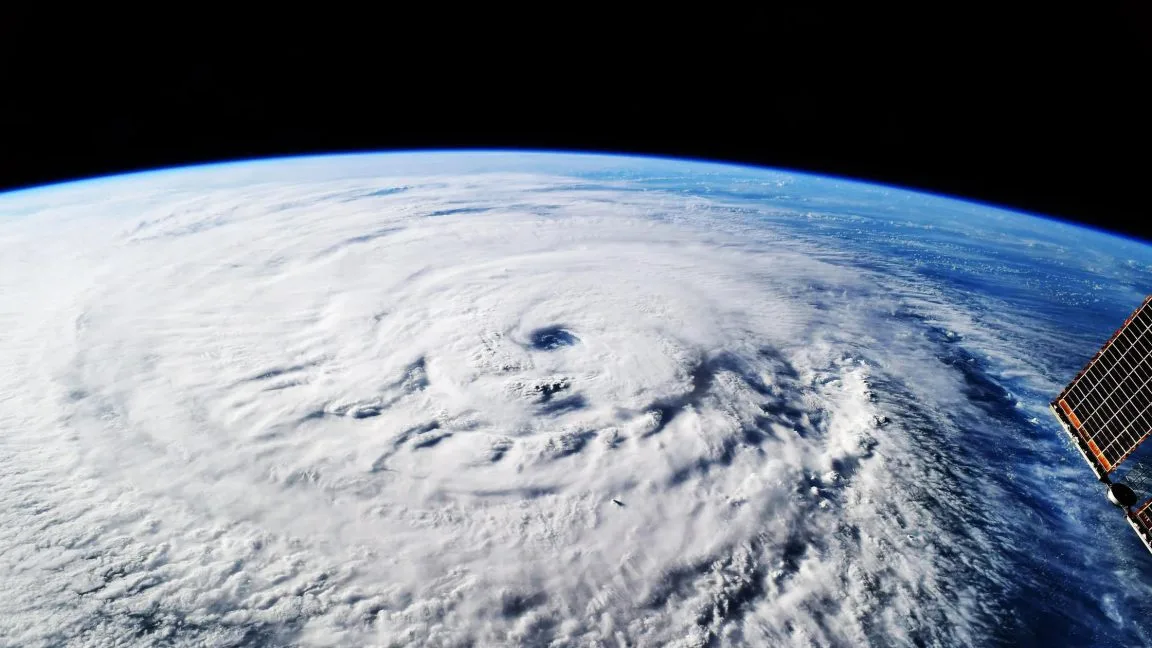
Google DeepMind is fundamentally changing how meteorologists track severe storms with its newly open-sourced WeatherNext AI model. By successfully predicting hurricane intensity using lower-resolution weather data, the system has uncovered patterns that previously eluded traditional physicists. The AI operates as a black box, picking up on unidentified signals in the data to forecast storm behavior with surprising accuracy.
"It’s a black box at the end of the day, but that gives physicists a signal that something is happening that was not previously understood," researcher Alet explained. To capture the unpredictable butterfly effect where minor deviations cause massive shifts, WeatherNext now generates 1,000 potential scenarios for a developing storm. This is a massive leap from the 50 scenarios it produced just last year, offering a scale of prediction that existing numerical models simply cannot match with current computing power.
Despite this massive leap in computational forecasting, experts warn that AI cannot replace human meteorologists. Forecasters must still translate these complex tracks and intensity predictions into real-world impact warnings for local populations. Brennan emphasized that while the model is a great new tool, the human element remains critical. "A hurricane is not just a track or an intensity forecast," he warned. "It requires experts to translate that into what the impacts are going to be - and it’s the impacts that kill people."
To accelerate further breakthroughs, Google DeepMind has officially open-sourced the WeatherNext models, allowing the global research community to study its methods and potentially uncover new laws of physics governing cyclones.
I’m very excited about scientific discovery. I think AI is giving us new tools to poke into the laws of the universe.
- Alet, Google DeepMind
The Hidden Physics of AI Forecasting
The decision to open-source the WeatherNext model is more than just a gesture of scientific goodwill; it is a strategic move to solve the black box problem inherent in machine learning. By allowing global researchers to dissect how the model achieves such high accuracy with lower-resolution data, DeepMind is effectively crowdsourcing the discovery of new meteorological physics. If scientists can reverse-engineer the signals the AI is detecting, it could lead to a fundamental rewrite of how we understand atmospheric thermodynamics.
Furthermore, the jump from 50 to 1,000 scenarios per storm highlights a critical shift in computational priorities. Traditional numerical models are bottlenecked by raw computing power, but AI inference allows for massive scenario generation at a fraction of the computational cost. This means future forecasting will likely rely entirely on AI for volume and probability mapping, while human experts dedicate their resources exclusively to impact translation and emergency response.