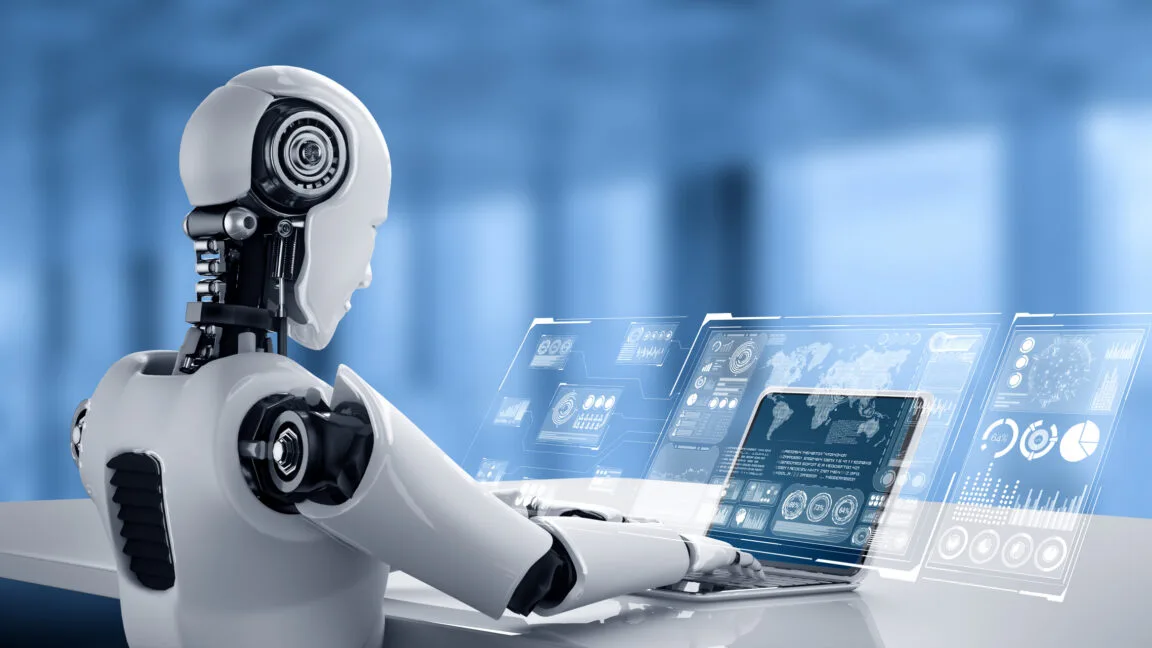
The era of **Claude Code computer control** has officially arrived, allowing Anthropic's AI to directly point, click, and navigate your desktop to complete complex tasks. Designed for developers and power users, this major update transforms Claude from a conversational assistant into an active, hands-free operator, though it introduces significant new security considerations for personal data. By enabling the AI to interact with the operating system exactly as a human would, Anthropic is bridging the gap between generating code and actually executing workflows.
Anthropic announced that both Claude Code and its consumer-focused counterpart, Claude Cowork, can now autonomously open files, operate web browsers, and execute developer tools. The feature is currently rolling out as a "research preview" exclusively for Claude Pro and Max subscribers using MacOS. While the AI will prioritize using Connectors to interface directly with outside applications and data sources, it can now request permission to visually explore the machine when direct APIs are unavailable. Furthermore, users can initiate and manage these desktop actions remotely using Claude’s Dispatch tool, provided the target computer remains powered on.
Handing over the mouse and keyboard to an AI agent comes with inherent risks, especially given recent industry-wide security incidents involving autonomous models. Anthropic explicitly warns that the system is slower and more error-prone than using Connectors, often requiring a second attempt for complex workflows. Because the AI can see everything visible on the screen - including private documents and sensitive information - Anthropic strongly advises users to stick to trusted applications during this preview phase.
To mitigate potential disasters, Anthropic notes on a support page that it has implemented specific safeguards, though the company admits these protections "aren't absolute." The model is explicitly trained to block prompt injection attacks and restrict the following actions:
- Accessing "off limits" applications by default, such as investment platforms and cryptocurrency wallets.
- Executing risky operations like moving financial assets or modifying critical system files.
- Scraping facial images or inputting highly sensitive personal data.
This release places Anthropic in the middle of a rapidly escalating arms race for OS-level AI dominance. The launch follows closely on the heels of similar desktop-control agents, including Perplexity’s Personal Computer, Manus’s My Computer, and Nvidia’s NemoClaw. The corporate rush was largely catalyzed by the viral success of OpenClaw earlier this year, which ultimately led OpenAI to hire OpenClaw creator Peter SteinBerger to spearhead their own next-generation personal agents.
My Take
The transition from text-based chatbots to autonomous desktop operators marks the most significant paradigm shift in AI since the launch of generative models. By giving Claude Code computer control, Anthropic is acknowledging that the future of productivity isn't about better prompting; it's about delegating entire workflows. However, the reliance on visual screen navigation rather than deep API integration highlights a temporary bridge in AI architecture. Visual clicking is inherently fragile and prone to breaking if a UI element shifts, which explains exactly why Anthropic still prefers its Connectors when available.
The security implications of this "research preview" cannot be overstated. Anthropic's candid admission that its safeguards against accessing crypto wallets or moving money "aren't absolute" is a stark warning for early adopters. We are entering a phase where the convenience of having an AI sort your files or run your dev tools directly competes with the zero-trust security models most enterprises require. Until operating systems develop native, sandboxed permission layers specifically designed for AI agents, using tools like Claude Cowork will require a high degree of user vigilance.