Fentanyl and its synthetic opioid variants now claim more lives annually in the United States than car crashes and gun violence combined, often triggering fatal respiratory failure before standard overdose reversal treatments can be administered. Now, an experimental fentanyl vaccine developed by Scripps Research is flipping the script. Instead of reacting to an overdose after the fact, the vaccine trains the immune system to neutralize an entire class of deadly designer drugs before they ever reach the brain.
This breakthrough is critical for public health officials, addiction recovery programs, and individuals at high risk of opioid exposure. By shifting the medical strategy from reactive emergency treatments to proactive immunological defense, this approach could fundamentally alter how society combats the synthetic opioid crisis.
Training the Immune System Against Designer Drugs
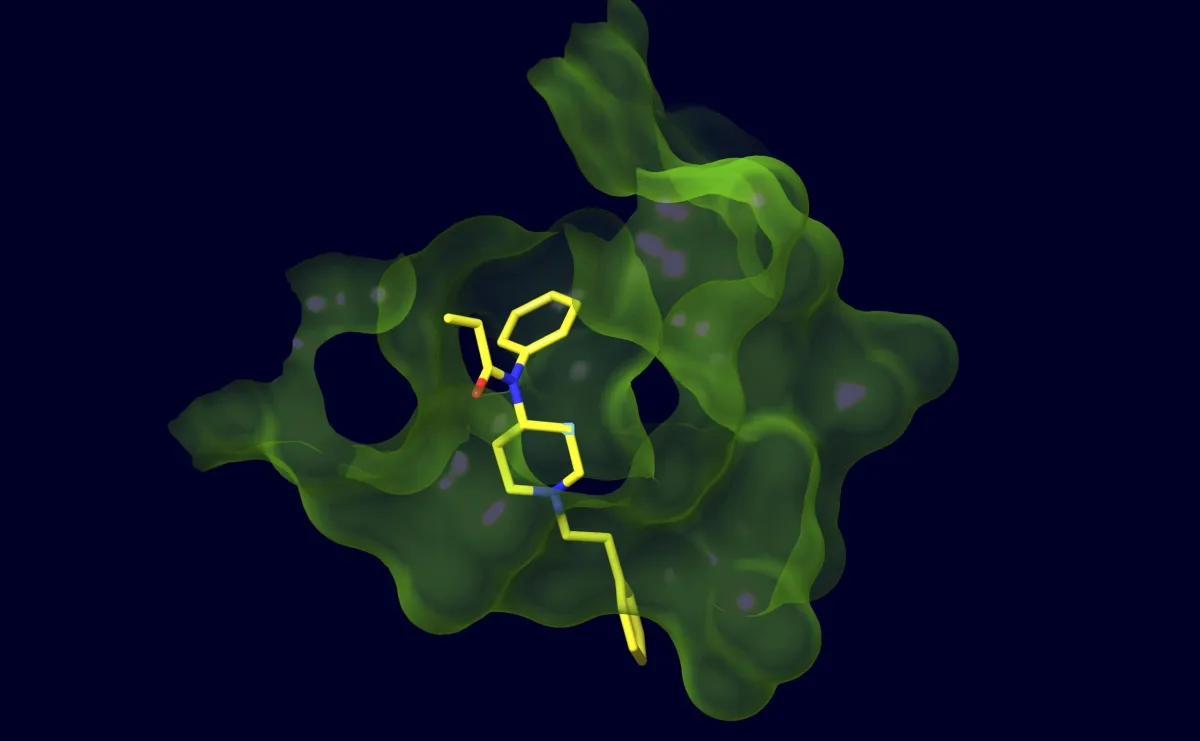
For years, scientists have struggled to develop effective vaccines because traditional methods require using the exact drug - or a nearly identical chemical imitation - to teach the immune system what to target. This approach forces researchers to play a constant game of catch-up as underground chemists tweak formulas to evade regulations. To solve this, the Scripps Research team engineered a modified molecule with a different core structure that shares key features with fentanyl, linking it to a carrier protein.
What this research shows us is that we don't have to keep playing catch-up with every new synthetic designer drug that emerges. By training the immune system to recognize the entire fentanyl class - not just individual structures - we can stay ahead of illicit drug traffickers.
- Kim Janda, Ely R. Callaway, Jr. Professor of Chemistry, Scripps Research
The researchers administered four vaccine doses to mice over an eight-week period, yielding unexpected results. The immune system did not need an exact chemical copy to produce protective antibodies; instead, it learned to recognize a broader molecular signature shared across the fentanyl family. "When we started testing this molecule as a vaccine component, we honestly didn't know if it would work," explained Arran Stewart, a research associate and first author of the study published in the Journal of Medicinal Chemistry. "The conventional wisdom says that to get the immune system to recognize fentanyl, you have to use something that looks like fentanyl. We were doing the opposite."
Broad Protection and Brain Level Reductions
When tested against multiple synthetic opioids, the vaccine demonstrated remarkable precision. It successfully generated antibodies that strongly bound to fentanyl and several highly dangerous variants, while deliberately ignoring standard medical treatments. The specific interactions include:
- Blocked Threats: The vaccine neutralized fentanyl, carfentanil, China White, acetylfentanyl, and furanylfentanyl.
- Ignored Medical Opioids: The antibodies did not react to commonly used clinical painkillers such as morphine, oxycodone, remifentanil, and alfentanil.
The protective effects translated directly to physiological survival. Vaccinated mice maintained nearly normal breathing after receiving doses of fentanyl that would typically cause severe respiratory depression. Furthermore, testing revealed that fentanyl levels in the brains of the vaccinated mice were approximately 70% lower than those in unvaccinated animals.
A Paradigm Shift in Addiction Medicine
The strategic brilliance of this vaccine lies in its selective targeting. The fact that the antibodies ignore standard medical opioids like morphine and oxycodone is a massive clinical advantage. It means that if a vaccinated patient in recovery is involved in a severe accident, emergency responders can still administer traditional pain management without the vaccine blocking the medication's effects.
Furthermore, by targeting the broader structural signature rather than a specific molecule, this research effectively future-proofs the treatment against black-market drug makers. As illicit labs inevitably synthesize new fentanyl variants to skirt standard drug screenings, this vaccine's broad-class recognition ensures the immune system is already prepared to neutralize the threat. If human clinical trials prove successful, this could transition addiction treatment from a purely behavioral and reactive discipline into a proactive immunological defense.