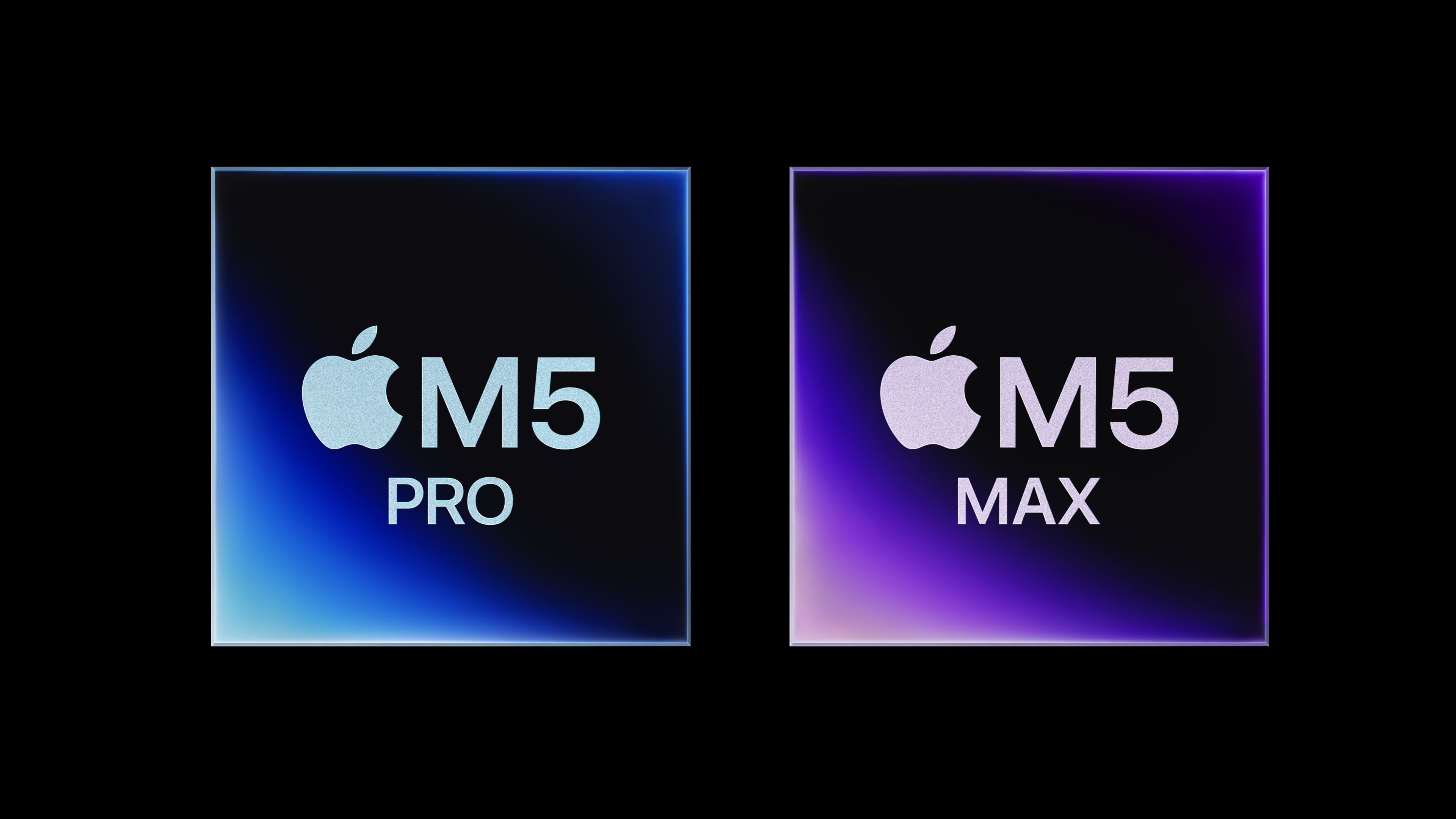
The first Geekbench 6 benchmark results for the 16-inch MacBook Pro equipped with the Apple M5 Max chip have surfaced, revealing record-breaking performance metrics. This unconfirmed data indicates that the new 18-core CPU configuration not only surpasses its direct predecessors but also outperforms the formidable M3 Ultra, establishing a new high-water mark for consumer PC processors. For creative professionals and developers, this translates to unprecedented rendering and compiling speeds in a portable laptop form factor.
According to the leaked Geekbench database entry, the M5 Max with an 18-core CPU achieved a staggering multi-core score of 29,233. This result officially tops the 27,726 average score held by the Mac Studio equipped with the 32-core M3 Ultra chip. By achieving these numbers, the M5 Max is now positioned as the fastest Apple silicon chip ever tested, effectively beating every other consumer PC processor currently listed in the Geekbench database.
Multi-Core Performance Breakdown
When analyzing the multi-core CPU performance, the M5 Max demonstrates a clear generational leap. The new chip is up to 5% faster than the M3 Ultra and delivers a 14% to 15% performance increase over the previous generation M4 Max chip featuring a 16-core CPU. This level of power efficiency and architectural scaling highlights Apple's continued dominance in custom silicon design.
| Device & Chip Configuration | Geekbench 6 Multi-Core Score |
|---|---|
| 16-inch MacBook Pro with M5 Max (18-core CPU) | 29,233 (Single Result) |
| Mac Studio with M3 Ultra (32-core CPU) | 27,726 (Average) |
| Mac Studio with M4 Max (16-core CPU) | 26,166 (Average) |
| 16-inch MacBook Pro with M4 Max (16-core CPU) | 25,702 (Average) |
In terms of single-core CPU performance, the 18-core M5 Max recorded a score of 4,268. This aligns perfectly with the standard M5 chip found in the base model 14-inch MacBook Pro that launched in October. Notably, this stands as the highest single-core score of any consumer PC processor ever recorded, successfully topping the AMD Ryzen 9 series.
Graphics and Metal Scores
The graphics capabilities of the new silicon are equally impressive. The M5 Max, equipped with a 40-core GPU, achieved Metal scores of 218,772 in one test and 232,718 in another. While these graphics scores are approximately 5% to 10% lower than the highest-end M3 Ultra's average Metal score of 245,053, they represent a significant leap forward for laptop graphics. The M5 Max scores are over 20% higher than the highest-end M4 Max's average Metal score of 191,600.
Overall, the benchmark results confirm that the M5 Max delivers up to 15% faster CPU performance and up to 20% faster GPU performance compared to the M4 Max. These independent test results fall perfectly in line with Apple's advertised figures. Consumers looking to upgrade can pre-order the new MacBook Pro models with M5 Pro and M5 Max now, with official store availability and customer deliveries beginning on March 11.
Frequently Asked Questions
When will the M5 Max MacBook Pro be available?
The new MacBook Pro models are available for pre-order now and will officially launch in stores and begin arriving to customers on March 11.
How does the M5 Max compare to the M3 Ultra?
In multi-core CPU performance, the 18-core M5 Max scored 29,233, making it up to 5% faster than the 32-core M3 Ultra. However, the M3 Ultra still holds a slight 5% to 10% edge in GPU Metal scores.
My Take
The fact that a laptop processorthe M5 Maxcan outperform a desktop-class workstation chip like the M3 Ultra in multi-core CPU tasks is a monumental achievement for Apple's silicon engineering team. The 29,233 multi-core score proves that the thermal constraints of the 16-inch MacBook Pro chassis are no longer a bottleneck for desktop-level performance. For high-end video editors and 3D artists, this effectively eliminates the need to be tethered to a Mac Studio for heavy workloads. As Apple continues to refine its architecture, the gap between portable and desktop computing power has essentially vanished.
This article was written by AI from reporting by macrumors.com.