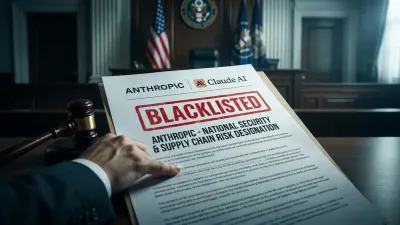
The Anthropic Claude Code leak accidentally triggered a massive wave of DMCA takedowns on GitHub, temporarily wiping out over 8,100 repositories in a frantic attempt to contain the exposure. The chaos erupted after a software engineer mistakenly included the proprietary source code for the Claude Code command-line application in a recent public release. This blunder not only exposed the inner workings of the category-leading AI tool but also disrupted thousands of legitimate developers whose projects were caught in the crossfire.
For AI developers and open-source contributors relying on GitHub, this incident highlights the fragile nature of automated copyright enforcement. The leaked code provided AI enthusiasts with an unexpected look into how Anthropic harnesses the Large Language Model (LLM) underlying its application. However, the aggressive takedown sweep mistakenly targeted legitimate forks of Anthropic's own publicly released Claude Code repository, sparking outrage across social media platforms.
How the GitHub Takedown Unfolded
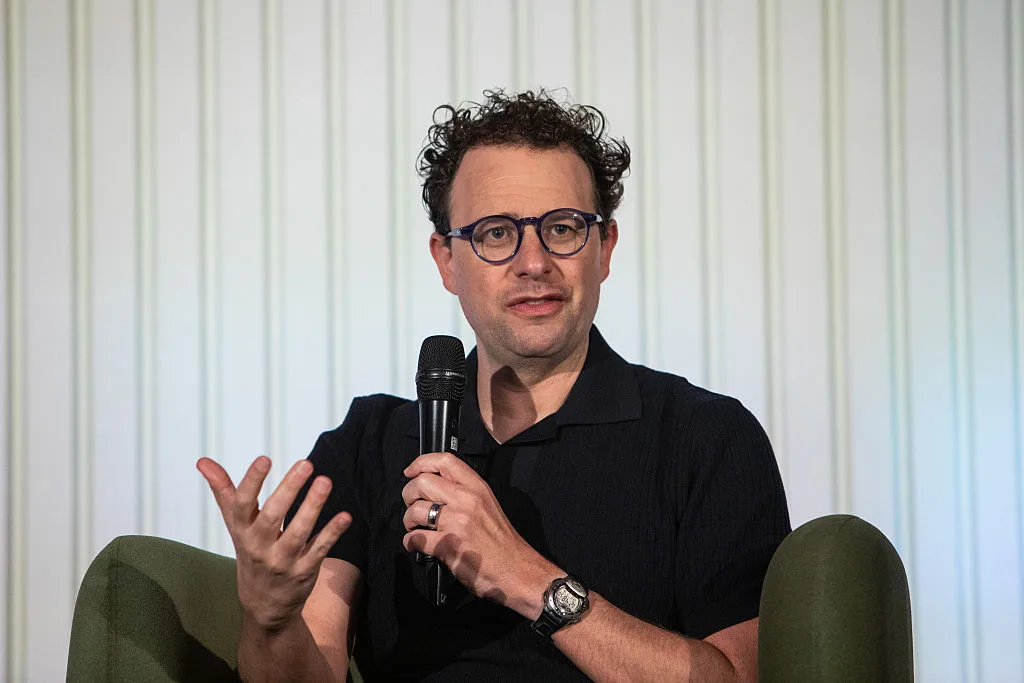
According to official GitHub records, the initial DMCA notice was executed against approximately 8,100 repositories. The sweeping action blocked access for numerous developers who had legally forked the public version of the repository. Boris Cherny, the head of Claude Code at Anthropic, quickly addressed the backlash, stating that the widespread takedown was entirely accidental.
An Anthropic spokesperson clarified that the targeted repository was part of a larger fork network connected to their public Claude Code repo. Because of this structural connection, the automated takedown reached far more repositories than the company originally intended. In response to the developer outcry, Anthropic retracted the bulk of the notices, narrowing the enforcement down to just one primary repository and 96 specific forks that contained the accidentally released source code.
What Developers Need to Know
- Check Repository Status: If your fork of the public Claude Code repository was blocked, GitHub has already restored access to the affected projects following the retraction by Anthropic.
- Understand the Scope: The active DMCA takedown now only applies to the single offending repository and 96 specific forks that host the proprietary leaked code.
- Monitor Compliance: Developers should ensure their forks do not inadvertently host the leaked proprietary command-line application code to avoid future enforcement actions.
The Broader Impact on Anthropic's IPO Ambitions
This botched clean-up effort serves as a significant black eye for Anthropic, especially as the AI giant reportedly prepares for an Initial Public Offering (IPO). Transitioning into a public company demands flawless execution, strict compliance, and robust internal security protocols. Leaking proprietary source code - and subsequently alienating the developer community with a reckless DMCA sweep - raises serious questions about the company's operational maturity.
Furthermore, the incident exposes the inherent risks of relying on broad DMCA notices within interconnected platforms like GitHub. By targeting a repository deeply embedded in a fork network, Anthropic inadvertently weaponized copyright law against its own user base. If the company hopes to maintain developer trust and secure a favorable market valuation, it must implement stricter safeguards to prevent both code leaks and the collateral damage of automated legal enforcement.
This article was written by AI from reporting by app.buzzsumo.com.