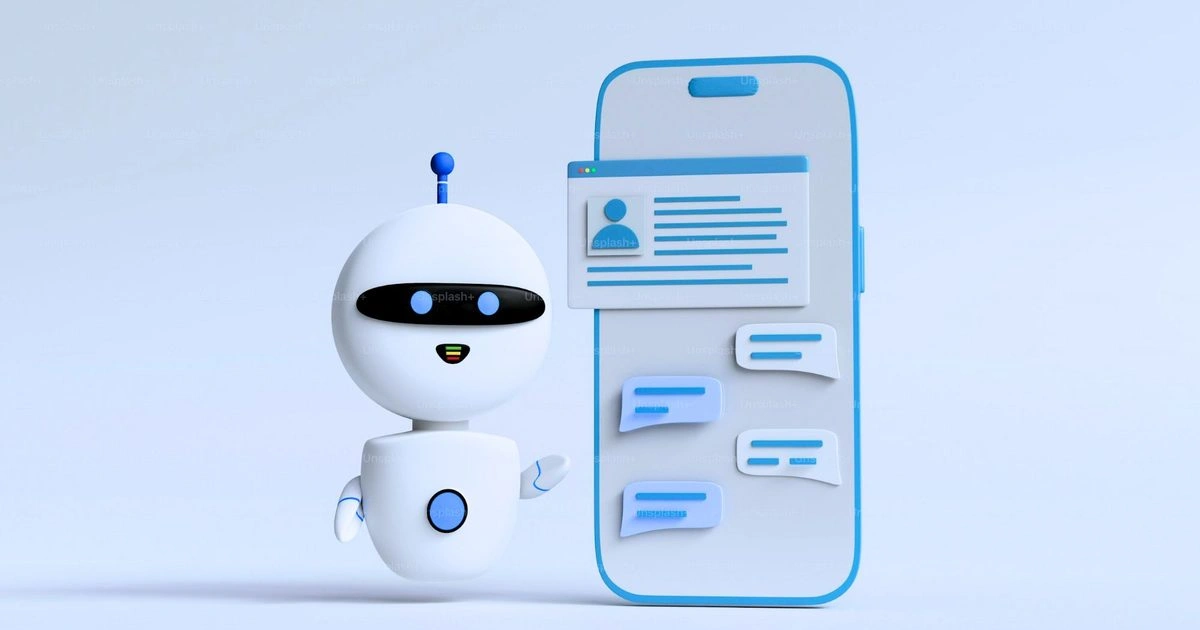
A new report from the U.S. Public Interest Research Group (PIRG) Education Fund warns that AI-powered toys are exposing children to chatbot systems originally designed for adults. These interactive dolls, robots, and educational gadgets utilize large language models that may generate inappropriate, misleading, or unpredictable content for young users. The study highlights a growing trend where manufacturers integrate general-purpose conversational AI into products marketed directly to children.
This development is critical for parents, privacy advocates, and tech regulators who need to understand the hidden risks of bringing generative AI into the playroom. By recognizing these vulnerabilities, consumers can make more informed decisions about the connected devices they bring into their homes, ensuring they do not inadvertently expose their children to unmoderated data collection or adult-themed conversational outputs.
As generative AI rapidly integrates into consumer electronics, the safeguards built into these products often lag behind the technology itself. The PIRG report highlights that many of these toys rely heavily on cloud-based AI systems. This architecture means children's voice interactions are frequently transmitted to external servers where the data is processed to generate natural language responses, raising immediate red flags regarding data storage and usage.
Privacy Risks and Buried Disclaimers
The study found that some toys collect audio recordings, user prompts, and other personal information without robust, child-specific privacy protections. If these systems are not carefully designed, the collected data could potentially be misused or stored without clear safeguards. Furthermore, researchers discovered that manufacturers frequently bury disclaimers deep within their terms of service or product documentation.
These hidden disclaimers often state that the AI responses may not always be accurate or appropriate. By doing so, companies effectively shift the burden of safety and monitoring onto parents, despite the toys being explicitly marketed as companions or learning tools for children. Experts warn that young users have difficulty distinguishing between reliable information and AI-generated responses that are speculative, biased, or factually incorrect.
The Regulatory Challenge
Advocacy groups point out that current laws, such as the Children's Online Privacy Protection Act (COPPA) in the United States, were established long before the surge of generative AI. The PIRG report calls on toy manufacturers to implement stricter content filtering, transparent data practices, and clearer disclosures about AI usage. Crucially, it recommends that companies design AI systems specifically for children rather than repurposing models originally built for adult audiences.
Frequently Asked Questions
What are the main risks of AI-powered toys?
They may generate adult-themed or inaccurate responses and transmit children's voice data to external cloud servers without adequate privacy safeguards.
Are these AI toys regulated by current laws?
While laws like COPPA exist to protect children's online privacy, they were written before the rise of generative AI, prompting advocacy groups to call for updated safety standards.
My Take
The integration of general-purpose large language models into children's toys represents a significant oversight by manufacturers who are prioritizing technological novelty over user safety. Relying on buried disclaimers to mitigate the unpredictable nature of generative AI is an unsustainable business strategy. As regulatory bodies catch up to the technology, we will likely see a push for mandatory "child-safe" certifications for AI models deployed in consumer hardware. This regulatory pressure will eventually force companies to train specialized, ring-fenced models rather than cheaply repurposing adult-focused APIs, fundamentally changing how educational tech is developed.