

Table of Contents
Exploring Humanity's Martian Ambitions
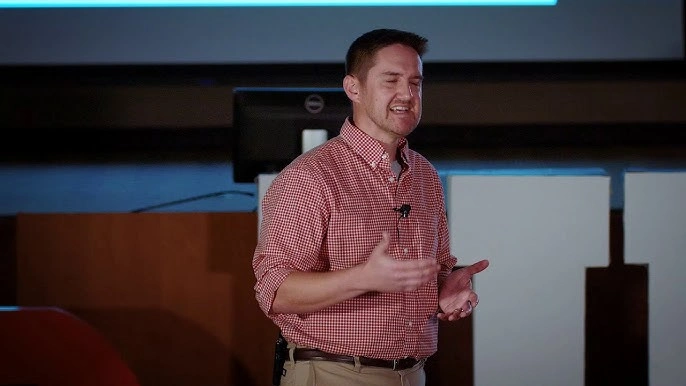
In the latest episode of the popular This Week In Space podcast, hosts Rod Pyle and Tariq Malik sit down with Scott Solomon, a professor and researcher at Rice University, to unpack the profound question of humanity's expansion beyond Earth. Titled "Becoming Martian!" Episode 196 delves into the biological, technological, and societal hurdles of establishing a permanent human presence on the Red Planet.
Scott Solomon's Expertise
Scott Solomon brings a unique perspective to the discussion. As a biologist specializing in evolutionary ecology, he examines how humans might adaptor need to be adaptedto survive on Mars. His work at Rice University focuses on biodiversity and resilience in extreme environments, drawing parallels between Earth's harshest ecosystems and the Martian surface. Solomon's insights highlight the podcast's theme: for humans to truly "become Martian," we must rethink our biology in the context of a planet with thin atmosphere, intense radiation, and no breathable air.
Key Topics Covered
- Biological Adaptation: Solomon discusses genetic engineering and microbiome modifications to help humans withstand Mars' low gravity, toxic soil, and radiation. He references ongoing research into closed-loop life support systems that mimic Earth's ecosystems.
- Technological Frontiers: The conversation touches on NASA's Artemis program and SpaceX's Starship developments, emphasizing reusable rockets and in-situ resource utilization (ISRU) for producing fuel and oxygen from Martian resources like water ice and CO2.
- Energy Challenges on Mars: A critical focus is energy sources for Martian habitats. Solar power faces dust storms and weak sunlight, pushing innovations in nuclear microreactors and advanced batteries. Solomon notes how compact fission reactors could provide reliable baseload power, essential for growing food and manufacturing.
- Psychological and Social Factors: Long-term isolation requires new social structures. The podcast explores crew selection, virtual reality for mental health, and multi-generational planning.
These topics align with broader space exploration goals. NASA's Perseverance rover has already identified potential energy-rich resources, while private ventures like SpaceX aim for crewed missions by the late 2020s. Solomon stresses that energy independence is non-negotiablewithout scalable sources, colonies remain science fiction.
Context in Space Exploration
The podcast arrives amid accelerating Mars ambitions. In 2025, SpaceX conducted successful Starship orbital tests, paving the way for uncrewed Mars landings. Meanwhile, NASA's Mars Sample Return mission underscores the planet's scientific value, from past habitability to resource mapping for future outposts. Solomon's analysis adds depth, warning that unchecked expansion could harm Mars' pristine environment, advocating for planetary protection protocols.
Implications for Energy Innovation
Becoming Martian demands breakthroughs in energy tech. Traditional solar panels yield only 40% of Earth's efficiency on Mars due to distance from the Sun. Emerging solutions include Kilopower reactorssmall nuclear systems delivering 1-10 kW continuouslyand perovskite solar cells for better low-light performance. These tie into Earth-based renewable advances, where space tech often spins off benefits like improved batteries for EVs and grids.
The episode underscores a pivotal shift: space isn't just exploration; it's a testing ground for sustainable energy. Solomon argues that mastering Mars energy could solve terrestrial challenges, from remote powering to climate-resilient grids.
Why Listen?
At around 60 minutes, Episode 196 blends accessible science with visionary thinking. Pyle, a space historian, and Malik, former Space.com editor, guide the talk expertly. Listeners gain not just facts but a roadmap for humanity's multi-planetary future. Available on major podcast platforms, it's essential for space enthusiasts tracking the 2030s Mars timeline.
As we stand on the cusp of solar system expansion, discussions like this remind us: adapting to Mars starts with understanding our limits and innovating beyond them.