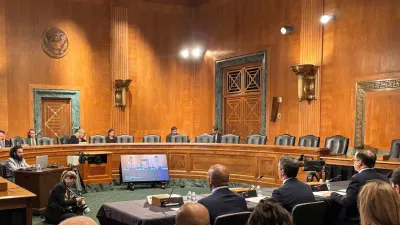
The Digital Asset Market Clarity Act, a landmark bill designed to integrate crypto assets into the mainstream economy and prevent another FTX-style collapse, is currently on life support. According to a new analysis by Columbia Business School adjunct professor Omid Malekan, the legislation's stall is largely driven by a vicious interference campaign from the traditional banking industry. Despite Polymarket odds showing only a 25% chance of passage this year, the core issue isn't the crypto framework itself, but rather the banking sector's fear of stablecoin competition.
The friction stems from the previously passed Genius Act, which banned direct interest payments to stablecoin customers but left a loophole for third parties to reward clients using assets like USDC. Although the Clarity Act was not originally focused on stablecoins, banking lobbyists have effectively held the bill hostage. They argue that competition for deposits from crypto firms could erode their ability to create credit for farmers and small businesses.
Malekan dismantles this protectionist narrative by pointing to the banking sector's unprecedented profitability. Last year, the industry generated $740 billion in net-interest income (NII) - a figure larger than the GDP of Australia or the combined net income of the "Magnificent Seven" tech giants. To highlight the disconnect between the banking lobby's claims and reality, the report outlines several key data points:
- Record Profit Margins: Institutions like J.P. Morgan generated nearly $100 billion in NII last year, paying virtually nothing to depositors while charging nearly 20% on credit card loans.
- Limited Credit Creation: Traditional banks account for only 20% of credit creation in the U.S., with the largest institutions lending out only half of the money they get from deposits.
- Capital Allocation: Rather than funding small businesses, banks frequently park deposits at the Federal Reserve or purchase Treasuries.
I’ve spent a lot of time thinking about this but have no idea why America loves its banks so much, even though the banks clearly don’t love it back. Maybe it’s a form of Stockholm syndrome.
- Omid Malekan, Columbia Business School
The banking lobby consistently argues against granting FinTech and crypto firms equal access to government-run infrastructure, citing safety and soundness. However, Malekan notes the irony that the same industry responsible for the collapses of Lehman Brothers and Silicon Valley Bank (SVB) is now positioning platforms like PayPal and crypto networks as the primary systemic risks.
The Populist Backlash Waiting for Wall Street
The banking sector's aggressive campaign to regulate stablecoins to death while simultaneously lobbying for its own deregulation is a high-risk strategy. By demanding to be treated as a protected public utility performing a vital social service, banks are inadvertently inviting utility-style restrictions. If lawmakers apply the industry's own logic, the backlash could manifest in severe regulatory crackdowns on traditional finance.
Malekan warns that this could include European-style caps on credit card swipe fees, windfall taxes on net-interest margins, or even the reinstatement of the Glass-Steagall Act to separate retail banking from high-risk trading. Ultimately, weaponizing legislation against crypto competitors like USDC may force Congress to reevaluate the massive subsidies and monopolies enjoyed by traditional banks, turning their anti-fintech crusade into a costly self-inflicted wound.