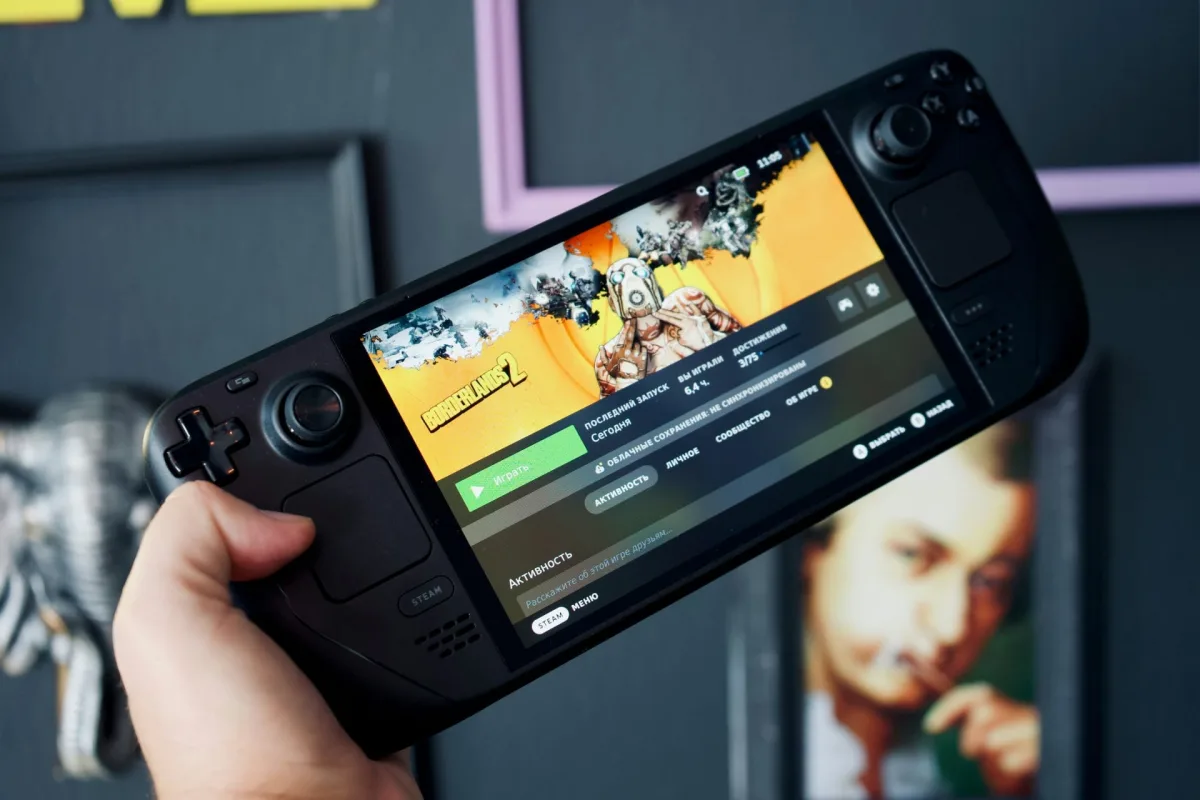
PC gamers using the Steam Deck and other Linux-based handhelds are about to experience significantly smoother gameplay. A new set of patches for the AMD P-State driver on Linux is rolling out to fix abrupt frame drops and stuttering, boosting 1% low frame rates by up to 31.8%.
This optimization arrives just as Linux surpasses a historic 5% market share, an achievement largely driven by Valve's aggressive push into the handheld gaming space. The core of this update is the introduction of the Energy Performance Preference (EPP) feature, designed to manage how AMD processors behave under fluctuating workloads.
Traditionally, when a game renders a less demanding scene, the CPU drops its frequency to save power. However, when the game suddenly requires rapid processing again, the hardware's slight delay in ramping back up causes noticeable stuttering.
How the 10ms Polling Rate Eliminates Stutter
The new dynamic system completely rewrites this CPU behavior. The AMD P-State driver now monitors the workload every 10 milliseconds. If it detects a 50% or higher load on a specific core, the system instantly forces maximum performance.
Crucially, it maintains this high-power state for 300 milliseconds after the last spike in intense activity. This buffer prevents the CPU from prematurely throttling down, ensuring that sudden bursts of action do not result in dropped frames.
Civilization VI Benchmarks and Real-World Impact
Practical testing on the Steam Deck using Civilization VI highlights the sheer effectiveness of this patch. The 1% low FPS - the metric that dictates the actual feeling of smoothness and stutter-free gaming - saw an impressive 31.8% improvement.
During the benchmark, the primary CPU core remained occupied 98% of the time. Without the EPP correction, the average CPU frequency hovered at a modest 2.43 GHz. With the patch active, the processor successfully locked at 3.5 GHz whenever required, ensuring a highly stable experience.
The End of Handheld Micro-Stutters
This AMD P-State patch is a game-changer for the handheld ecosystem because it targets the exact metric that ruins portable gaming: micro-stutters. Chasing high average frame rates is meaningless if the 1% lows are constantly dipping, causing jarring visual hiccups.
By aggressively holding the 3.5 GHz clock speed during that critical 300ms window, Valve and AMD are prioritizing frame pacing over aggressive power saving. Furthermore, while the Steam Deck is the immediate beneficiary, this Linux-level optimization will inevitably cascade down to other AMD-powered handhelds running custom Linux distributions, cementing Linux as a hyper-optimized platform for mobile PC gaming.