

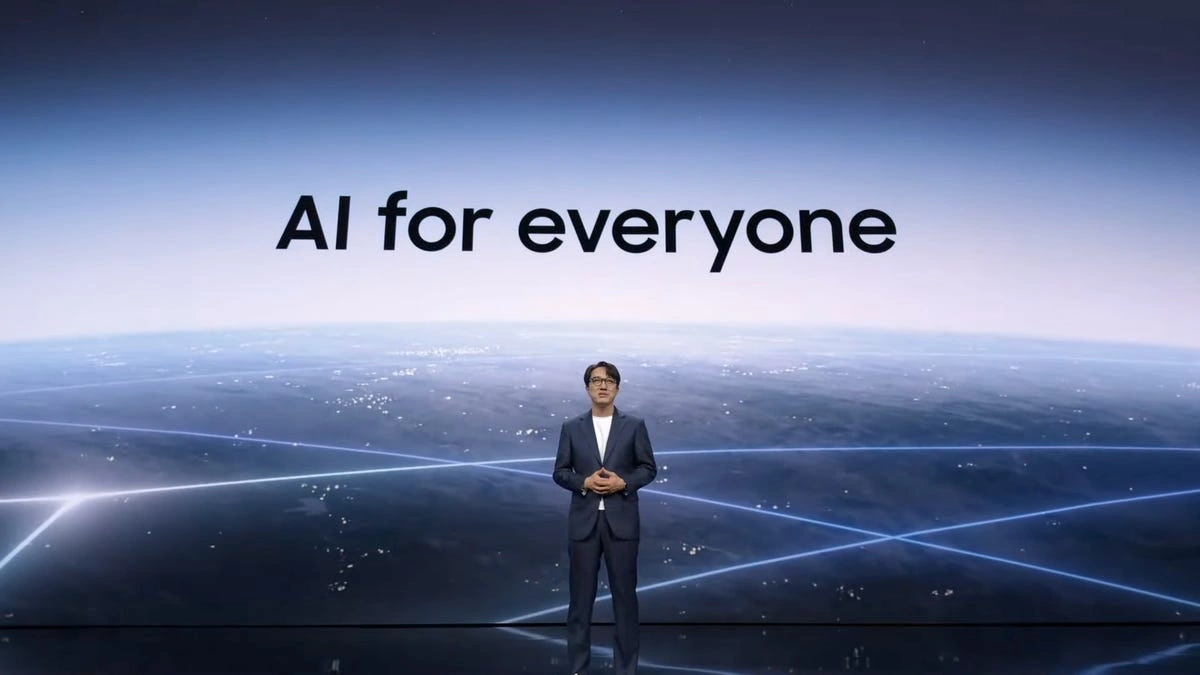
Samsung's recent Unpacked event unveiled the highly anticipated Galaxy S26 models and the Galaxy Buds 4 Pro, yet the hardware was arguably overshadowed by a relentless push for artificial intelligence. While the tech giant positions its expanded Galaxy AI suite as the ultimate tool for convenience, the sheer depth of this integration is raising valid concerns about the erosion of human agency in daily tasks. For many users, the promise of automation is beginning to feel less like a helping hand and more like a forced takeover of the smartphone experience.
The Social Cost of Automated Convenience
The new Galaxy AI updates introduce features designed to streamline interactions, such as an upgraded Circle to Search that identifies purchasable items from images and a browser equipped with an 'Ask AI' tool. However, this drive for efficiency may come at a social cost. Tasks that traditionally involve human connectionsuch as collaborating with family on a complex food order or researching vacation spotsare being offloaded to bots. By automating these shared experiences, users risk losing the small but significant moments of connection, laughter, and discovery that occur during manual digital chores.
'Now Nudge' and the Loss of Control
One of the most significant additions to the ecosystem is the 'Now Nudge' feature. This tool actively monitors user activity on the device to suggest shortcuts, aiming to eliminate the need to switch between apps. For instance, if a user intends to share photos from an event, Galaxy AI can automatically populate a message with the relevant images.
While efficient, this feature strips away the nostalgic process of manually curating memories. Scrolling through a gallery to select the best angles or relive moments from a wedding is a personal experience that an algorithm cannot replicate with the same emotional weight. Furthermore, for creative professionals and editors, Galaxy AI's ability to select, summarize, and reformat text often misses the nuance of the user's unique voice, leading to generic outputs that lack personality.
Privacy in the Age of Deep Integration
Samsung has addressed security concerns by citing its Knox Matrix Trust Chain technology, which is designed to secure data across platforms. The company states that users will have control over what Galaxy AI data is processed. Despite these assurances, the deep integration of AI into every facet of the phonefrom document scanning to the new briefing features on the Galaxy Buds 4 Procreates a perception of inescapable surveillance.
With cyber threats evolving alongside AI advancements, the centralization of personal data within these AI models presents a potential privacy risk. The fear is not just about data security, but about the sheer scope of information the device now requires to function as intended, leaving some users longing for a simpler, less connected era of technology.
My Take
The launch of the Galaxy S26 marks a pivotal moment where we must ask if we are optimizing the joy out of our lives. While tools like 'Now Nudge' are technically impressive, Samsung risks alienating users who view their phone as a tool, not a manager. The industry needs to pivot from 'AI everywhere' to 'AI on demand.' If manufacturers continue to force automation on tasks we actually enjoy, we might see a consumer retreat toward 'dumb' phones or devices that prioritize privacy and manual control over algorithmic interference.
