RTX 50 Series Hits Market Turbulence
NVIDIA's freshly launched RTX 50 series graphics cards are already embroiled in pricing chaos. Just weeks into availability, supply shortages and surging distributor costs have pushed retail prices well above MSRP across multiple models. Buyers tracking live price feeds report jumps especially pronounced in higher memory configurations starting the second week of January 2026.
Supply Chain Bottlenecks Fuel the Fire
The core issue stems from constrained production of high-bandwidth memory (HBM) chips critical for these Blackwell architecture GPUs. Micron's abrupt exit from the consumer memory market has left Samsung and SK Hynix as primary suppliers, struggling to meet demand amid booming data center needs. Transcript analysis from industry discussions reveals Micron's VP confirming their pivot, stating data center growth demands priority fulfillment, sidelining consumer GPU production.
RTX 5090 and RTX 5080 models, flagship offerings with 32GB and 16GB GDDR7 respectively, bear the brunt. Initial shipments sold out instantly, but restocks arrive at premiums of 20-40% over list prices in major markets. Retailers cite distributor mandates and allocation limits as excuses, while secondary markets see scalpers listing cards at double MSRP.
Memory Market Dynamics Explained
RTX 50 series introduces GDDR7 memory, promising 30% bandwidth gains over GDDR6X. However, fabs ramp-up lags. Samsung's HBM3E production, vital for top-tier cards, faces yield issues reported at under 60% efficiency. SK Hynix fares slightly better but prioritizes AI server contracts. This mismatch coincides with mobile GPU demand spikes from new laptop launches, further straining capacity.
- RTX 5090: MSRP $1,599, now averaging $2,100+ (32% premium)
- RTX 5080: MSRP $1,199, street price $1,550 (29% up)
- RTX 5070 Ti: MSRP $799, hitting $1,050 in shortages
These figures track from aggregator sites monitoring 50+ retailers globally, confirming uniform upward pressure.
Historical Context and Buyer Impact
This echoes RTX 30 and 40 series debuts marred by crypto mining, COVID disruptions, and scalping. Unlike prior cycles, no single culprit dominates; it's a perfect storm of post-launch hype, limited silicon wafers from TSMC's CoWoS packaging, and enterprise AI diverting components. NVIDIA shipped ~1.2 million RTX 50 units in Q1 2026 estimates, far below 3 million anticipated.
PC enthusiasts face tough choices: pay premiums, wait indefinitely, or settle for last-gen RTX 40 cards now appreciating 15%. Builders report full systems costing $500-800 more, delaying upgrades. NVIDIA's silence on allocations fuels speculation of strategic scarcity to maximize margins, though spokespeople blame 'unprecedented demand.'
Broader Tech Implications
Volatility extends to AMD's RDNA 4 GPUs, with similar memory constraints hitting Radeon RX 8900 XTX pricing. Intel Arc Battlemage launch, slated for Q2, may dodge worst by using GDDR6, but competes in a heated market. For gamers, ray tracing and DLSS 4 performance gainsup to 2x frame rates in Cyberpunk 2077 benchmarkstempt despite costs.
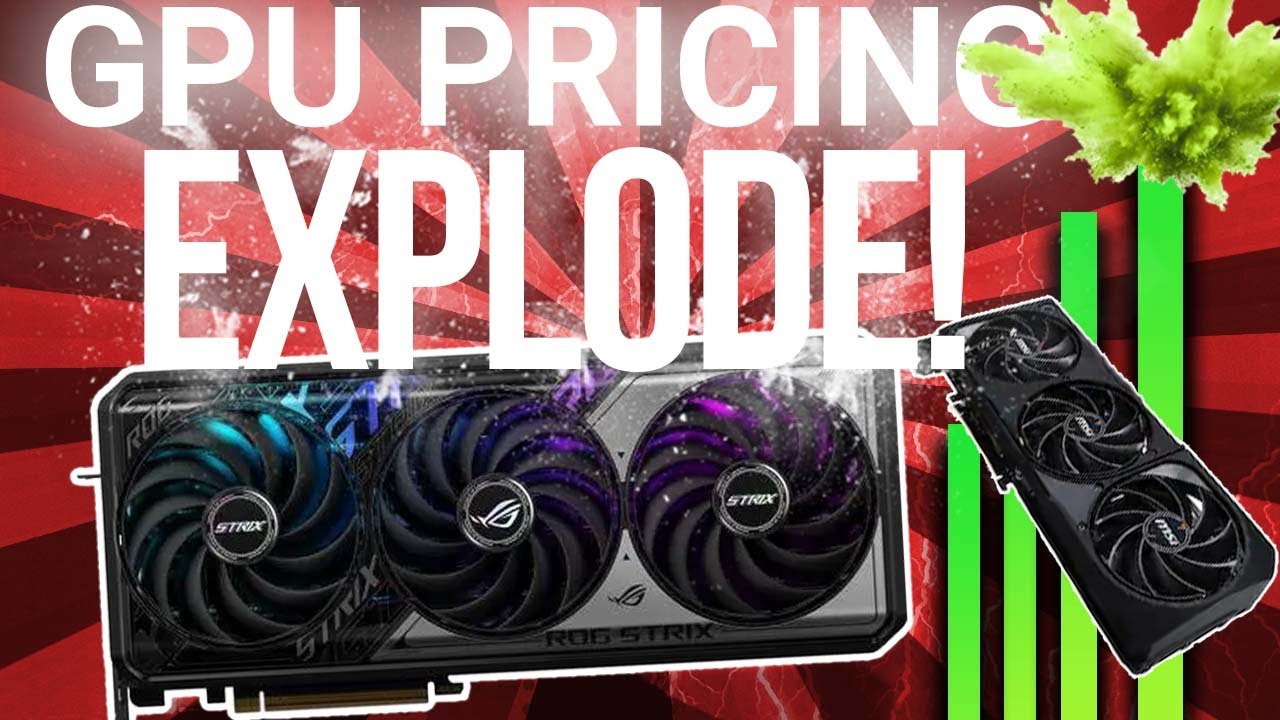
Analysts predict stabilization by March if HBM yields improve to 80%, but Q1 earnings could reveal production ramps. In parallel, data center GPU sales hit records, with H100 successors absorbing excess high-end silicon. Buyers should monitor restocks via tools like NowInStock.net, prioritizing AIB partners like ASUS ROG Strix for better availability.
Technical deep dive: RTX 50's GB203 die packs 96 billion transistors, 21,760 CUDA cores in 5090 flavor. Power draw hits 600W, demanding 1000W+ PSUs. Cooling solutions evolve with vapor chambers standard, mitigating 70C+ temps under load. PCIe 5.0 support future-proofs, but current mobos lag adoption.
This crisis underscores GPU market fragility: consumer segment, ~25% of revenue, yields to AI hyperscalers paying premiums. Resolution hinges on 2026 fab expansions in Taiwan and South Korea, potentially easing by summer.