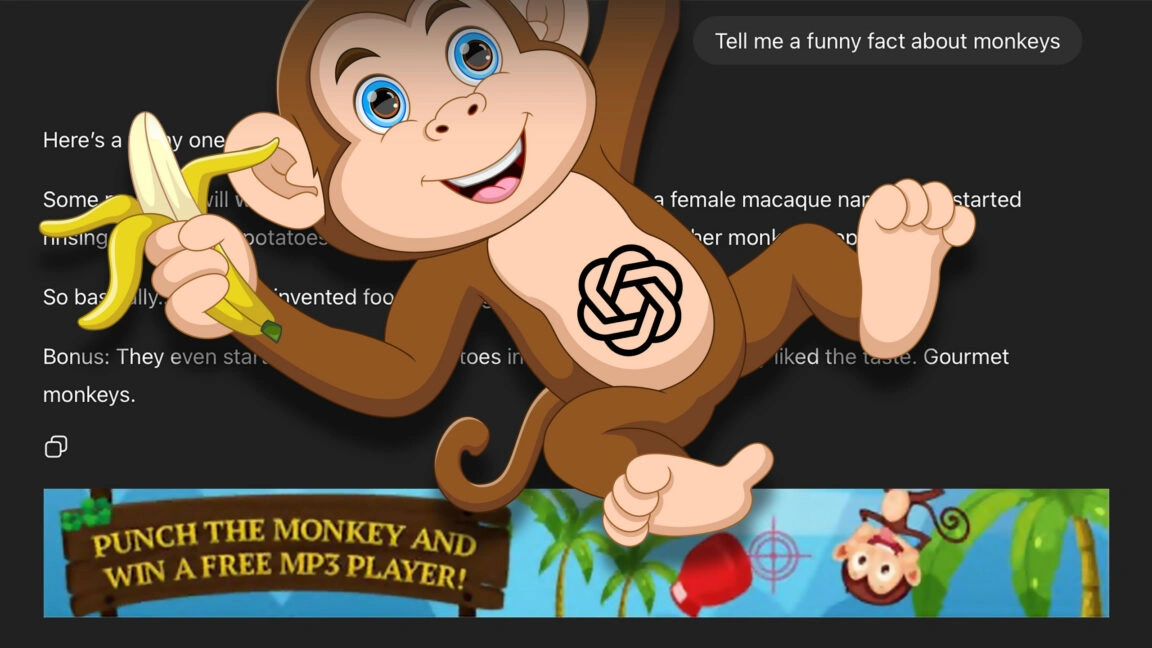
Researcher Resignation Signals Internal Dissent
Zoë Hitzig, an OpenAI researcher, resigned on the day the company began testing advertisements in ChatGPT, warning that the move risks turning the AI into a manipulative tool akin to Facebook. Her departure highlights growing tensions within OpenAI as it balances revenue needs with user trust.
OpenAI launched the ad tests on February 9, 2026, for logged-in U.S. users on free and basic 'Go' plans. Ads appear below responses, clearly labeled as sponsored, and are tailored based on current chat topics, user location, and languagebut not past conversations or personal data shared with advertisers.
Ad Rollout Details and User Options
Paid tiers like Plus, Pro, Business, Enterprise, and Education remain ad-free. Free users can opt out of ads but face limits on daily messages, image generation, and deep research. OpenAI excludes ads near sensitive topics such as health, mental health, politics, dating, financial services, or for users under 18.
- Ads match context, e.g., recipe chats may show grocery delivery promotions.
- Users control personalization, view ad history, delete data, and provide feedback.
- Advertisers get aggregate performance metrics only, no user data.
Target is testing contextual ads via its Roundel platform, emphasizing no influence on ChatGPT responses.
Competitor Backlash and Industry Context
Anthropic, a key rival, aired Super Bowl ads on February 8, 2026, mocking AI ads with depictions of disruptive, poorly targeted promotions. OpenAI CEO Sam Altman called the spots 'dishonest' and labeled Anthropic 'authoritarian.'
This occurs amid competition from Google's Gemini and Anthropic's Claude, as OpenAI eyes a 2026 IPO. Since ChatGPT's 2022 launch, it avoided traditional ads, but investor pressure for monetization mounts.
Why This Matters
Ads introduce profit incentives into AI responses, potentially biasing recommendations users rely on for purchases, advice, or decisions. Even if labeled, subtle influences in conversational AI differ from website banners, complicating transparency. Hitzig argued advertising on conversation archives could manipulate users in undetected ways.
Privacy advocates worry about profiling from chat analysis, despite OpenAI's guarantees. Critics invoke 'enshittification,' where platforms degrade post-scale for revenue.
Realistic Scenario: A User's Shopping Query
Imagine a user asks ChatGPT for laptop recommendations. The response lists options neutrally, but below it, a targeted ad for a specific brand appears based on the query. The user clicks, buys, unaware if the AI's phrasing subtly favored that brand due to ad revenue pressures. Over time, repeated exposures could sway habits, eroding trust in AI as an impartial advisor.
Forward-Looking Implications
Regulators may need new rules for AI ads, blending digital advertising and AI governance for disclosure in chat interfaces. OpenAI's model could normalize ads across AI tools, pressuring ad-free rivals and reshaping industry ethics. Success might fund advanced features; failure could accelerate user exodus to privacy-focused alternatives, influencing AI's role in daily life.
For the humans behind the tech, like Hitzig, this underscores personal stakes: researchers weigh mission integrity against corporate shifts, reminding us that AI's future hinges on those building it.
This article was written by AI from reporting by arstechnica.com.