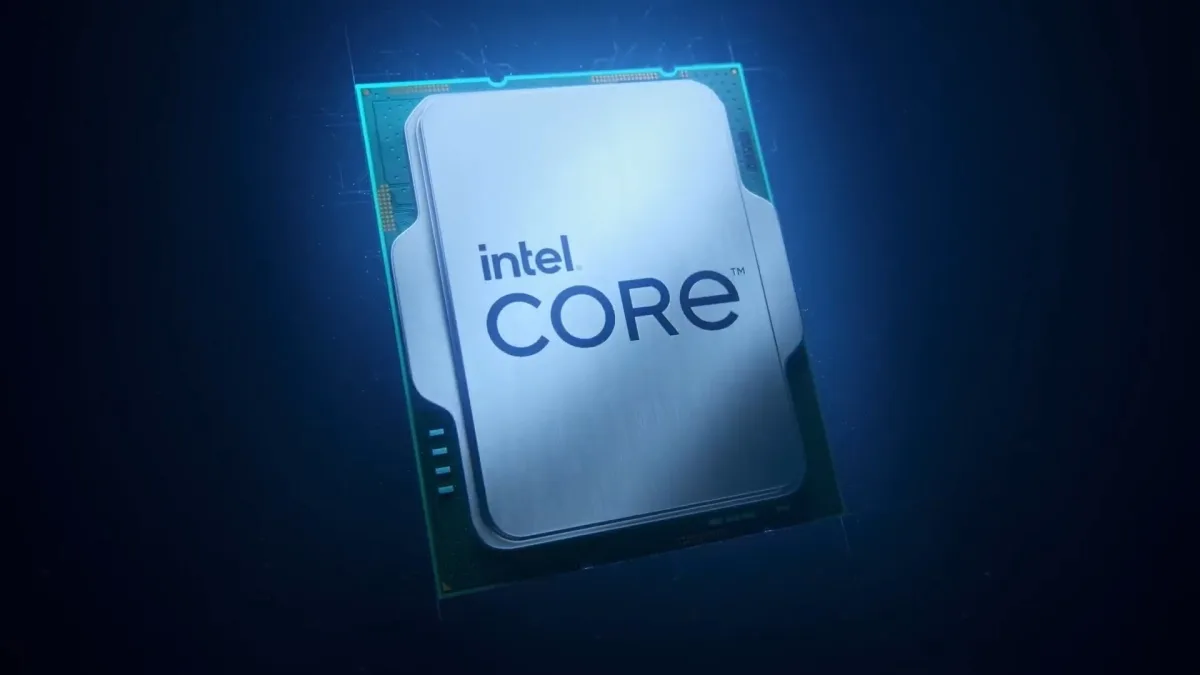
The absolute thermal limits of silicon have been shattered once again as the Intel Core i9-14900KF just claimed the global overclocking crown by breaching the 9.2 GHz barrier. Chinese hardware enthusiast "wytiwx" successfully pushed the Raptor Lake Refresh processor to an astonishing 9206.34 MHz. This massive achievement has been officially validated on the HWBOT ranking platform, cementing its place as the highest CPU frequency ever recorded.
This new milestone dethrones the previous world record of 9117.75 MHz, which was held by renowned overclocker Elmor using a specially binned Core i9-14900KS. Beating the record by 88.59 MHz represents a nearly one percent increase - a monumental leap in the extreme overclocking scene where victories are typically measured in single-digit megahertz increments.
The Anatomy of a 9.2 GHz Overclock
Achieving this extreme frequency required a radical departure from traditional daily-driver configurations. Under normal conditions, the 24-core, 32-thread Intel Core i9-14900KF boosts up to 6.00 GHz. To push past 9.20 GHz, the system was heavily restricted to maintain maximum stability under immense electrical load.
System validation data reveals that the processor operated with an 89x multiplier and a base clock of 103.44 MHz, with the voltage locked at 1.348V. Crucially, the overclocker disabled the vast majority of the chip's architecture. The rig ran with only seven cores and seven threads active, and only a single primary performance core was pushed to the absolute frequency limit, while the remaining active cores operated at significantly lower speeds.
The Record-Breaking Hardware Rig
The secret weapon behind this achievement was the cooling method. Instead of relying on standard liquid nitrogen, which boils at roughly -196 ºC, the overclocker utilized liquid helium. This allows the silicon to reach significantly colder cryogenic temperatures, a mandatory requirement in laboratory-grade competitive overclocking to extract the absolute maximum performance from the chip.
The complete hardware configuration used to secure the HWBOT world record includes:
- Processor: Intel Core i9-14900KF (running 7 cores / 7 threads).
- Motherboard: ASUS ROG Maximus Z790 Apex (a dominant choice for LGA1700 extreme overclocking).
- Memory: 16 GB DDR5 running at 5792 MHz with CL32 latencies.
- Power Supply: ASUS ROG Thor Gaming 1600W (to handle extreme instantaneous power spikes).
- Cooling: Liquid Helium cryogenic cooling loop.
The Helium Era of Extreme Overclocking
This 9.2 GHz milestone highlights a fascinating shift in the extreme overclocking community: liquid nitrogen is no longer cold enough to break world records. As modern architectures like Raptor Lake Refresh become increasingly dense and power-hungry, the thermal density of a single core pushed past 9 GHz requires the extreme cryogenic properties of liquid helium to prevent instant silicon degradation.
Furthermore, this record proves that the "KF" variant - which lacks integrated graphics - can occasionally outpace the highly binned "KS" silicon lottery winners in extreme edge cases. By removing the integrated GPU, the chip potentially offers slightly better thermal distribution and fewer points of failure when subjected to sub-zero temperatures. As we look toward next-generation architectures, the 10 GHz barrier seems closer than ever, but it will likely require entirely new cryogenic delivery methods to achieve.
This article was written by AI from reporting by videocardz.com.