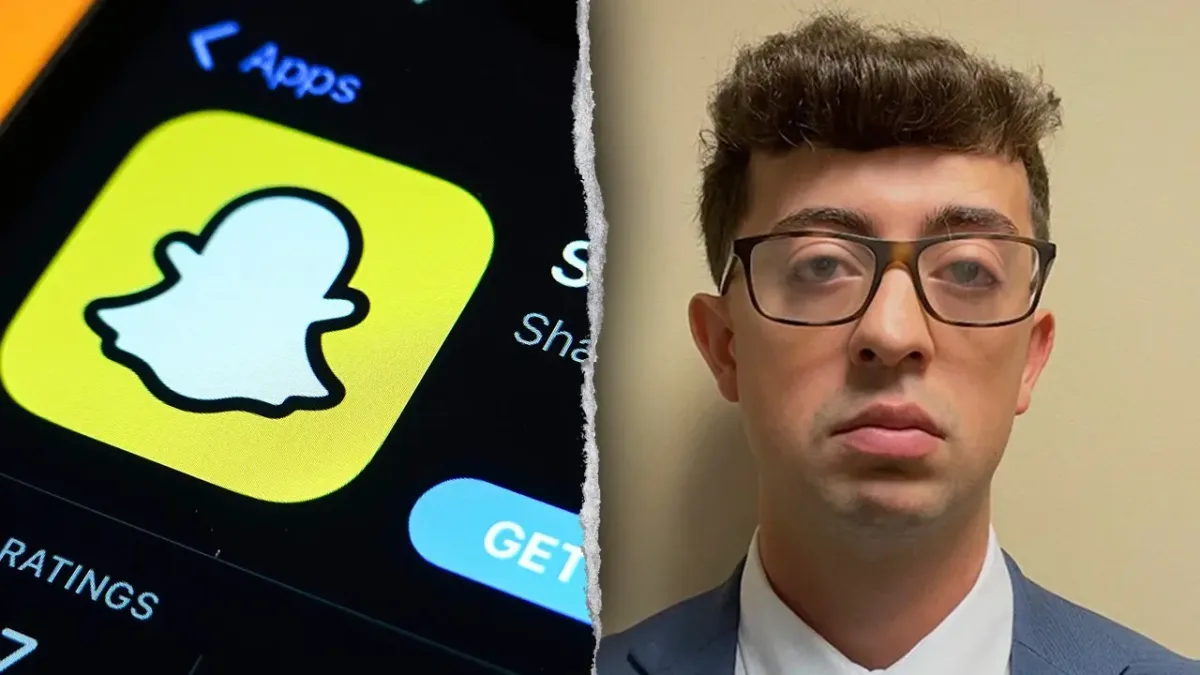
The illusion of secure digital anonymity on platforms like Snapchat has been shattered following a massive drug bust at Penn State University. Law enforcement agencies have successfully pierced the veil of ephemeral messaging, using digital forensics to dismantle a sophisticated fraternity cocaine ring that relied on social media and fintech apps to conduct illicit business.
The investigation resulted in felony narcotics charges against at least 13 individuals, including 24-year-old alleged ringleader Agostino Abbatiello. Court complaints reveal that the network utilized Cash App for massive digital payments and Snapchat to coordinate the purchasing, packaging, and distribution of narcotics.
The Digital Mechanics of the Operation
Rather than operating in the shadows, the syndicate functioned openly through smartphones. The criminal complaints detail how Abbatiello received staggering digital payments, including a single $30,000 Cash App transfer from an associate for a bulk supply of cocaine. Another transaction involved Thomas Michael Robinson and Mohammed Huraibi pooling resources to buy 100 grams of cocaine for $4,000, with a person identified as Delta Upilson facilitating the physical handoff.
Robinson allegedly operated under the Snapchat handle "Tommy Robinson," using the platform as a digital storefront. Huraibi's grand jury testimony confirmed that his initial purchase from Abbatiello in the Fall of 2023 was arranged entirely through a simple Snapchat message, which eventually spiraled into a full-blown trafficking conspiracy.
Piercing the Veil of Ephemeral Messaging
The use of Snapchat highlights a critical misunderstanding of modern digital privacy. The defendants allegedly used the app to facilitate deliveries under the false assumption that its famous disappearing messages equated to legal immunity. However, armed with grand jury subpoenas and forensic analysis, law enforcement easily recovered the supposedly deleted communications.
Investigators reconstructed transactional data, saved images, and chat logs that laid the groundwork for the comprehensive charges. The digital footprints left behind by these electronic interactions transformed casual smartphone swipes into undeniable forensic evidence, proving that impermanence on the user interface does not mean the data is erased from servers or device storage.
Why "Disappearing" Messages Leave a Trace
For users relying on ephemeral messaging apps for privacy, it is crucial to understand how digital footprints are preserved during forensic investigations:
- Server-Side Retention: Platforms often retain metadata and message logs on their servers for a specific period, which can be accessed via legal subpoenas.
- Device Forensics: Even if a message disappears from the app interface, fragments of the data, cached images, and application logs can be extracted directly from the smartphone's physical storage.
- Third-Party Screenshots: The recipient can always screenshot, record, or save communications before they expire, creating a permanent record outside the sender's control.
- Financial Linkage: Pairing anonymous chats with highly trackable fintech platforms like Cash App creates a definitive paper trail that links digital handles to real-world bank accounts.
The Digital Footprint Trap
The Penn State investigation is a stark reminder that the tech industry's marketing of "privacy" often lulls users into a false sense of security. While Snapchat's ephemeral design is excellent for casual social interactions, it was never engineered to withstand federal forensic scrutiny. The fact that a $30,000 illicit transaction was processed through Cash App - a platform bound by strict financial regulations and identity verification - demonstrates a shocking digital naivety.
Moving forward, this case will likely serve as a blueprint for law enforcement agencies tackling modern, decentralized criminal networks. It proves that the very tools designed to sanitize or obscure behavior are actually creating the most meticulous, indestructible evidence trails in the history of criminal prosecution.
This article was written by AI from reporting by uctoday.com.