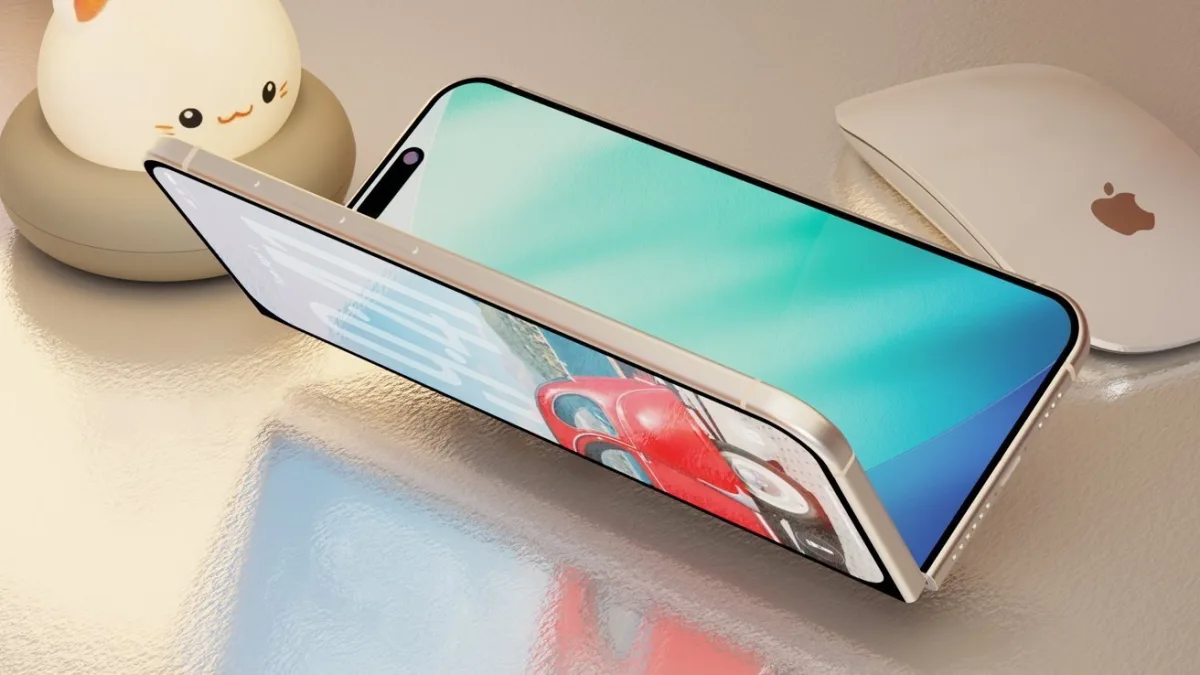
Apple's highly anticipated entry into the foldable market is finally taking shape, and early hands-on impressions suggest the upcoming iPhone Ultra might actually justify its rumored $2,000 price tag. For users tired of fragile folding screens and compromised software, Apple's approach reportedly focuses on a durable hinge and iPad-like multitasking, though it comes with some surprising hardware trade-offs.
According to Mark Gurman's latest Power On newsletter for Bloomberg, individuals who have tested pre-release versions of the foldable iPhone Ultra report a highly refined experience. Despite being noticeably thick when folded shut, the device remains pocketable. Testers specifically highlighted the hinge mechanism, noting that it feels exceptionally durable compared to early iterations of competing foldables. Once opened, the massive internal display leverages iPad-like app layouts, transforming the smartphone into a genuine productivity tablet.
However, the hyper-premium device will omit some features standard on current Pro models. The iPhone Ultra reportedly lacks a dedicated telephoto camera, a surprising omission for a device expected to cost at least $2,000. Despite this, early users claim the device excels as a camera viewfinder, utilizing the folding form factor for unique shooting angles. In a major shift for Apple's flagship lineup, the foldable will also abandon Face ID, reverting to Touch ID for biometric security.
How the iPhone Ultra Will Reshape the Foldable Market
While Apple is arriving late to the foldable segment currently dominated by rivals like Samsung, the launch is expected to create a massive halo effect. The sheer marketing power behind the iPhone Ultra will likely raise mainstream consumer awareness for the entire foldable category. Even if everyday buyers balk at the $2,000 entry price, the excitement surrounding the outlandish design is expected to drive sales across the rest of the traditional iPhone 17 lineup launching alongside it.
The Touch ID Reversal is a Calculated Design Compromise
The decision to drop Face ID in favor of Touch ID on the iPhone Ultra is the most telling detail of Apple's engineering priorities. Integrating the complex TrueDepth camera system beneath a flexible OLED panel - or housing it in a bulky notch on a foldable screen - likely compromised the device's durability or aesthetic. By reverting to Touch ID, potentially integrated into the power button like the iPad Air, Apple avoids the under-display camera quality issues that have plagued competitors.
Furthermore, the lack of a telephoto lens suggests Apple is battling severe internal space constraints. The engineering team is clearly prioritizing battery capacity and hinge integrity over a complete camera array. This $2,000 device isn't meant to be the ultimate camera phone; it is a first-generation status symbol designed to test the waters of a post-slab smartphone era, prioritizing a flawless folding experience over raw spec-sheet dominance.
This article was written by AI from reporting by appleinsider.com.