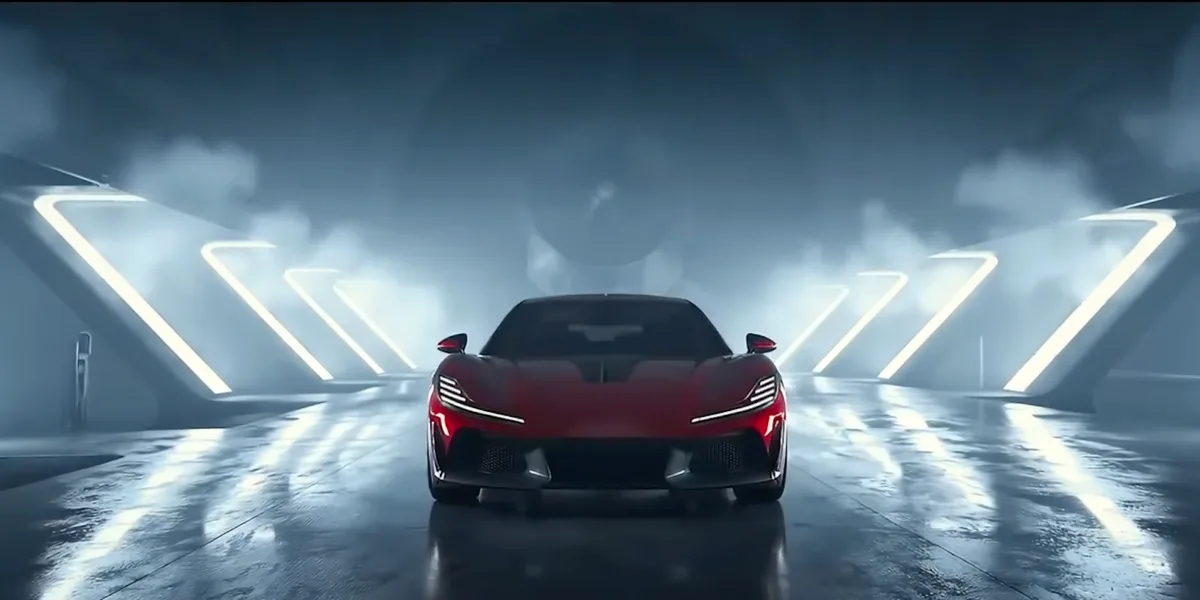
The Dreame Nebula Next 01 Jet Edition shatters the conventional limits of electric vehicle acceleration by bolting two solid-fuel rocket boosters directly to its chassis. For automotive enthusiasts tired of standard EV performance metrics, this radical concept promises a mind-bending zero-to-60 mph sprint in just 0.9 seconds. Dreame, a Chinese technology company traditionally known for manufacturing robotic vacuum cleaners, is making an aggressive and highly publicized entry into the automotive sector with this reveal.
The concept echoes the dangerous, thrill-seeking spirit of the 1960s aftermarket company Turbonique. That historical brand famously built rocket-propelled superchargers and go-karts before folding due to the extreme volatility of solid rocket fuel. Today, mankind's fascination with rocket-powered cars has resurfaced in San Francisco, where this new Chinese EV concept was recently showcased to the public.
Engineering the Dreame Nebula Next 01 Jet Edition
Before the addition of aerospace-grade thrust, the base concept car was already pushing the boundaries of street-legal performance. The standard Next 01 utilizes four electric drive motors to generate a staggering 1,876 horsepower. This quad-motor setup allows the base electric hypercar to achieve a zero-to-62 mph time of just 1.8 seconds.
To push those numbers into the realm of the absurd, Dreame engineers integrated two solid-fuel boosters capable of unleashing 22,500 pounds of thrust. However, this rocket-powered EV concept introduces severe practical limitations. Solid-fuel rockets cannot be partially throttled; once ignited, they deliver a single, explosive burst of acceleration that cannot be interrupted without catastrophic consequences.
Next-Gen Lidar and Autonomous Capabilities
Beyond the headline-grabbing rocket boosters, the vehicle serves as a testbed for highly practical automotive technology. Dreame has integrated a next-generation lidar system into the hypercar's architecture. This advanced sensor suite features a full-color capture range in high definition.
The resulting high-resolution data collection is designed to significantly enhance driver-assist systems. By improving environmental mapping, this technology paves the way for more reliable autonomous driving capabilities in future production models. Bizarrely, it is a rocket-powered hypercar that might just be providing improved future safety systems for everyday drivers.
The Reality of Rocket-Powered Stunts
While the Dreame Nebula Next 01 Jet Edition commands immediate attention, its rocket-propelled configuration is strictly a promotional stunt rather than a viable production pathway. Regulatory agencies will never approve a road-legal vehicle that emits a destructive jet blast capable of melting trailing traffic. Furthermore, the inability to control the throttle of a solid-fuel booster makes it entirely impractical outside of specialized environments like the Bonneville Salt Flats.
However, the underlying 1,876-horsepower electric architecture and the high-definition lidar system demonstrate serious engineering intent. Dreame is using the shock value of a 0.9-second sprint to force the automotive industry to take its transition from home appliances to high-performance EVs seriously. The rockets may be temporary, but the brand's ambition to disrupt the electric hypercar market is clearly permanent.